Tags : Recovery

Thymosin Alpha-1 – immunity on steroids

Thymosin Alpha 1 (Tα1) is a naturally occurring peptide that plays a central role in immune regulation and cellular defense. Originally isolated from thymus tissue, it has since been studied extensively for its ability to strengthen immune function, modulate inflammation, and support recovery in both medical and performance settings. In recent years, it has gained […]Read More

Performance post-cycle: how to train and live through the crash

Coming off a cycle of performance-enhancing drugs (PEDs) can feel like slamming the brakes hard after speeding downhill. Strength goes away, pumps disappear, and recovery just takes forever. This post-cycle crash is both physiological and psychological, and it can very quickly mess with months of progress if not handled correctly. The key isn’t to chase […]Read More

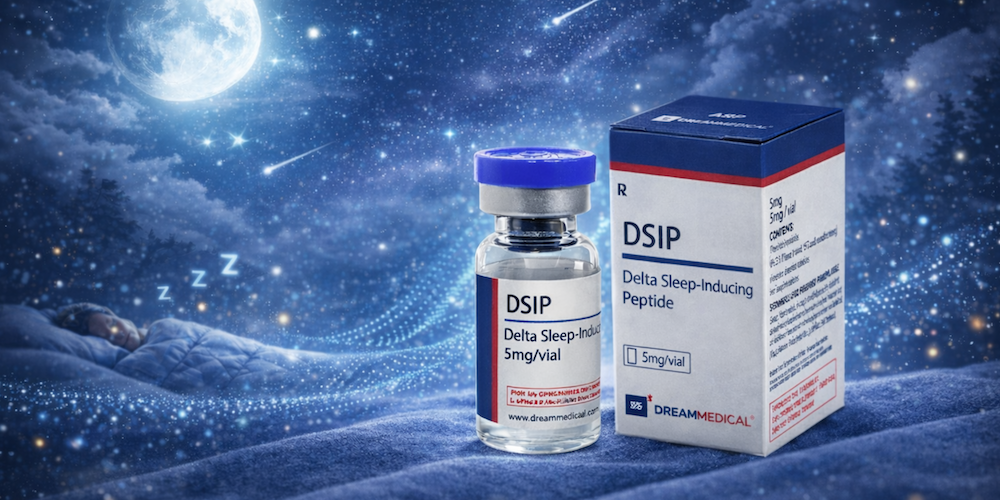
DSIP – the sleep peptide

Delta Sleep-Inducing Peptide, commonly known as DSIP, is a naturally occurring neuropeptide associated with deep sleep regulation, stress modulation, and nervous system balance. Originally isolated in the 1970s, DSIP gained attention for its ability to influence slow-wave sleep, the most restorative phase of the sleep cycle. While research is still evolving, DSIP has become popular […]Read More

CJC-1295 – HGH on a budget

CJC-1295 is one of the most well-known growth hormone releasing peptides, used to naturally elevate growth hormone (GH) and IGF-1 levels without shutting down the body’s hormonal systems the way exogenous GH can. It improves recovery, sleep quality, tissue repair, body composition, and overall vitality. CJC-1295 comes in two forms, with and without DAC, each […]Read More

Cardio and gear: conditioning without killing the gains

Some people look at cardio as the enemy of gains, especially when on cycle. The fear? That too much conditioning and energy expenditure from cardio will eat muscle, mess with recovery and ruin your hard-earned progress. But the truth is, cardio done right doesn’t kill gains, it protects them and allows you to work harder, […]Read More

GLOW Blend – the ultimate healing tool

The GLOW blend is one of the most comprehensive regenerative peptide combinations available today. It brings together three of the most powerful healing peptides, BPC-157, TB-500, and GHK-Cu, into a single synergistic formula designed to accelerate recovery, repair connective tissue, reduce inflammation, rejuvenate the skin, and support overall regenerative health. Each peptide targets different aspects […]Read More

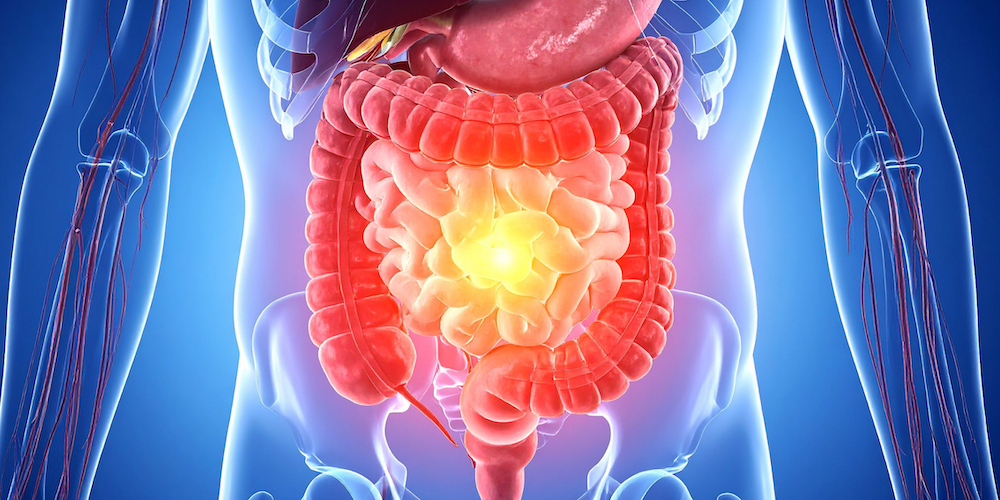
KPV – a new healing peptide

KPV is a short but highly potent peptide best known for its strong anti-inflammatory and immune-modulating effects. Unlike peptides designed for growth, fat loss, or performance, KPV targets chronic inflammation at its source, making it especially valuable for gut health, skin conditions, autoimmune tendencies, and systemic inflammatory stress. Because inflammation sits at the root of […]Read More

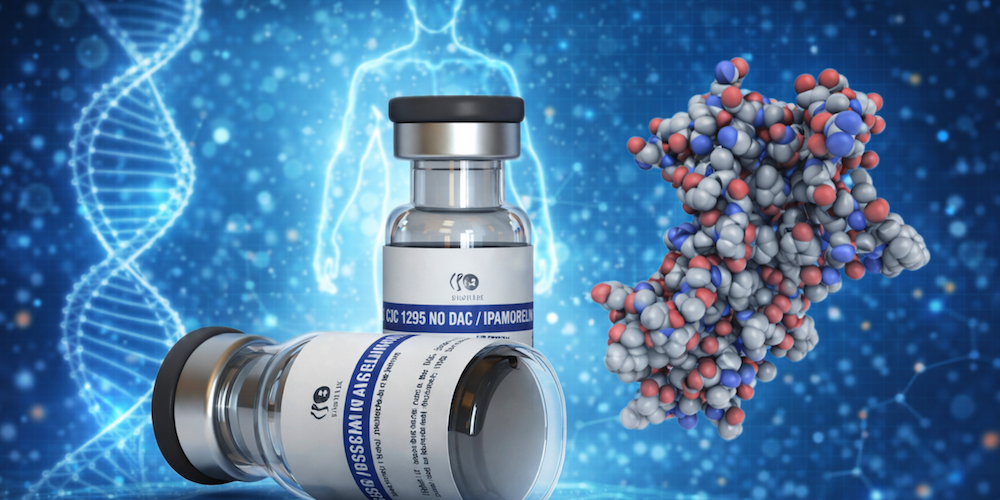
CJC-1295 / Ipamorelin – the gold-standard GH-peptide stack

The CJC-1295 and Ipamorelin stack is widely regarded as the most effective and physiologically aligned way to increase natural growth hormone output without using exogenous GH. By combining two peptides that act on different parts of the growth hormone axis, this stack amplifies GH release while preserving the body’s normal feedback mechanisms. For athletes, biohackers, […]Read More

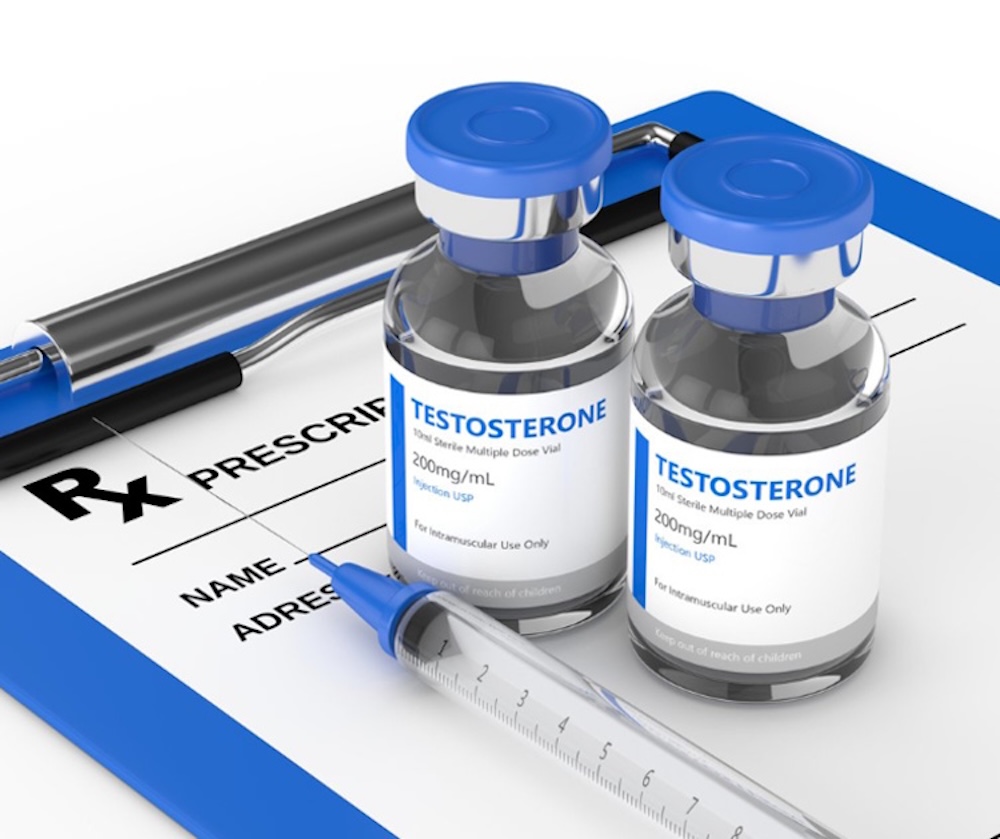
When Testosterone becomes the problem

Testosterone is generally treated as the safest variable in performance enhancement. If a cycle feels off, people blame everything except the test: estrogen, prolactin, sleep, stress, diet, training volume and the list goes on. The assumption is very simple: testosterone is the foundation, so increasing it won’t be an issue and will only bring more […]Read More

GHK-Cu – more than a beauty tool

GHK-Cu is one of the most remarkable bioactive peptides ever discovered, a naturally occurring copper complex found in human plasma, saliva, and urine that plays a major role in tissue repair, collagen synthesis, and overall cellular regeneration. Originally identified in the 1970s, it has since gained recognition in both medical and cosmetic fields for its […]Read More