

MOTS-c is one of the most promising discoveries in modern peptide science, a naturally occurring mitochondrial peptide that plays a major role in energy regulation, insulin sensitivity, and cellular stress adaptation. Unlike most hormones or peptides produced in the nucleus, MOTS-c is encoded directly within mitochondrial DNA, giving it a unique link to the cell’s […]Read More

Human Menopausal Gonadotropin (HMG) is a powerful injectable hormone used to restore and enhance natural testosterone production and sperm development. In both medical and performance contexts, HMG plays a unique role because it directly stimulates the testes rather than working indirectly through the brain. For individuals concerned with fertility, testicular atrophy, or full hormonal recovery […]Read More

At some point, most lifters arrive at the same conclusion: if one compound works, two must work better. If progress slows, add something. If it still feels flat, stack again. Over time, cycles become too crowded: more drugs, more toxicity, more variables, yet the results almost never scale the way people expect. What gets lost […]Read More

PT-141, also known as Bremelanotide, is one of the most unique peptides in modern enhancement medicine because it targets sexual desire and arousal directly through the central nervous system. Unlike medications such as sildenafil or tadalafil, which improve blood flow, PT-141 works on the brain pathways that govern libido. This makes it highly effective for […]Read More
NAD+ (nicotinamide adenine dinucleotide) is a molecule found in every living cell and is absolutely essential for life. It plays a central role in cellular energy production, DNA repair, metabolic regulation, and cell survival. Without adequate NAD+, mitochondria cannot efficiently produce ATP, enzymes involved in repair cannot function properly, and cells begin to age, malfunction, […]Read More
Retatrutide and Tirzepatide represent a major evolution in metabolic pharmacology. Both are synthetic peptide agonists designed to treat obesity and type 2 diabetes by targeting incretin biology, but they differ significantly in receptor profile, metabolic impact, and physiological consequences. Understanding their mechanistic differences is essential for evaluating their effects on fat loss, energy expenditure, glucose […]Read More

Before semaglutide, tirzepatide, and retatrutide took the world by storm, there was Liraglutide, the first GLP-1 receptor agonist to demonstrate that manipulating incretin hormones could dramatically improve weight loss, glucose control, and metabolic function. Marketed under the brand names Victoza and Saxenda, liraglutide paved the way for the next generation of GLP-based drugs that are […]Read More
Bioregulator peptides are a unique class of short peptides designed to normalize gene expression and restore tissue-specific function. Unlike traditional peptides that stimulate receptors or hormones, bioregulators work at the genetic and cellular level, entering the nucleus of cells and influencing how DNA is read and expressed. They are typically composed of 2–4 amino acids, […]Read More

Most lifters talk endlessly about training, food, sleep, testosterone and other steroids, but the real metabolic drivers of elite size are two peptide hormones: growth hormone (GH) and insulin. They don’t fight each other; they complement each other. GH sets the conditions for growth, and insulin determines where nutrients actually go. Together, they form the […]Read More
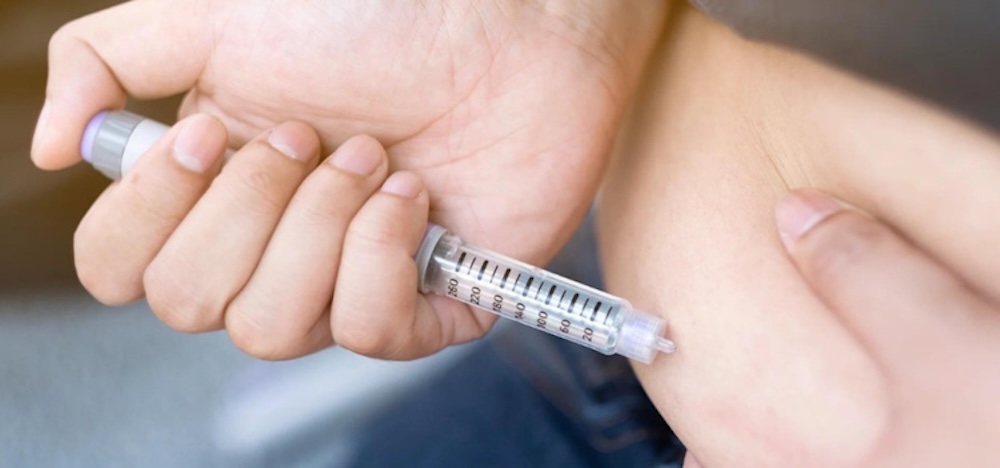
Pharmaceuticals once reserved for treating chronic diseases are increasingly finding their way into fitness conversations. With the likes of bodybuilders such as Nick Walker openly talking about using it in his current prep, the latest compound attracting attention is retatrutide, an experimental drug developed for obesity and type 2 diabetes management. While it’s not yet […]Read More