
Anabolic steroids are widely used for building muscle, improving strength, and accelerating recovery. While their benefits are well known, one of the less discussed risks is their impact on the immune system. Steroid use can weaken immune defenses, making athletes more vulnerable to infections, slower healing, and systemic health complications. Understanding how this happens and […]Read More
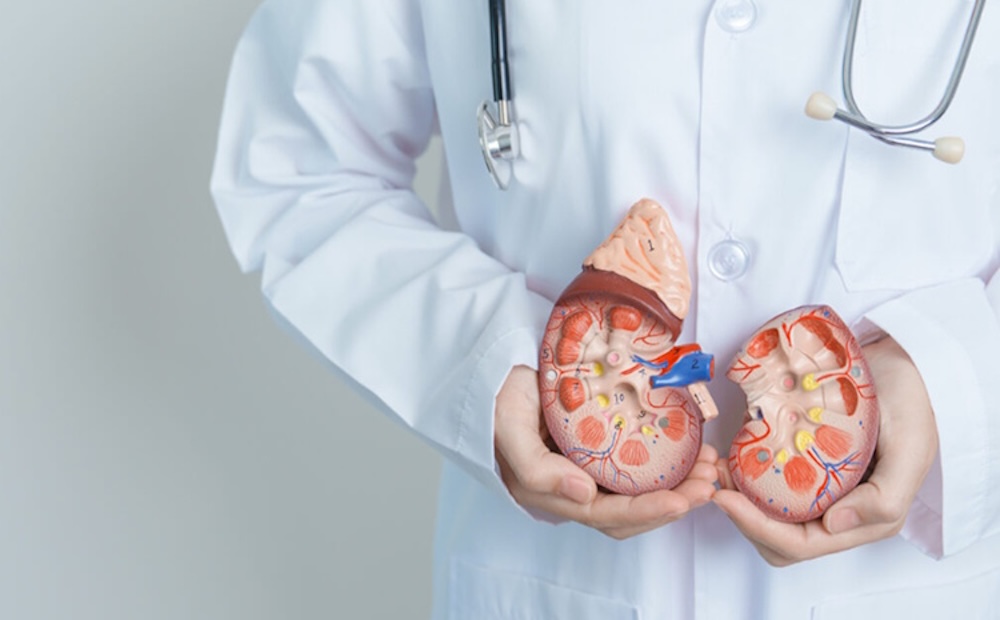
When lifters talk about health risks of PEDs, the conversation almost always revolves around the liver, heart, or natural hormone production. But there’s one critical organ that quietly takes massive damage in the background: the kidneys. Why the Kidneys Matter So Much for Enhanced Athletes Kidneys are extremely important for the body to function, even […]Read More
GLP-1 receptor agonists, once known only as diabetes medications, have transformed into some of the most effective drugs for obesity and metabolic health. Compounds like Semaglutide, Tirzepatide, and the newer triple agonist Retatrutide have shown unmatched benefits in fat loss, insulin sensitivity, and cardiovascular protection. Emerging evidence now suggests that these drugs may also carry […]Read More
Most lifters judge a cycle by two things: how much testosterone they’re taking and how high their bloodwork comes back. If total test is sky-high, the assumption is simple: the cycle should be crushing. When it doesn’t, confusion sets in. Training feels flat, pumps are not there. Libido is way off. Strength barely moves. People […]Read More
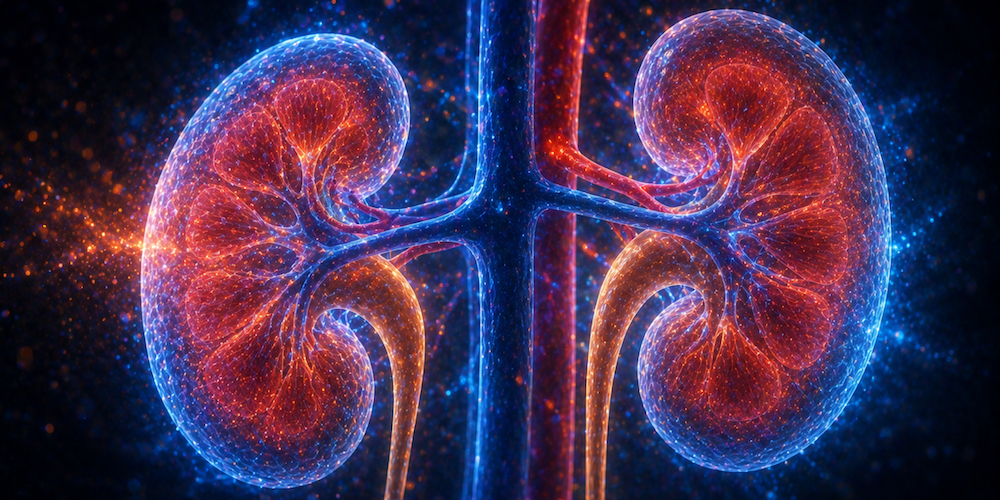
The kidneys are responsible for filtering waste products, regulating blood pressure, balancing electrolytes, and maintaining fluid balance. In enhanced bodybuilding, they are exposed to far more stress than most people realize. High bodyweight, elevated blood pressure, excessive food intake, dehydration, intense training, and certain compounds can all place significant strain on renal function over time. […]Read More
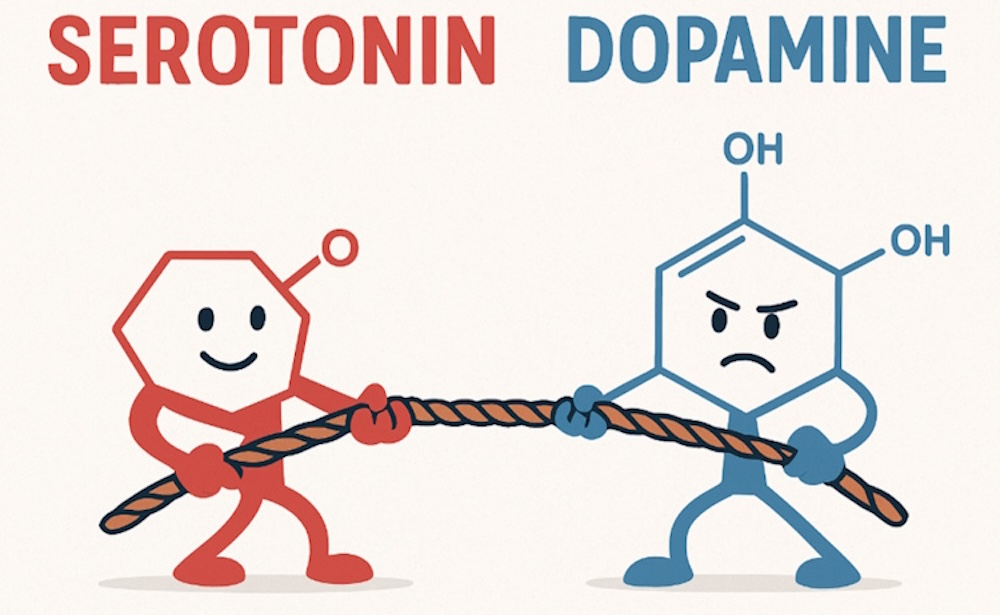
When people think of training, they usually think in terms of muscles, joints, and energy systems. But behind the scenes, two key neurotransmitters, serotonin and dopamine, are constantly shaping how you perform, recover, and even how much you enjoy training. Understanding their balance is crucial if you want to optimize both physical output and mental […]Read More
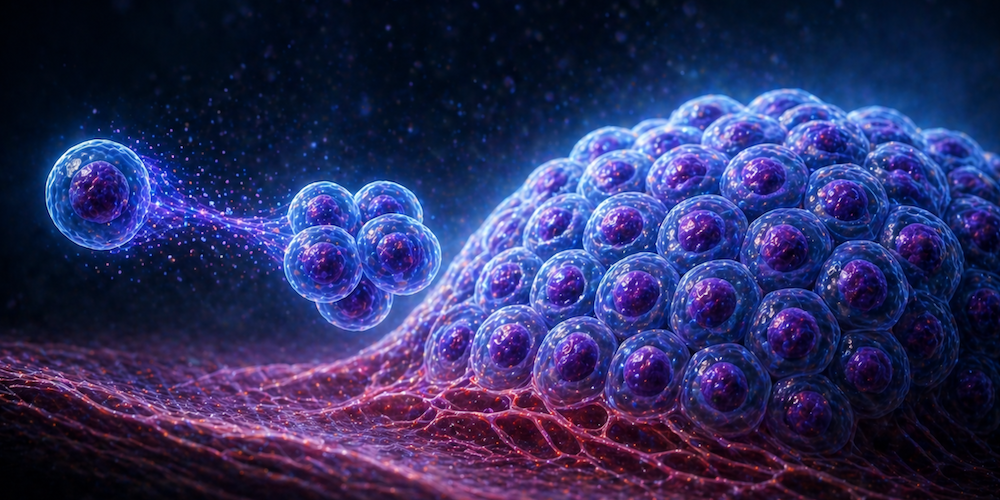
Hyperplasia refers to an increase in the number of muscle fibers, not just their size. This is different from hypertrophy, which is the enlargement of existing fibers. Most lifters build muscle primarily through hypertrophy, making fibers thicker and stronger. Hyperplasia, on the other hand, expands the total number of fibers, effectively increasing the muscle’s growth […]Read More
For a lot of lifters, training isn’t just about building muscle, it’s also about staying mentally healthy. The weights become therapy, the structure and discipline become routine, and the post-lift dopamine hit is the closest thing to peace. But somewhere along the line, what starts as medicine can quietly turn into dependency, not on drugs, […]Read More
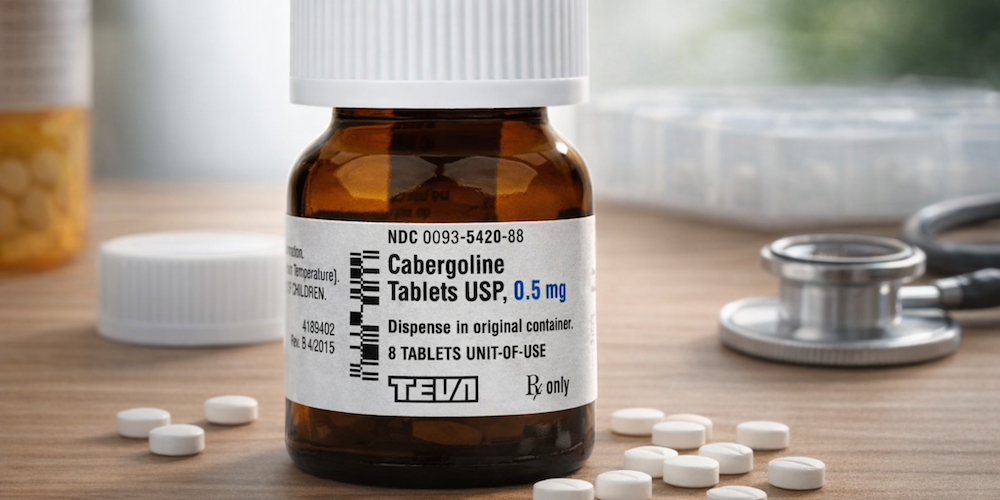
Cabergoline is a potent dopamine agonist primarily used to control elevated prolactin levels. In both medical and performance-focused contexts, it plays a critical role in restoring sexual function, improving mood and motivation, and correcting hormone imbalances driven by excess prolactin. Because prolactin interacts closely with dopamine, testosterone, and libido, cabergoline is often misunderstood or misused. […]Read More
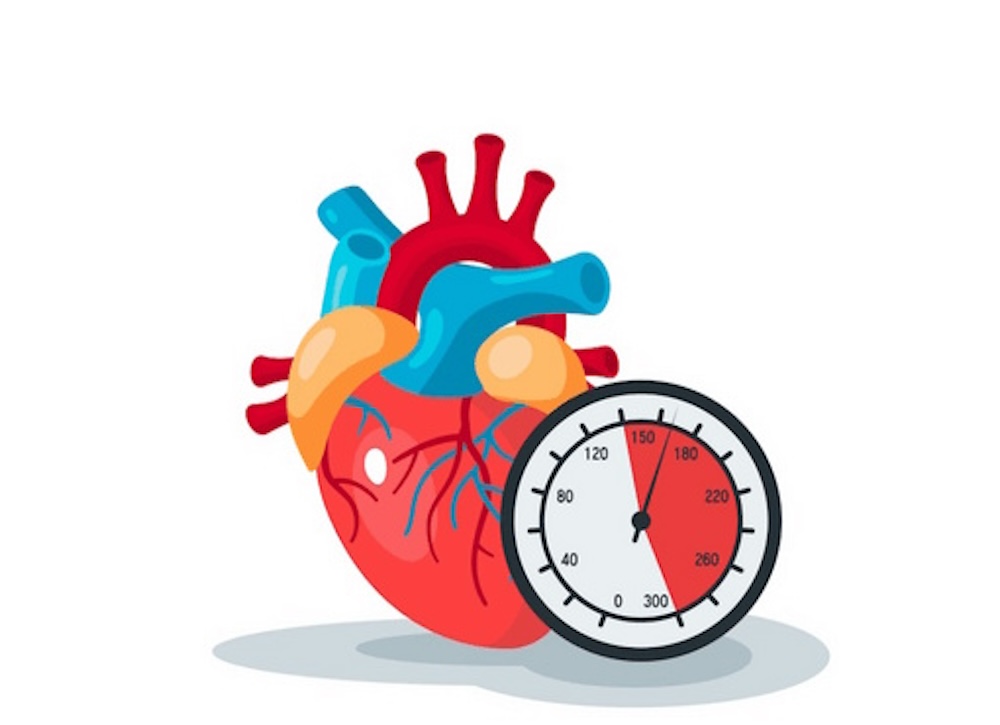
When lifters think about PED risks, they usually picture going bald, high liver enzymes, testosterone shutdown, or maybe gynecomastia. But the two biggest threats when taking steroids are far less obvious: hematocrit and hypertension. Left unchecked, they can quietly sabotage health and cut both careers and lives short, even for people who otherwise “feel fine.” […]Read More