
William Davis

William has been studying and experimenting with bodybuilding pharmacology for over 6 years. After being an independent researcher for all these years, he has decided to share his knowledge with the bodybuilding community through his science-based articles. His approach to enhanced bodybuilding can be summed up in the saying “less is more”, as he believes that prioritizing harm mitigation and looking for ways to maximize the positives is the key to longevity in bodybuilding.

CJC-1295 – HGH on a budget

CJC-1295 is one of the most well-known growth hormone releasing peptides, used to naturally elevate growth hormone (GH) and IGF-1 levels without shutting down the body’s hormonal systems the way exogenous GH can. It improves recovery, sleep quality, tissue repair, body composition, and overall vitality. CJC-1295 comes in two forms, with and without DAC, each […]Read More
Liver health fundamentals for AAS users

The liver is one of the most important organs in the human body. It plays a central role in detoxification, cholesterol regulation, hormone metabolism, nutrient processing, glycogen storage, and inflammation control. In enhanced bodybuilding, the liver is exposed to unique stressors, particularly from oral compounds, high food intake, inflammation, and rapid changes in body composition. […]Read More

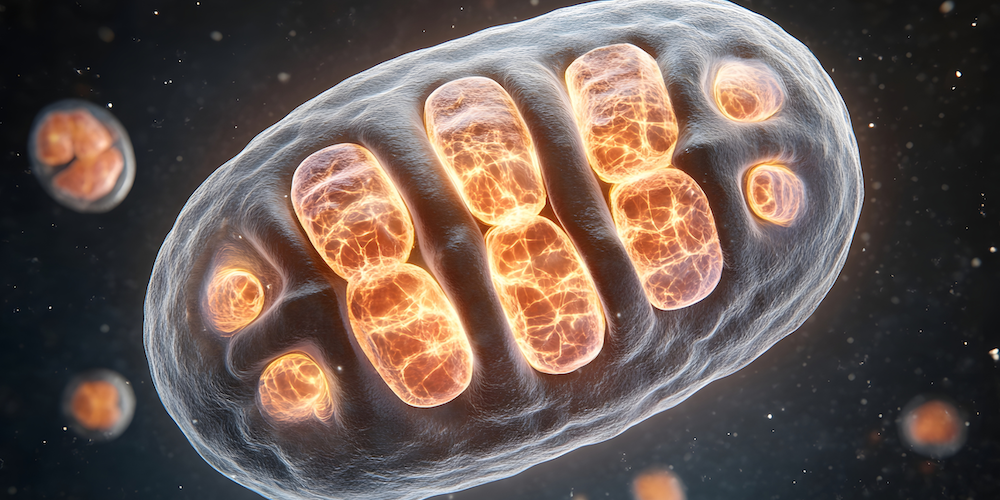
The Mitochondria era

For decades, performance and health discussions revolved around hormones, calories, and training intensity. Today, the focus is shifting deeper, down to the level where energy is actually created. Mitochondria are the structures inside cells responsible for producing ATP, the energy currency that powers muscle contraction, brain function, recovery, immune defense, and fat metabolism. When mitochondria […]Read More

MOTS-c – a promising metabolic tool

MOTS-c is one of the most promising discoveries in modern peptide science, a naturally occurring mitochondrial peptide that plays a major role in energy regulation, insulin sensitivity, and cellular stress adaptation. Unlike most hormones or peptides produced in the nucleus, MOTS-c is encoded directly within mitochondrial DNA, giving it a unique link to the cell’s […]Read More

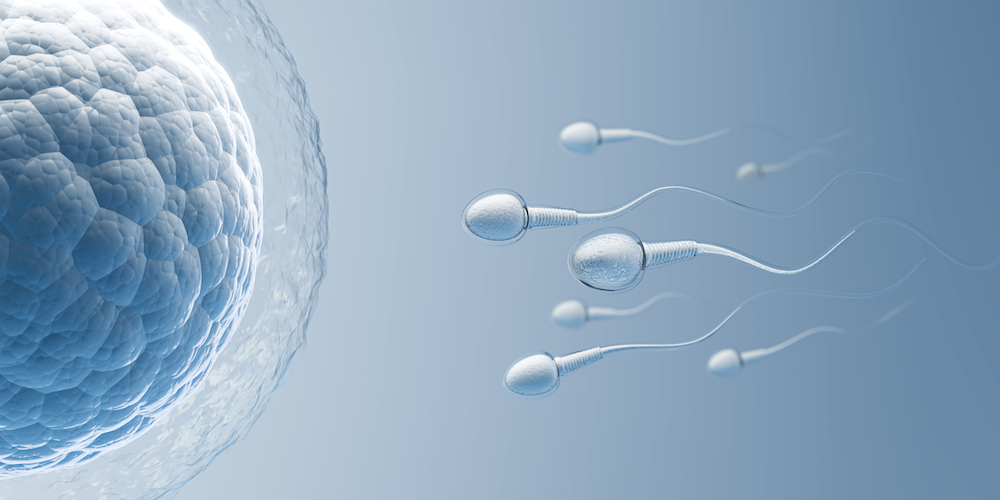
HMG – the ultimate fertility aid

Human Menopausal Gonadotropin (HMG) is a powerful injectable hormone used to restore and enhance natural testosterone production and sperm development. In both medical and performance contexts, HMG plays a unique role because it directly stimulates the testes rather than working indirectly through the brain. For individuals concerned with fertility, testicular atrophy, or full hormonal recovery […]Read More

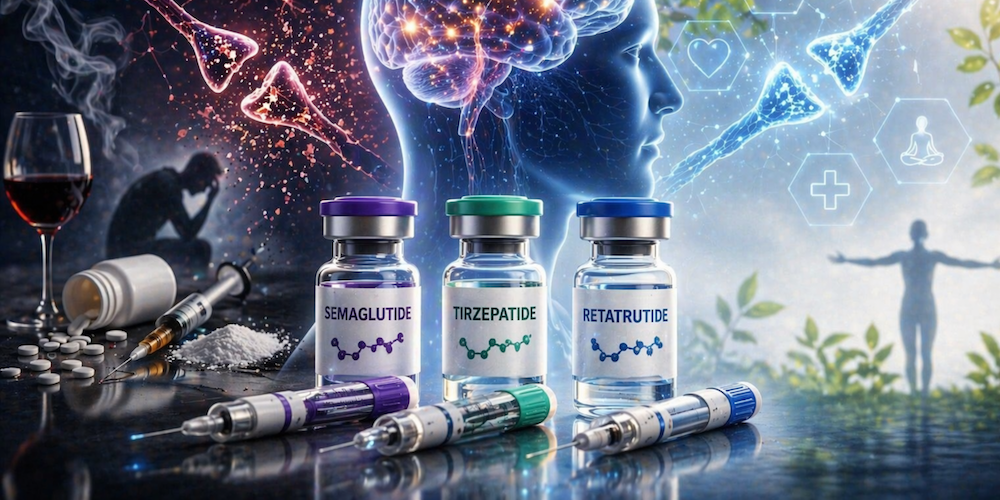
GLPs as a treatment for addiction

To say that addiction comes down to a lack of discipline is incredibly simplistic and unfair. Addiction stems from a dysfunction in the brain’s reward system, particularly involving dopamine signaling. Substances like alcohol, nicotine, and highly processed foods overstimulate dopamine pathways, leading to repeated use, reduced sensitivity, and eventually compulsive behavior. Over time, the brain […]Read More

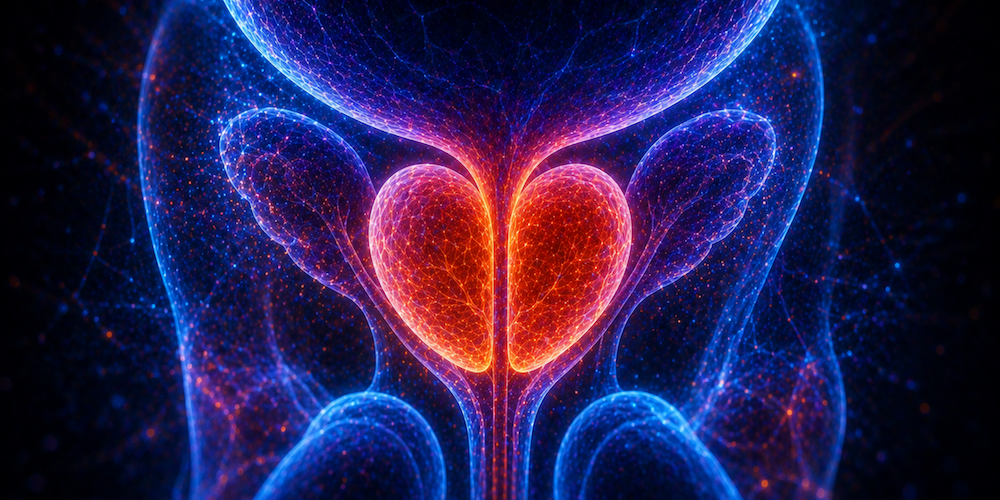
Prostate health fundamentals for AAS users

The prostate is a small gland located below the bladder that plays a key role in male reproductive health, helping produce seminal fluid and supporting fertility. Despite its size, it is highly sensitive to hormonal changes, particularly androgens. In enhanced bodybuilding, where androgen exposure is often significantly elevated, prostate health becomes an important but frequently […]Read More

PT-141 – the libido peptide

PT-141, also known as Bremelanotide, is one of the most unique peptides in modern enhancement medicine because it targets sexual desire and arousal directly through the central nervous system. Unlike medications such as sildenafil or tadalafil, which improve blood flow, PT-141 works on the brain pathways that govern libido. This makes it highly effective for […]Read More

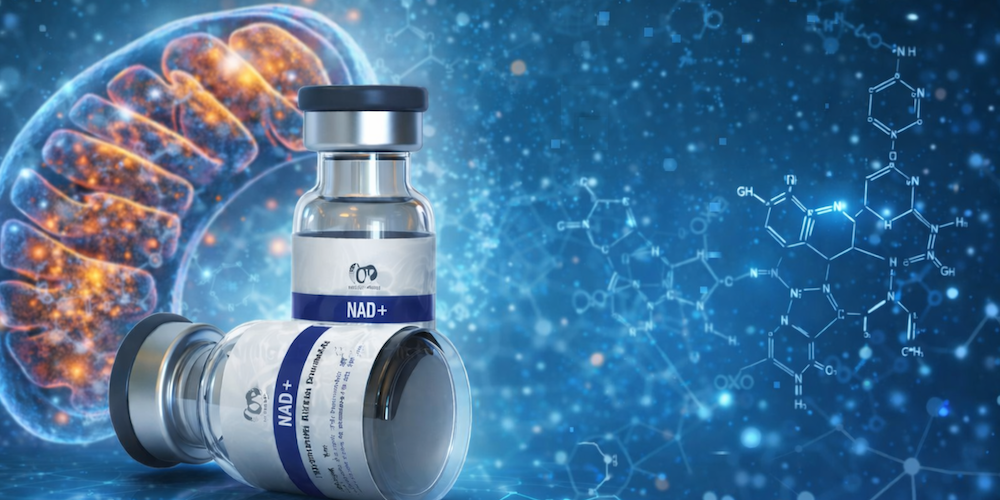
NAD+ Explained

NAD+ (nicotinamide adenine dinucleotide) is a molecule found in every living cell and is absolutely essential for life. It plays a central role in cellular energy production, DNA repair, metabolic regulation, and cell survival. Without adequate NAD+, mitochondria cannot efficiently produce ATP, enzymes involved in repair cannot function properly, and cells begin to age, malfunction, […]Read More

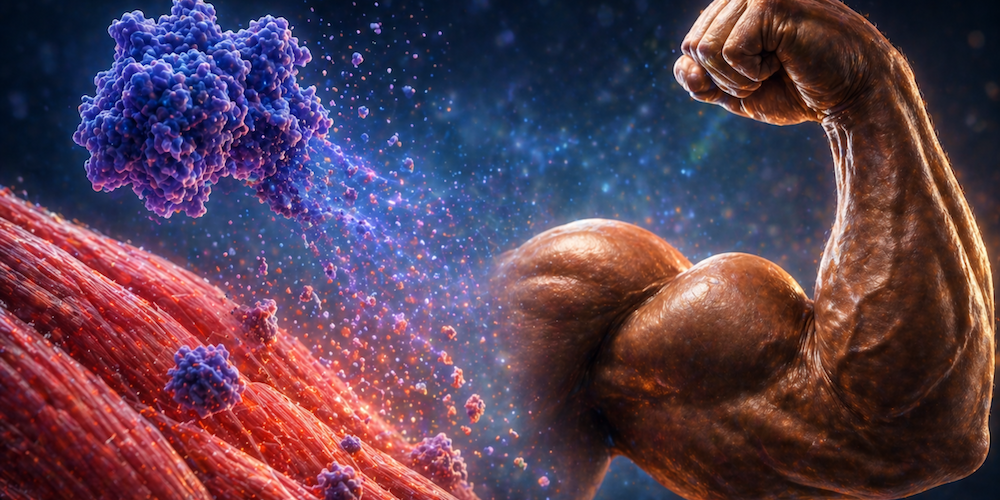
Understanding Myostatin – the muscle growth limiter

Myostatin is a regulatory protein that acts as a brake on muscle growth. It belongs to the TGF-beta family and is produced primarily in muscle cells. Its role is simple but powerful: prevent excessive muscle hypertrophy. When myostatin levels are high, muscle growth is limited. When myostatin is suppressed, muscle growth can accelerate beyond normal […]Read More