
The cost of size: can bodybuilding hurt longevity?

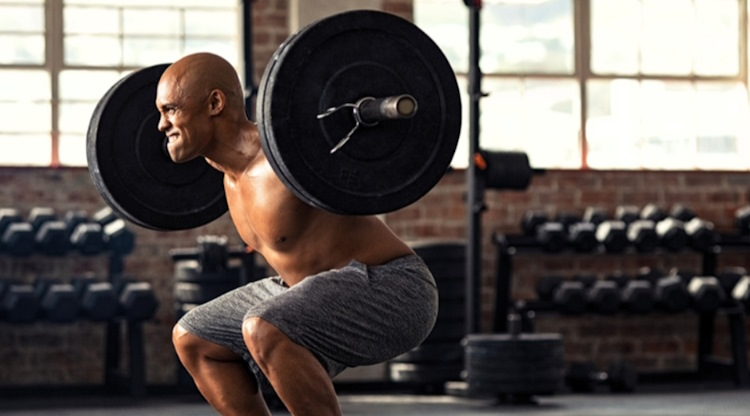
We could say, all other things being equivalent, that bodybuilding celebrates size: the bigger, the better. But as the stage lights go out and the adrenaline of competing fades, a darker question comes up: what does it cost to build and maintain that much muscle? While bodybuilding can represent discipline, search for aesthetics, and performance, pushing the human body to extreme size (especially when enhanced) may come with a significant physiological toll. Longevity isn’t just about how long you live: it’s about how well you live. And most of the evidence seems to suggest that extreme mass, PED use, and the bodybuilding lifestyle can compromise both.
Let’s take a look at cardiovascular stress, organ strain, increased risks, inflammation, and the price of extreme mass:
Cardiovascular strain: bigger isn’t always better
The heart adapts to stress, but not always in beneficial ways. In bodybuilders:
- Left ventricular hypertrophy (LVH) is common: the heart’s walls thicken, just like skeletal muscle;
- However, concentric hypertrophy (from heavy lifting and PEDs) reduces chamber size and compromises blood flow;
- High blood pressure, often worsened by PEDs (trenbolone, EQ, superdrol), thickened blood, and high body mass, increases cardiac risk;
- Cardiac fibrosis and arrhythmias are increasingly found in former athletes and even in young competitors.
Bottom line: the heart isn’t designed to push oxygen through 250+ pounds of lean mass for decades, especially under drug-induced stress.
Kidney and liver load: silent damage over time
The kidneys and liver act as your body’s filtration and detox systems. And in bodybuilding, they’re often under siege:
- High protein intake, constant creatine use, and elevated muscle breakdown strain the kidneys;
- Anabolic steroids, especially orals like Anadrol or Winstrol, are hepatotoxic, or toxic to the liver;
- Some compounds also case cholestasis (bile flow suppression), increasing long-term liver damage risk;
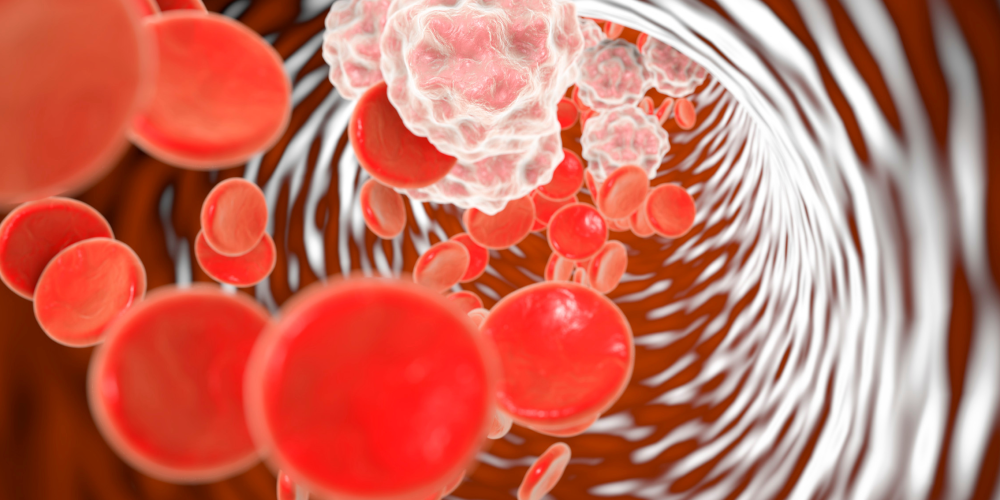
- Elevated hematocrit, common with steroids and growth hormone, thickens the blood and makes filtration harder for both organs.
Early kidney disease often has no symptoms until it’s advanced. By then, reversing the damage is unlikely.
Blood lipids and atherosclerosis risk
Even with shredded abs and clear vascularity, enhanced bodybuilders often have poor cardiovascular levels:
- Steroids reduce HDL (good cholesterol) and raise LDL (bad cholesterol);
- Aromatase inhibitors, often used to block estrogen, further degrade lipid profiles;
- Insulin resistance from growth hormone, bulking diets, and certain PEDs increases atherosclerosis risk;
- Many enhanced lifters have high coronary artery calcium (CAC) scores, which is a major predictor of heart attack.
You might “look” healthy on the outside, but inside, the arteries may tell a different story.
Chronic inflammation and autonomic stress
Extreme mass equals more tissue to maintain which in turn equals more systemic inflammation.
- Sleep apnea is common due to neck thickness and bodyweight, disrupting recovery and increasing cardiovascular risk;
- PEDs can create autonomic nervous system dysregulation: reduced heart rate variability, poor stress response, and chronic fight-or-flight state;
- Excess body mass, even as muscle, is still metabolic load. The heart, liver, and kidneys don’t differentiate if it’s lean or not.
Inflammation is a silent killer — and in bodybuilding, it’s often masked behind shredded physiques and vascular arms.
Psychological stress and life quality
The mental side matters too.
- Long-term PED use can alter dopamine signaling, leading to apathy, dependency, or depression when off-cycle;
- Many athletes struggle with body dysmorphia, always chasing size even when their health is declining;
- The constant rigidity of bodybuilding (eating, sleeping, training) creates psychological fatigue over time.
While discipline is a virtue, when it becomes obsession, quality of life will suffer, even if you’re still alive.
Options to minimize the health toll of being big
But is there a safer way to bodybuild? Let’s go over a few options to minimize the health toll of being big:
- Manage blood pressure and lipids aggressively;
- Get regular bloodwork and cardiac scans (like echocardiograms, CAC, and kidney panels);
- Use safer PED protocols and substances, and take real off-cycles or “health” phases;
- Maintain a reasonable bodyweight in the off-season;
- Prioritize sleep, stress reduction, and inflammation control;
- Focus on cardiovascular fitness, not just aesthetics.
All in all, one could say bodybuilding is about mastery of the body, but true mastery includes respecting its limits. The pursuit of size comes with undeniable risks: cardiac strain, organ stress, blood marker dysregulation and a heavy psychological toll. While the sport demands extremes, athletes must ask themselves: is your physique worth more than your health? You don’t have to choose between being big and being healthy, but you do have to choose how far you’re willing to go, and for how long. If longevity matters to you, it’s time to start training and living like it.