
Anabolic resistance: can you become less responsive to PEDs?

You’re taking more, but feel like you’re getting less. In the world of performance-enhancing drugs (PEDs), early cycles often feel magical: tremendous strength, full muscle bellies, insane recovery. But as the years go by, those same compounds deliver diminishing returns. You increase the dose, add more compounds, extend your cycles… and still don’t see the same progress you once did. This isn’t just “bad gear” or poor training. You may be dealing with a real physiological phenomenon: anabolic resistance. Let’s break down how receptor saturation, cellular adaptation, and overexposure to PEDs could be making you less responsive, and what to do about it.
Anabolic resistance typically refers to a diminished muscle protein synthesis (MPS) response to training or nutrient intake. But in enhanced athletes, it takes on a broader meaning: anabolic resistance is the body’s reduced responsiveness to the anabolic effects of PEDs due to prolonged exposure, biological adaptation, and desensitization of key pathways. In simpler terms: your body is adjusting, protecting itself, and pushing back against the constant artificial push for growth.
4 main reasons why anabolic resistance may happen
1. Androgen receptor (AR) saturation and downregulation
Anabolic steroids primarily work by binding to androgen receptors in muscle tissue. Once bound, these receptors signal for increased protein synthesis, strength, and hypertrophy. But here’s the catch:
- There are only so many androgen receptors (ARs);
- Once they’re all occupied, adding more gear doesn’t mean more growth, just more side effects;
- Chronic high doses may even cause AR downregulation: the body reduces receptor availability or responsiveness to protect itself from overstimulation.
This is especially relevant for users who blast continuously or never come off. The result? No more gains, rising estrogen/progesterone side effects and often ever-escalating doses that lead nowhere.
2. mTOR and muscle protein synthesis desensitization
The mTOR pathway is a central hub for muscle growth, integrating signals from training, nutrition, and anabolic hormones. But like any adaptive system, it can become less responsive over time:
- Chronic overactivation of mTOR through steroids, excessive food, and training may dull the body’s anabolic signaling;
- Studies in aging and insulin resistance show that when mTOR is always “on,” it eventually stops responding optimally;
- Some evidence suggests that fasting, deloads, or cycling off drugs can resensitize these pathways.
So, if your high-calorie, high-gear, high-frequency lifestyle is starting to stall, your growth pathways might be overloaded and saturated.
3. Chronic inflammation and internal resistance
Years of heavy PED use, overeating, hard training, and poor recovery habits can lead to:
- Systemic low-grade inflammation;
- Insulin resistance;
- Gut dysbiosis;
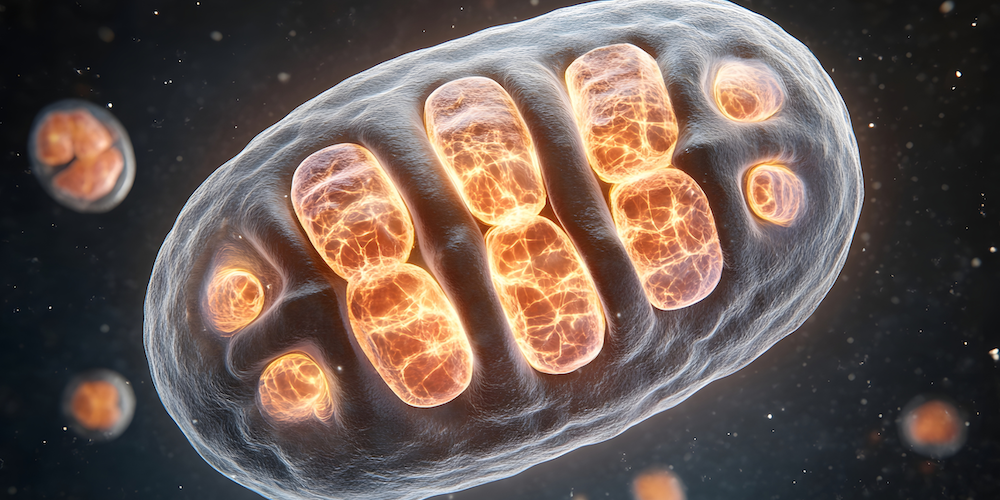
- Mitochondrial dysfunction
These internal stressors degrade cellular health and reduce your ability to build lean tissue, no matter how much anabolic signal you’re sending. Think of it this way: if the “construction crew” (your cells) are burned out and inflamed, they won’t respond to orders, even if those orders come from trenbolone.
4. Psychological tolerance
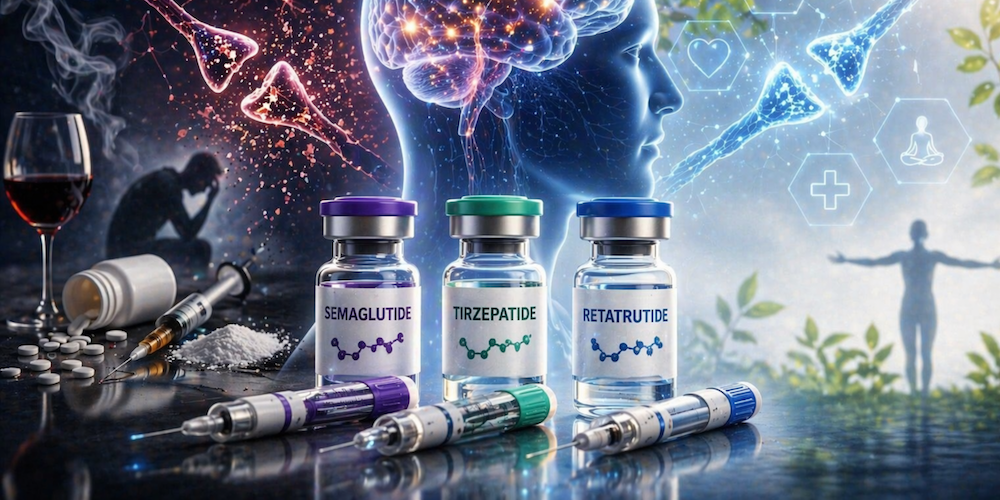
PEDs don’t just act on muscle: they modulate aspects such as mood, aggression, motivation, and confidence. Many users report a psychological “high” when cycling, especially early on. But just like with stimulants or recreational drugs, tolerance builds:
- Dopamine systems can downregulate;
- Confidence fades without chemical support;
- Baseline motivation drops between cycles.
This can lead to a psychological feedback loop: increasing doses to chase a feeling, not results. But the brain, like the muscle, eventually adapts and stops responding the same way.
Here are some symptoms that you may be experiencing anabolic resistance:
- Reduced gains despite high or increasing PED doses;
- Increased side effects (acne, BP, estrogen) without proportional muscle growth;
- Loss of “on cycle” feeling or drive;
- Plateaued performance or physique despite “doing more”;
- Inability to recover post-cycle even with proper PCT
6 strategies to re-sensitize your body
1. Come off completely (strategic off-cycling)
Time off allows receptor sensitivity, endogenous hormone production, and anabolic pathways to reset. At least 12–16 weeks is ideal;
2. Use low-dose bridging (if not going fully off)
Replace blasts with moderate “health phases” (TRT+ dose, no orals, anti-inflammatory focus);
3. Train with periodization, not just punishment
Incorporate deloads, reduce failure sets, and add aerobic work to reduce inflammation and improve recovery;
4. Cycle calories and macros
Pulsing high-protein/high-carb periods with lower intake or fasts can restore metabolic flexibility and insulin sensitivity;
5. Clean up the internal environment
Focus on liver support, mitochondrial health, gut function, sleep, and micronutrients. PEDs amplify your baseline — if your internal systems are trashed, the drugs won’t work;
6. Use less, not more
Many long-term users find better results from lower, more strategic dosing rather than chasing higher mg/mL;
In conclusion, PEDs are powerful tools, but they don’t work in a vacuum. The body is incredibly adaptive, and that adaptation includes defending itself against prolonged anabolic stimulation. If you’re getting less from more, it’s probably time to look down, not up in dosage. Understanding and managing anabolic resistance is essential for any long-term enhanced athlete. Take the time to reset, rebuild sensitivity, and treat your body like an ecosystem and not a machine to be pushed ad infinitum. In the long run, the athletes who respond better, not just dose higher, are the ones who last longer.