
Growth hormone isn’t a muscle drug, it’s a recovery drug

Growth hormone (GH) has long been hyped in bodybuilding circles as a “mass builder,” thrown into cycles with the hope of getting freaky big. Pair that with the prohibitive price tags and you got yourself a decades long myth. But let’s set the record straight: GH is not a muscle-building drug, at least not directly in the way many think. Its true power lies elsewhere: recovery, regeneration, and long-term tissue support. If you’re using GH just to chase mass, you’re using the wrong tool for the wrong job.
Unlike anabolic steroids, GH doesn’t directly stimulate muscle protein synthesis through androgen receptor pathways. While it does increase IGF-1 levels (which can influence growth), GH alone won’t turn you into a mass monster.
Several studies now show:
- GH has minimal hypertrophic effects in trained lifters;
- The “muscle” gains often seen are due to water retention or increased connective tissue size;
- Strength improvements are negligible compared to traditional AAS cycles
The real benefits of GH
That doesn’t mean it’s useless, it just means its value is not on building muscle directly. Here are the real benefits of GH:
1. Improved sleep quality
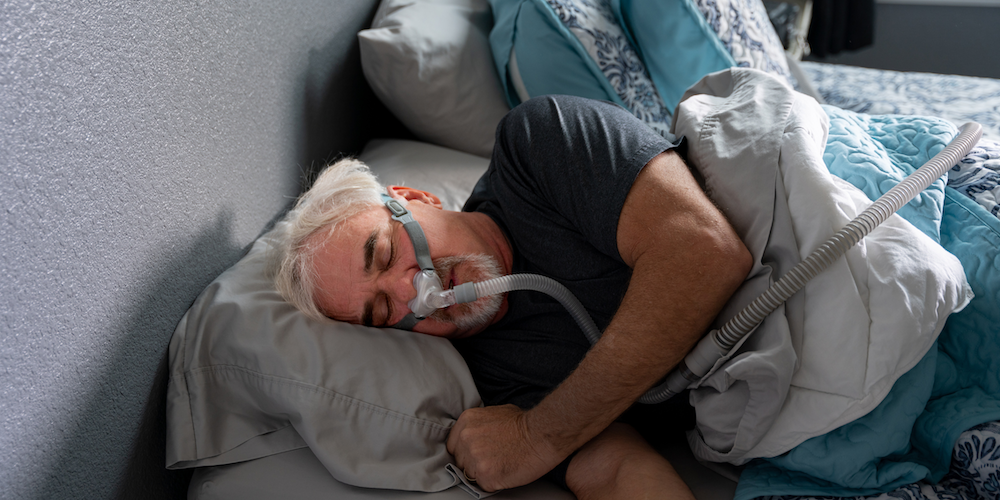
GH promotes slow-wave (deep) sleep, which is when the body does most of its repair work. Users often report better sleep onset, fewer wake-ups, and waking up feeling “restored.”
2. Connective tissue repair
GH supports the recovery of tendons, ligaments, cartilage, and joints—which steroids often neglect or even worsen. This makes it invaluable for:
- Healing persistent injuries;
- Increasing durability and comfort during hard training blocks;
- Supporting long-term performance and joint health
3. Fat loss (especially stubborn fat)
While not a thermogenic, GH promotes lipolysis, particularly in areas like the lower back and abdomen. This makes it ideal during cutting phases to enhance the “dry,” carved-out look.
4. Skin, hair, and healing
GH enhances collagen production, improves skin elasticity, and speeds up wound healing. Many users notice better skin tone, hair quality, and even a younger appearance over time.
Use cases
Because of these benefits, we can think of a few use cases where GH really shines:
- During injury recovery: GH helps speed the healing of muscle tears, tendonitis, and overuse injuries;
- In prep or post-cycle phases: supports fat loss and soft tissue while coming off heavy androgens;
- For older lifters: natural GH levels decline with age, so at least replacing them can improve quality of life, energy, and recovery;
- During sleep deprivation or overreaching: GH offsets some CNS stress and improves recovery from intense blocks of training or poor sleep.
What GH won’t do for you
However, just to make sure we’re on the same page, let’s make crystal clear what GH won’t do for you:
- It won’t make you huge unless combined with insulin, AAS, and extreme food intake;
- It won’t give you immediate strength or fullness;
- It won’t make up for poor training or programming;
- It won’t fix injuries overnight, but it will help the process move faster.
Pro Tips
As such, here are a few tips to make sure you do a smarter GH use if you choose to do so:
- Dosage: 2–4 IU/day for recovery and fat loss. Maybe push 6 IU/day if you’re a big guy and can afford it. More isn’t always better;
- Timing: before bed (for sleep/recovery) or fasted morning (for fat loss);
- Duration: GH works best long-term (3–6 months most likely) to see benefits;
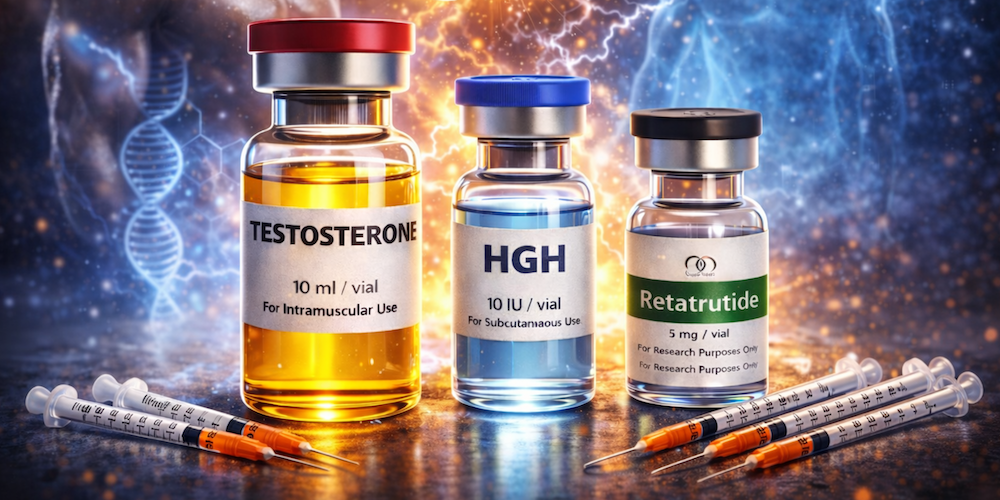
- Stacking: pair with testosterone or peptides (like BPC-157 or TB-500) for synergistic healing.
In conclusion, GH is one of the most misunderstood PEDs in the game. It’s not a miracle muscle drug: it’s a repair drug, a fat-burning aid, a longevity tool. When used at its best, it helps you train harder, recover faster, and stay in the game longer. So, if you’re chasing muscle, don’t rely on GH to do the heavy lifting. But if you’re chasing sustainability, tissue health and sustainability, and elite-level recovery, it may be one of the best (although not cheap) tools in your arsenal.