Neurotoxicity and PEDs: what happens to the brain

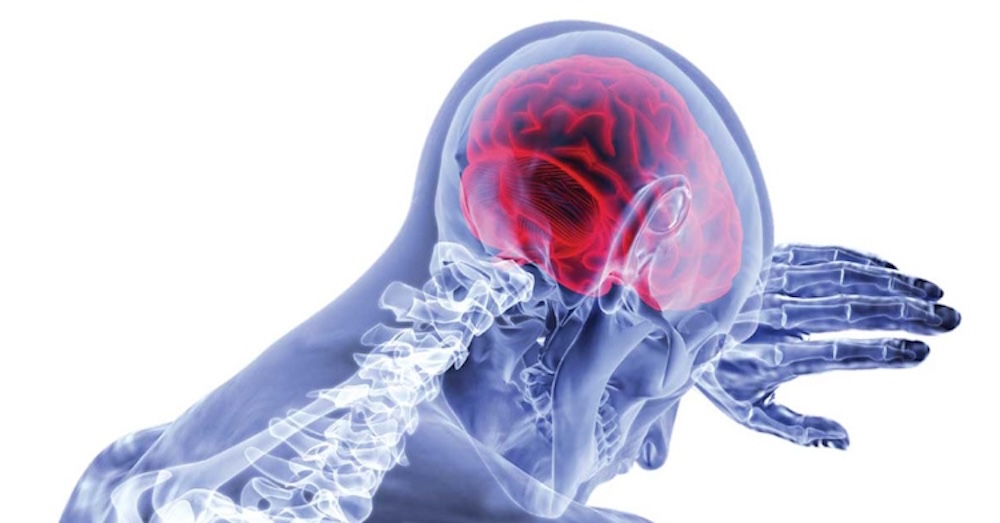
Performance-enhancing drugs (PEDs) are usually discussed in terms of muscle and hormones, but rarely the mind. Yet, behind the strength, confidence, and drive that many lifters feel on cycle, something else is happening beneath the surface: changes in brain chemistry and structure. PEDs don’t just influence your body, they reshape your brain’s hormonal environment, neurotransmitters, and even how you handle stress, motivation, and emotion. Over time, that can come at a cost.
How AAS Affect the Brain & CNS
Anabolic-androgenic steroids (AAS) affect the central nervous system (CNS) through multiple pathways:
- Androgen receptors in the brain:
These receptors are found in key areas like the amygdala, hypothalamus, and prefrontal cortex, areas responsible for mood, motivation, and impulse control.
- Neurotransmitter shifts:
- Dopamine: initially rises, increasing drive, focus, and reward sensitivity (the “on-cycle confidence”);
- Serotonin: can drop over time, worsening post-cycle mood and anxiety;
- GABA and Glutamate: altered balance affects stress regulation and irritability.
- Neuroinflammation and oxidative stress:
Long-term AAS use can increase inflammatory markers and free radical damage in neural tissue, gradually impairing signaling efficiency.
The Psychological Effects of AAS Use
Both during the cycle and after it’s been finished, the different psychological effects differ over time:
- On-cycle: the high
Elevated dopamine and androgens heighten aggression, confidence, and focus.
Many lifters describe feeling “invincible,” more assertive, and emotionally numb, traits useful in the gym, but risky in real life.
- Post-cycle: the crash
When exogenous androgens drop, so do dopamine and serotonin. This can lead to:
- Depression and apathy
- Loss of motivation
- Anxiety and irritability
- Sleep disturbances
This isn’t just “withdrawal.” It’s a genuine neurochemical imbalance caused by suppressed natural androgen and neurotransmitter activity.
The Long-Term Consequences
As far as long-term effects stack up, studies on chronic steroid users reveal structural and functional changes:
- Reduced gray matter volume in the prefrontal cortex, the area linked to decision-making and self-control;
- Altered amygdala activity, increasing impulsivity and aggression (the infamous “roid rage”);
- Dopamine receptor downregulation, blunting reward response (similar to long-term stimulant abuse);
- Cognitive decline in memory, emotional regulation, and executive function after prolonged use.
The longer the use and the higher the dose, the more persistent these changes become.
The Effect of Other PEDs on the Brain
Other PEDs also have significant effects on the brain:
- Stimulants (clenbuterol, ephedrine, amphetamines): chronically elevate dopamine and norepinephrine, promoting anxiety, insomnia, and neural fatigue;
- Growth Hormone & IGF-1: may have neuroprotective effects at moderate levels but could promote nerve sensitivity and headaches at high doses;
- SARMs: less neurotoxic than steroids, but long-term data is limited (early research shows potential dopaminergic disruption similar to mild androgen use).
Preventive Measures Worth Taking
Some basic principles can be used to limit the effects of PEDs on the brain. Here are the most important ones:
- Cycle smart: shorter, moderate cycles reduce cumulative neurochemical stress;
- Post-cycle therapy (PCT): restoring hormonal balance helps normalize neurotransmitter levels;
- Antioxidants and anti-inflammatories: omega-3s, NAC, curcumin, and enough sleep can mitigate oxidative stress;
- Cardio and cognition: aerobic exercise improves brain blood flow and neurogenesis, both critical during recovery phases;
- Mental health monitoring: watch for early signs of mood change, aggression, or emotional numbness and dial doses down or seek professional help.
PEDs make the body physically stronger, but the brain isn’t immune to their impact. The same hormones that enhance drive and focus can, over time, rewire emotional circuits and dull reward pathways. The enhanced athlete who understands this can use PEDs with strategy and respect. Because longevity in this game isn’t just about keeping your liver and heart healthy, it’s also about protecting the one organ that controls them all: your brain.