Beyond Testosterone: how DHT and SHBG work

When lifters talk hormones, the spotlight almost always lands on testosterone, estrogen, and growth hormone. But in the background are two almost never discussed players, DHT (dihydrotestosterone) and SHBG (sex hormone–binding globulin), that significantly influence how much muscle you can build, how you look, and how you feel on or off cycle. Ignore them, and you’re missing a big part of the picture.
Understanding DHT
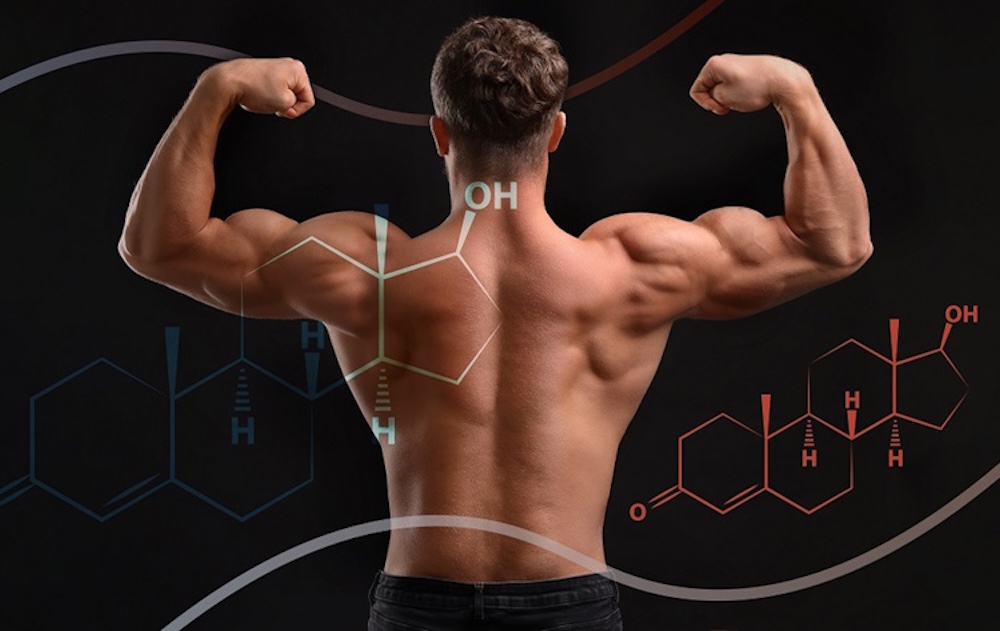
Dihydrotestosterone (DHT) is a potent derivative of testosterone, created by the enzyme 5-alpha reductase. Though DHT isn’t directly anabolic in muscle tissue (it doesn’t drive hypertrophy like testosterone does), it plays a big role in the look and feel of your physique:
- Muscle density: DHT gives that dry, grainy appearance many associate with a “hard” look;
- CNS drive: DHT acts strongly in the nervous system, enhancing aggression, confidence, and intensity under the bar;
- Side effects: hair loss, acne, and prostate growth can be might come with chronically high DHT. Suppress it too much, though, and strength and libido often tank;
Takeaway: DHT doesn’t add much bulk, but it adds quality: strength, sharpness, and hardness, as well as the psychological drive to train harder.
Understanding SHBG
On the other hand, SHBG is a protein that binds to sex hormones (mainly testosterone and DHT) in the bloodstream. Bound hormones are “inactive”, meaning they can’t do their job. Only free testosterone is bioavailable to act on muscle. Simply put:
- High SHBG = less free test: even if total testosterone looks great, high SHBG can choke off usable hormone by muscle tissue;
- Low SHBG = more free test: more androgen action, but chronically low SHBG can indicate metabolic issues;
- PEDs & SHBG: many anabolic steroids (like stanozolol/Winstrol) suppress SHBG, dramatically increasing free testosterone and synergistically amplifying effects;
Takeaway: SHBG dictates how much of your total testosterone is actually doing work.
Their Role in Bodybuilding
We can already see just how potent these two hormones are, but how can they influence training and building mass?
- DHT: influences how “hard” and strong you feel, and contributes to nervous system intensity, which is key for pushing heavy loads.
- SHBG: regulates how much testosterone is actually active. Lowering SHBG temporarily can supercharge cycles, but chronically suppressing it can backfire.
In practical terms, somebody with high SHBG might struggle to gain mass despite “normal” testosterone levels, and a lifter with low DHT might gain size but look soft and lack aggression and/or motivation to train hard. Here’s how these two hormones can be helpful in both bulking and cutting cycles:
- Bulking cycles: compounds that suppress SHBG (e.g., Winstrol, Proviron) can help maximize free testosterone and gains throughout the cycle;
- Cutting cycles: DHT-derived compounds (e.g., Masteron, Proviron) enhance hardness, dryness, and strength retention;
Health considerations: over-suppressing DHT or SHBG long-term can harm libido, mood, cardiovascular health, and metabolic function, as well as the aforementioned side effects.
Testosterone may be the king, but DHT and SHBG are the chess pieces that determine how the game plays out. DHT gives you hardness, aggression, and intensity. SHBG controls how much of your total testosterone is actually active. If you’re serious about mass and performance, don’t just track total testosterone: pay attention to these two hormones. They often explain why two lifters on the same cycle can look and feel completely different.