Your best cycles are behind you. Here’s why

Almost every enhanced lifter reaches a point where a quiet realization settles in: this whole thing doesn’t feel like it used to. The drugs still work on paper, bloodwork looks OK. Doses are higher, protocols are cleaner, ancillaries are dialed in. And yet, the cycle doesn’t hit the same way. Strength still goes up, maybe even size, but the “on-cycle feeling” is muted. The sense of being switched on, aggressive, confident, and unmistakably enhanced just isn’t there anymore.
Most people simplify and try to explain this with age alone. That explanation is convenient, but mostly wrong. What’s actually happening is less dramatic and far more frustrating: your body has adapted.
Why The First Few Cycles Are Amazing
The first few cycles feel special because the whole system is still naïve, virgin if you prefer. Androgens hit receptors that haven’t been exposed to prolonged supraphysiological signaling. Dopamine spikes harder because the contrast between “off” and “on” is huge. Recovery improves dramatically because your baseline wasn’t high to begin with. The difference is extreme, and your brain registers that as something powerful. Over time, that contrast shrinks. Not because the compounds stopped working, but because your physiology is no longer surprised by any of them: androgen receptors don’t behave like simple on–off switches anymore. Repeated exposure changes how they respond, how strongly physiological pathways activate, and how much drive you get from the same signal. Muscle can still grow, but the experience of being on cycle becomes weaker. The signal is familiar now, so the response is less dramatic.
Metabolic Adaptation
At the same time, your metabolism remembers. Each cycle leaves behind small adaptations that don’t show up as obvious damage but still change the game. Over time, you start to notice patterns like these:
- insulin sensitivity slowly worsening between cycles;
- nutrient partitioning becoming less forgiving;
- recovery requiring more sleep, more food, more management;
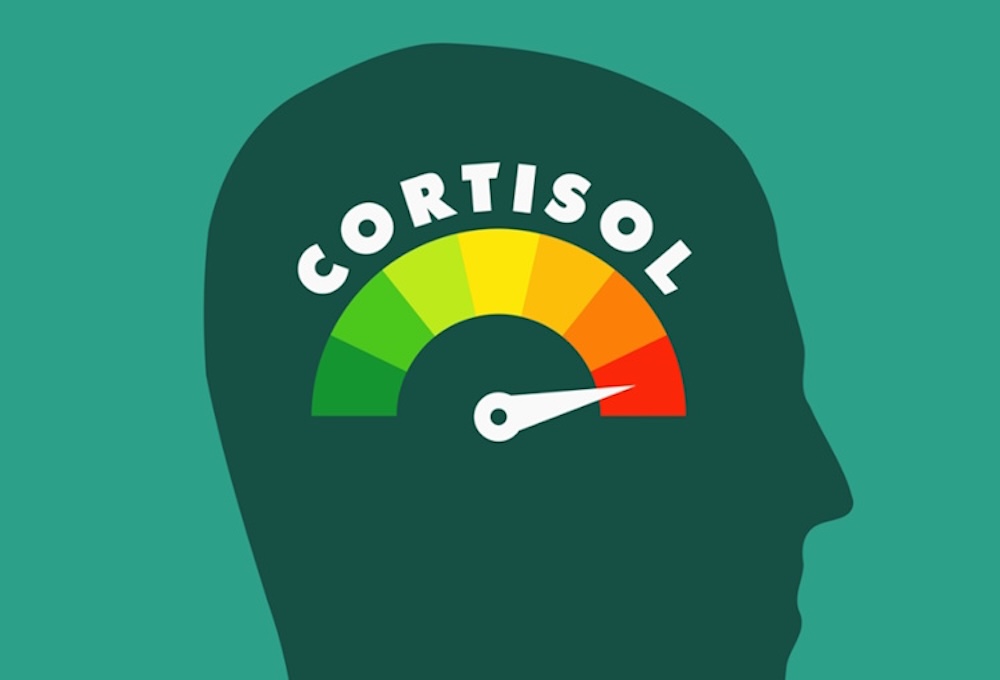
- stress hormones staying elevated more easily;
- the margin for error shrinking with each cycle
None of these are catastrophic on their own. Together, they raise the cost of getting the same results you once got with far less effort.
The Psychological Factor
Then there’s the psychological side that most people avoid talking about: expectation bias. Your first great cycle sets an internal benchmark. You remember how strong you felt, how confident you were, how quickly your body responded. Every cycle after that is subconsciously compared to that memory. Even if objective progress is similar, the subjective experience feels worse because it doesn’t feel the same as your first cycle. The brain doesn’t reward repetition the same way it rewards discovering something for the first time. This is where dose escalation starts, and for the wrong reason. People aren’t chasing more muscle; they’re chasing a feeling they associate with their early cycles.
The Identity Shift
There’s also a subtle identity shift that happens over time. Early cycles feel transformative because they change how you see yourself. Later cycles feel more like maintenance. You’re no longer becoming something new, but more like trying to preserve what you already built. That alone drains excitement from even well-run protocols. None of this means enhancement stops working, but your relationship with it has changed.
This is why lifters with long histories often say their best cycle was years ago, even if they’re bigger now. They’re not romanticizing the past. They’re remembering a time when physiology and psychology were aligned in a way that can’t be recreated once adaptation sets in. The real mistake is assuming this means you’re doing something wrong.
None of this means you need more drugs or your genetics suddenly changed. or you’re “too old” now. It means your body did exactly what it’s designed to do: adapt to repeated stress and repeated signals.
The real fork in the road comes here. Some people chase the past, stacking more compounds and complexity trying to force the old feeling back. Others accept that enhancement has shifted phases, from discovery to refinement/maintenance, and adjust their expectations accordingly.
Your best cycles may be behind you in terms of feeling “on-gear”. That doesn’t mean your best physique, performance, or health decisions are, but if you’re still chasing how it used to feel, you’ll always be disappointed by how it feels now, and there’s no escaping it. Understanding that difference is often the point where lifters either mature or spiral doses out of control and pay the health cost that comes with it.