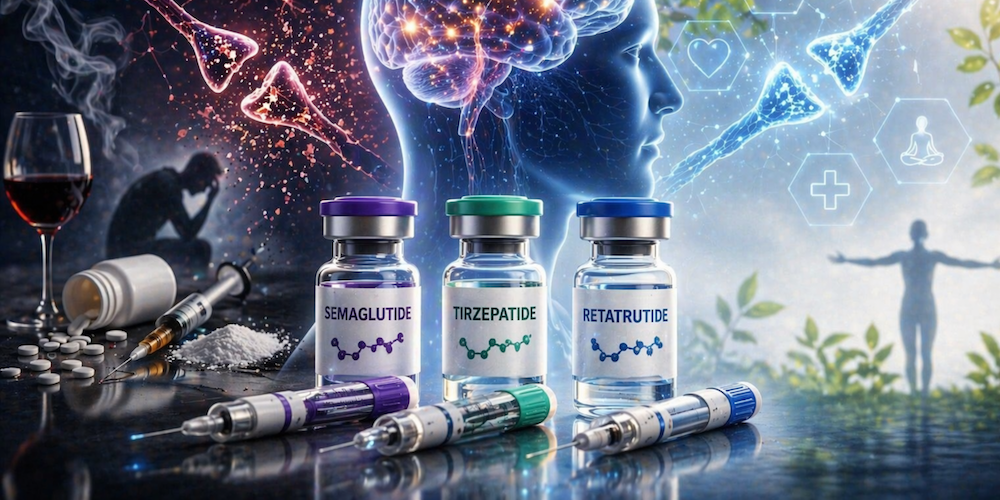

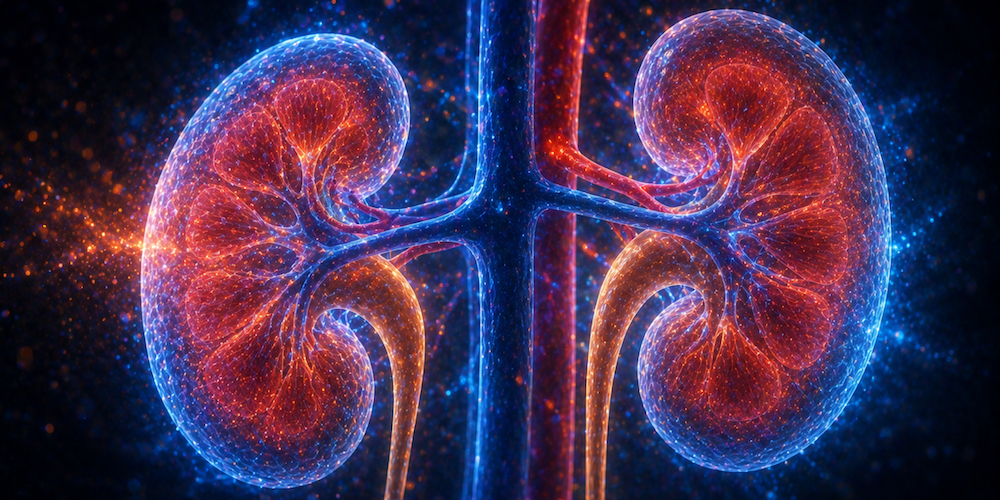
The kidneys are responsible for filtering waste products, regulating blood pressure, balancing electrolytes, and maintaining fluid balance. In enhanced bodybuilding, they are exposed to far more stress than most people realize. High bodyweight, elevated blood pressure, excessive food intake, dehydration, intense training, and certain compounds can all place significant strain on renal function over time. […]Read More
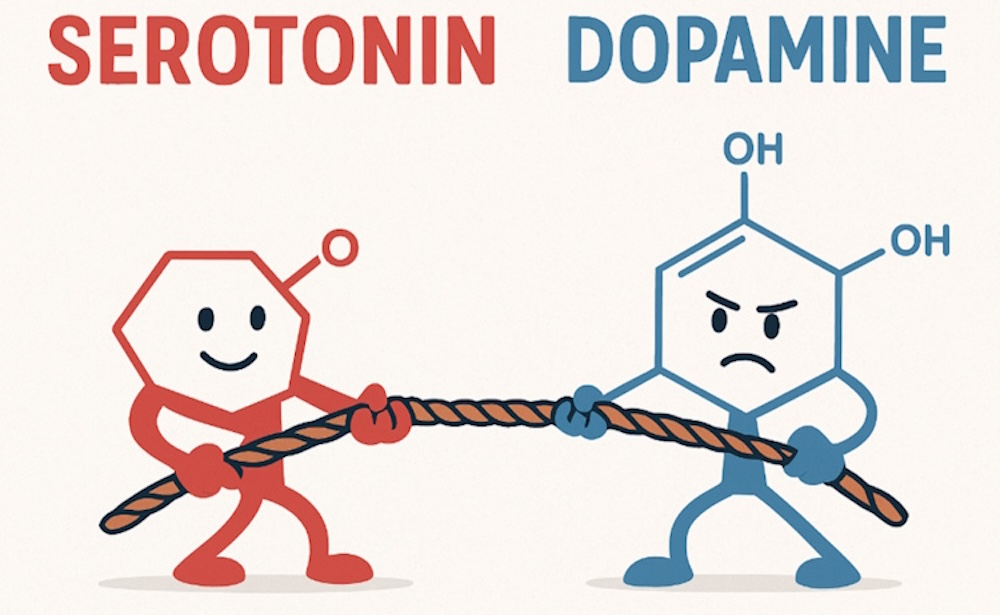
When people think of training, they usually think in terms of muscles, joints, and energy systems. But behind the scenes, two key neurotransmitters, serotonin and dopamine, are constantly shaping how you perform, recover, and even how much you enjoy training. Understanding their balance is crucial if you want to optimize both physical output and mental […]Read More
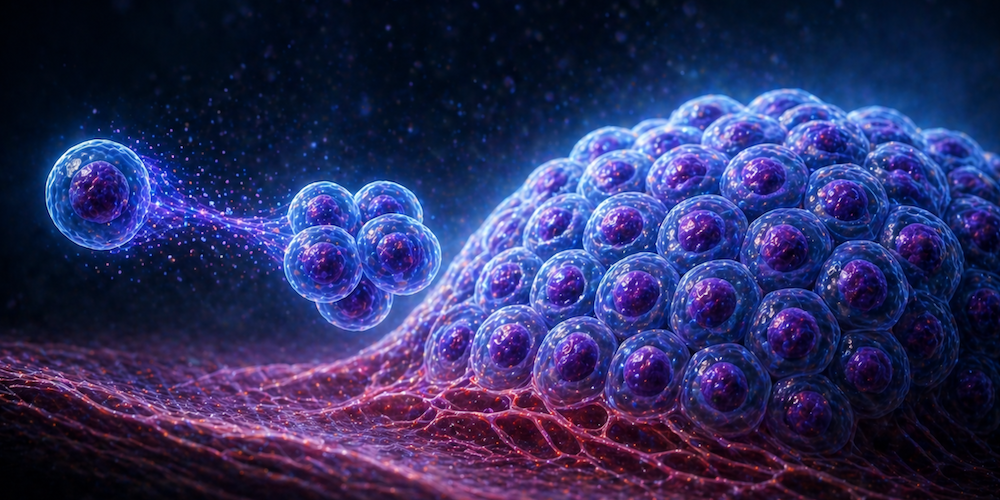
Hyperplasia refers to an increase in the number of muscle fibers, not just their size. This is different from hypertrophy, which is the enlargement of existing fibers. Most lifters build muscle primarily through hypertrophy, making fibers thicker and stronger. Hyperplasia, on the other hand, expands the total number of fibers, effectively increasing the muscle’s growth […]Read More
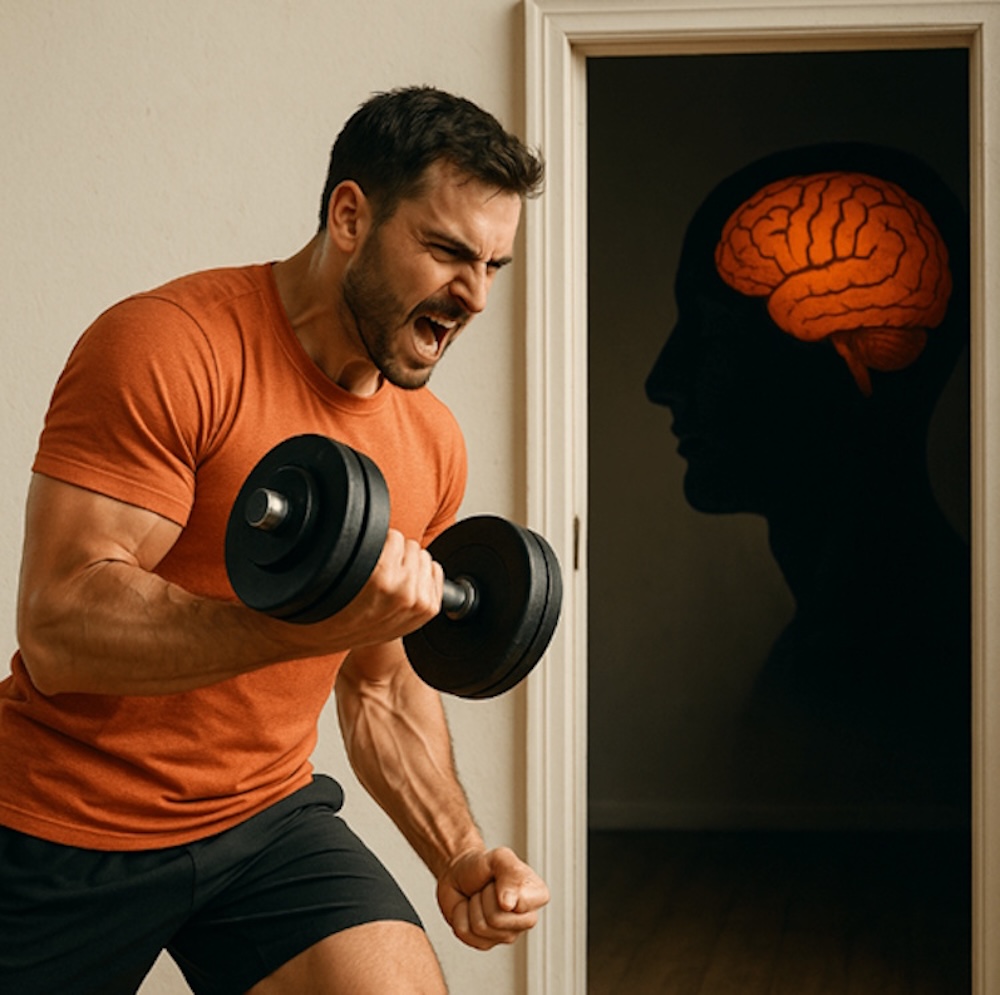
For a lot of lifters, training isn’t just about building muscle, it’s also about staying mentally healthy. The weights become therapy, the structure and discipline become routine, and the post-lift dopamine hit is the closest thing to peace. But somewhere along the line, what starts as medicine can quietly turn into dependency, not on drugs, […]Read More
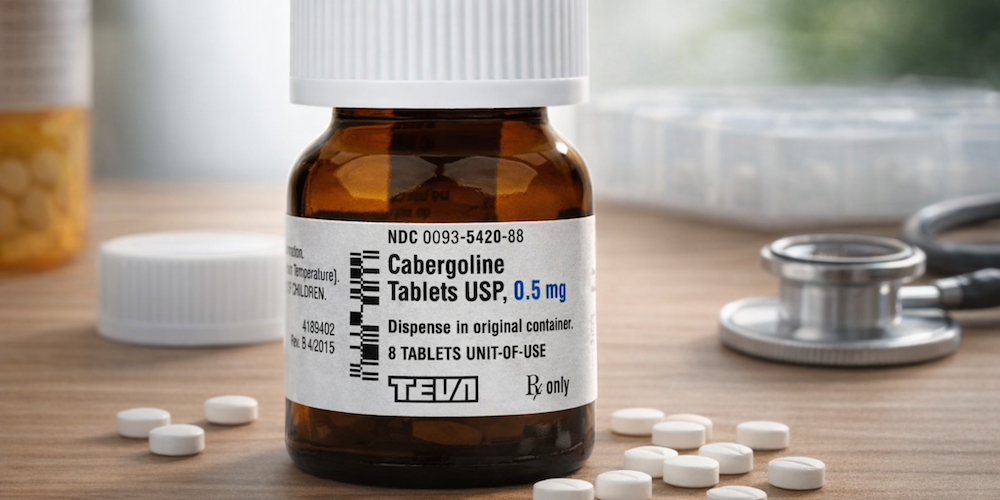
Cabergoline is a potent dopamine agonist primarily used to control elevated prolactin levels. In both medical and performance-focused contexts, it plays a critical role in restoring sexual function, improving mood and motivation, and correcting hormone imbalances driven by excess prolactin. Because prolactin interacts closely with dopamine, testosterone, and libido, cabergoline is often misunderstood or misused. […]Read More
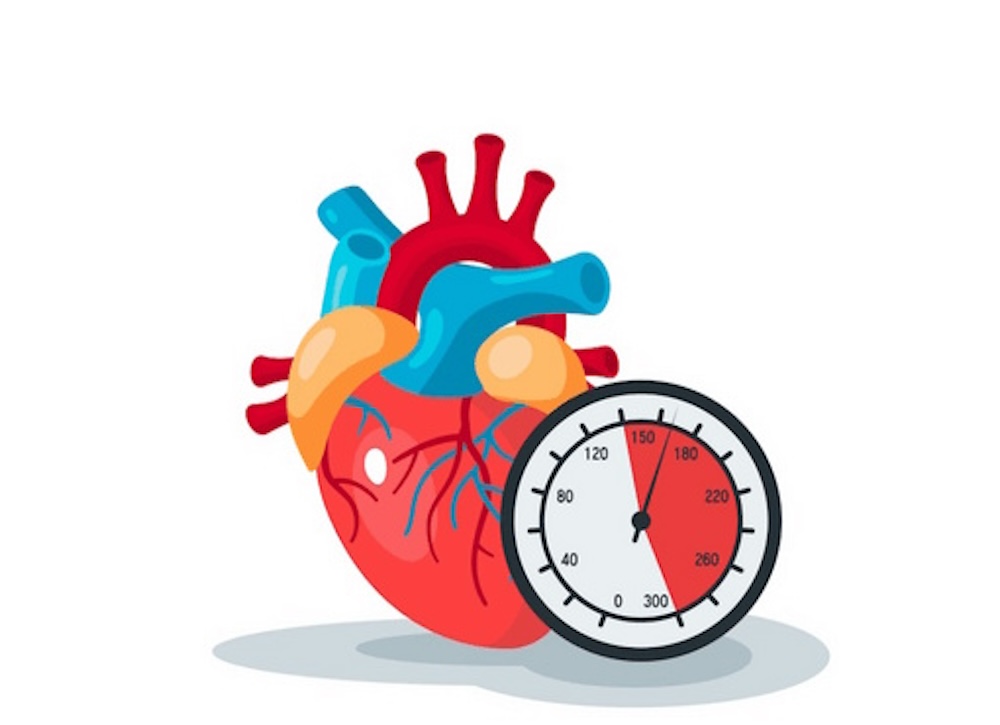
When lifters think about PED risks, they usually picture going bald, high liver enzymes, testosterone shutdown, or maybe gynecomastia. But the two biggest threats when taking steroids are far less obvious: hematocrit and hypertension. Left unchecked, they can quietly sabotage health and cut both careers and lives short, even for people who otherwise “feel fine.” […]Read More
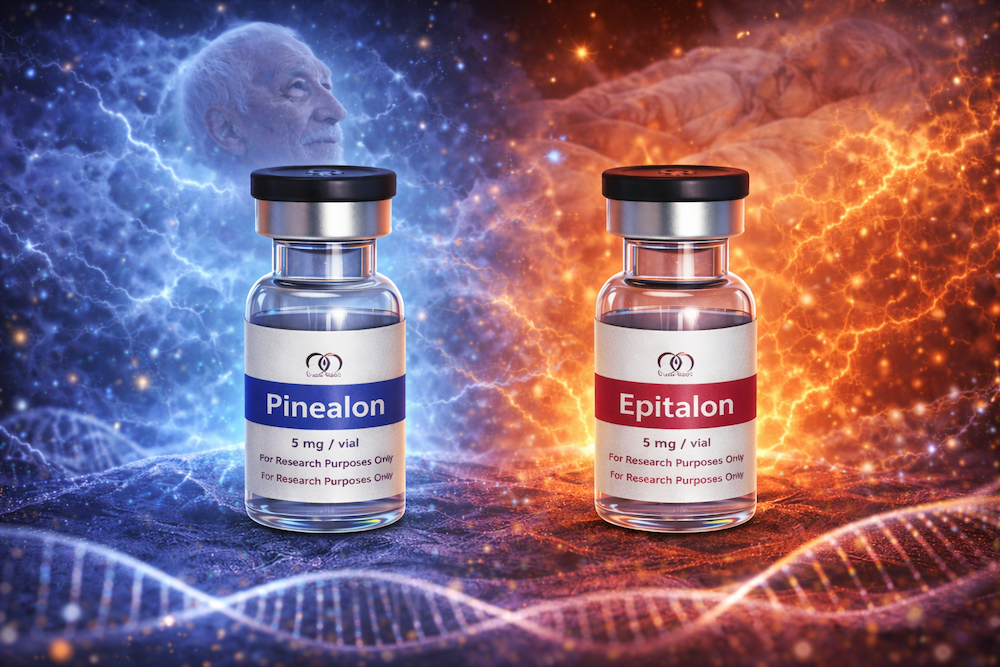
Epitalon and Pinealon are bioregulatory peptides derived from pineal gland research, designed to support healthy aging, circadian rhythm regulation, and neural preservation. While they share a common origin in peptide bioregulation science, their primary mechanisms and applications differ. Understanding those differences allows for more strategic use in longevity, cognitive optimization, and systemic recovery protocols. What […]Read More
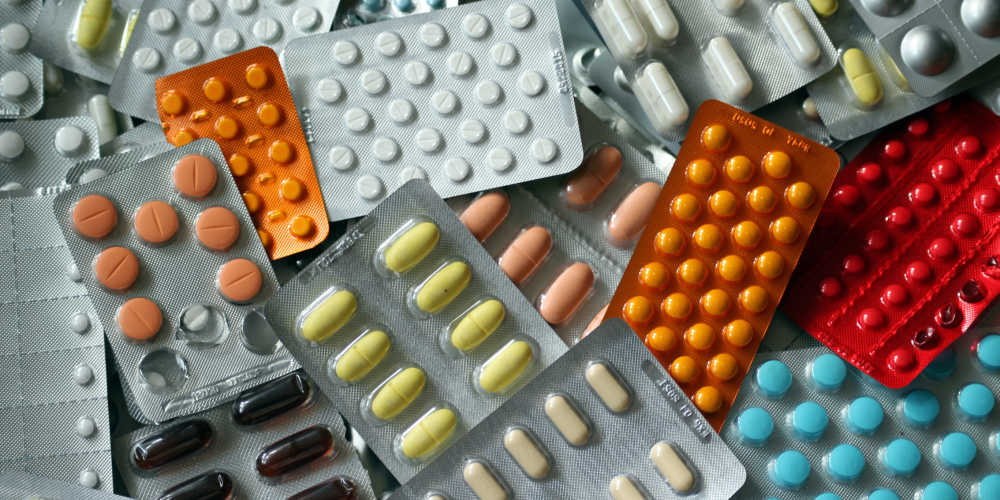
Selective Estrogen Receptor Modulators, better known as SERMs, play a crucial role in both medical practice and enhanced bodybuilding. While they were originally developed to treat conditions like breast cancer and osteoporosis, bodybuilders use them primarily for post-cycle therapy (PCT) and for managing estrogen-related side effects such as gynecomastia. SERMs are not aromatase inhibitors; instead […]Read More
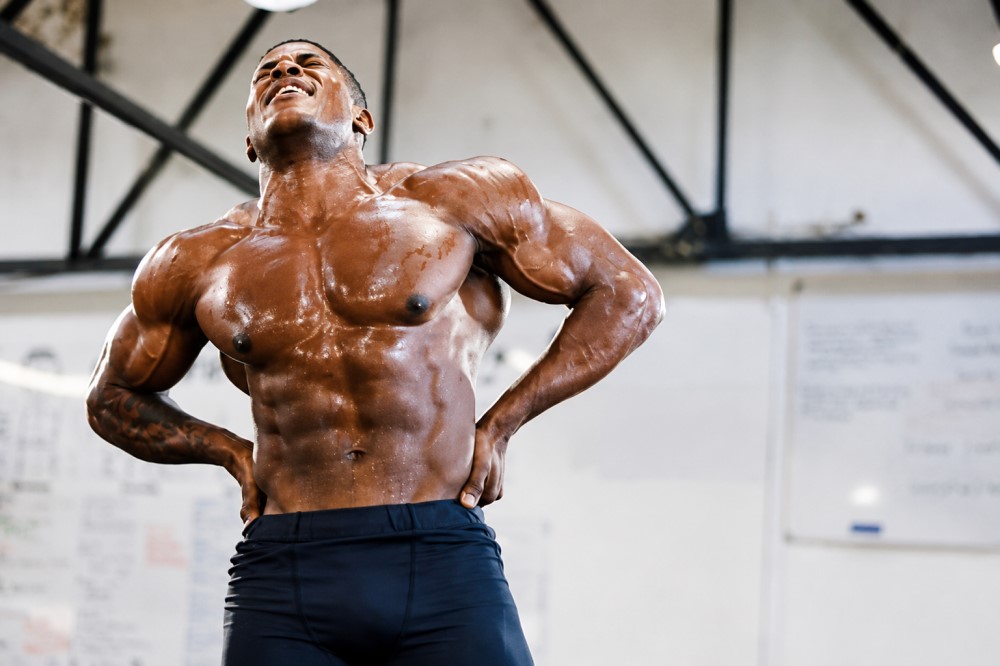
In bodybuilding, size is usually treated as an indicative of everything: strength, experience, discipline, even resilience. The assumption is simply “if someone is bigger, they must recover better. After all, they’ve built more muscle, tolerated more training, and adapted to higher workloads”. In practice, though, the opposite is often the case. As lifters get bigger, […]Read More
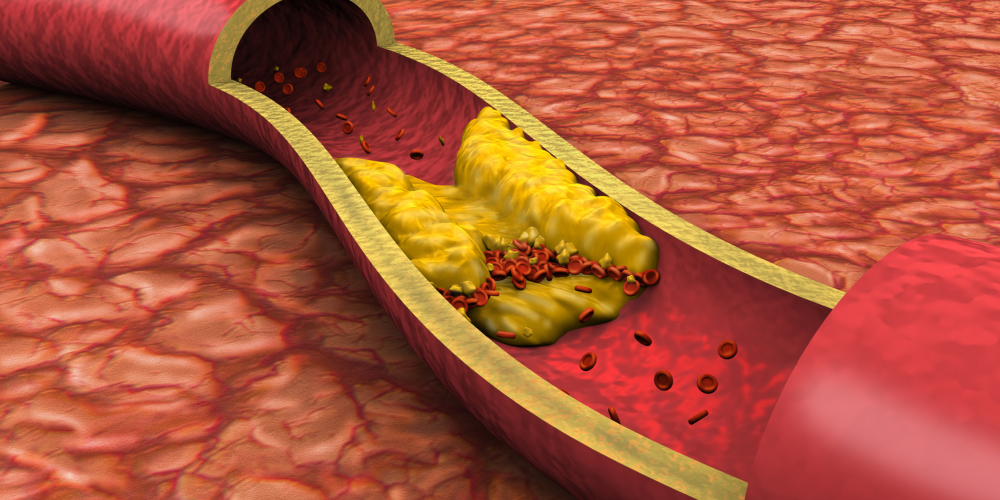
Managing cholesterol is one of the most important yet overlooked aspects of bodybuilding, particularly for enhanced athletes using anabolic steroids. Many compounds, especially oral steroids, significantly lower HDL (the “good” cholesterol) and raise LDL (the “bad” cholesterol), creating an unfavorable lipid profile that increases long-term risk of heart attack, stroke, and vascular disease. For athletes […]Read More