
Left Ventricular Hypertrophy (LVH) is one of the most overlooked and potentially dangerous side effects in the world of enhanced bodybuilding. While gaining mass and strength is the primary goal, few athletes consider the stress high-intensity training and performance-enhancing drugs (PEDs) place on the heart. LVH can develop silently over time, raising the risk of […]Read More

Few sensations in the world of bodybuilding feel as convincing and as joyful as a good pump. Even Arnold Schwarzenegger compared it to having an orgasm: muscles swell, skin tightens, veins rise, everything looks bigger, fuller, and more “on”. For most lifters, pump becomes a shortcut for instant feedback: if the pump was good, the […]Read More
When people think about injectable anabolic steroids, they usually focus on the hormone itself. Testosterone, nandrolone, trenbolone, primobolan, or masteron tend to get all the attention. But one of the most overlooked factors affecting injection pain, inflammation, absorption speed, and even long-term tissue health is the carrier oil. Carrier oils are the base oils used […]Read More
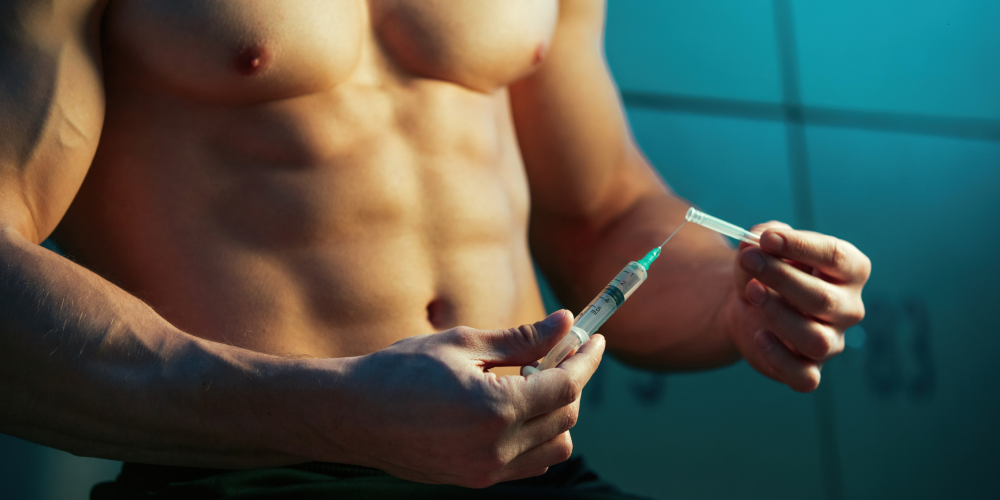
Injectable performance-enhancing drugs (PEDs) are a cornerstone of many enhanced bodybuilding protocols. While the focus is often placed on the benefits and direct side effects of these compounds, less attention is given to the potential complications that can arise from improper injection practices. Injection site issues can range from mild irritation to severe infections requiring […]Read More
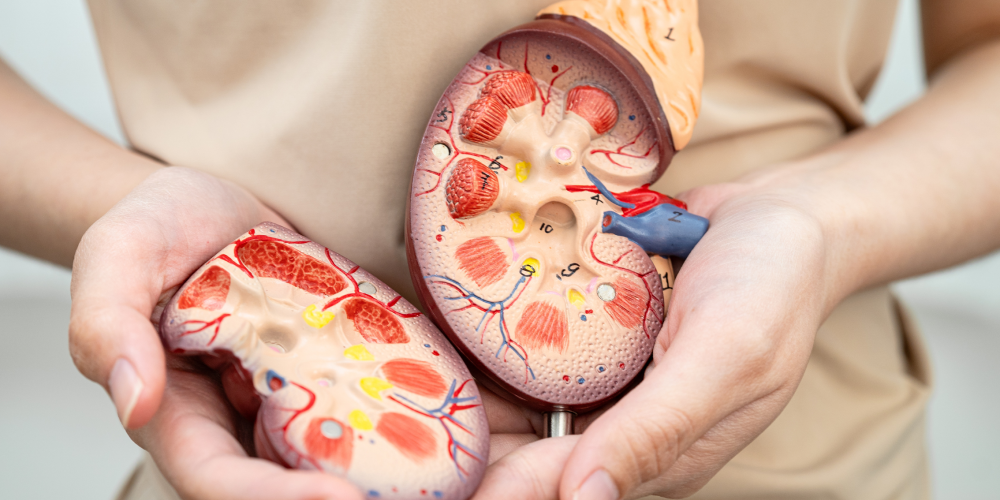
Kidney health is often overlooked in the world of enhanced bodybuilding. While liver toxicity and cardiovascular strain receive more attention, the kidneys quietly endure significant stress from performance-enhancing drugs, excessive protein intake, dehydration, and overtraining. The kidneys are not like the liver, which is easy to repair after AAS abuse; When kidney function declines, the […]Read More
Prolactin is one of the most misunderstood hormones in the bodybuilding and enhancement world. While its name is often associated with lactation and female biology, prolactin plays a significant role in male physiology as well, and it can be heavily influenced by certain performance-enhancing drugs (PEDs), especially 19-nor anabolic steroids. When prolactin levels become elevated, […]Read More
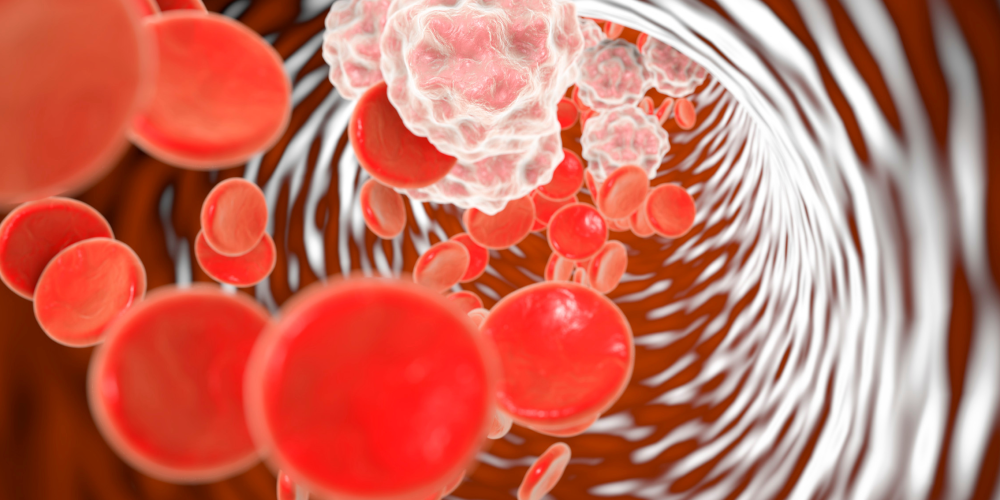
Inflammation is a natural biological response to stress, injury, or infection. In bodybuilding, especially enhanced bodybuilding involving frequent injections of anabolic steroids and other compounds, inflammation can become a hidden but powerful disruptor. From localized injection pain to systemic inflammation reflected in elevated biomarkers like C-Reactive Protein (CRP), managing inflammatory responses is crucial for performance, […]Read More

Hair loss, or androgenic alopecia, is a sensitive and often emotional concern among male bodybuilders—particularly those who use anabolic steroids or other hormonal enhancements. While most athletes begin enhancement protocols to improve their physique, strength, or competitive edge, some are blindsided by the unintended consequence of hair thinning or balding. In a culture where aesthetics […]Read More
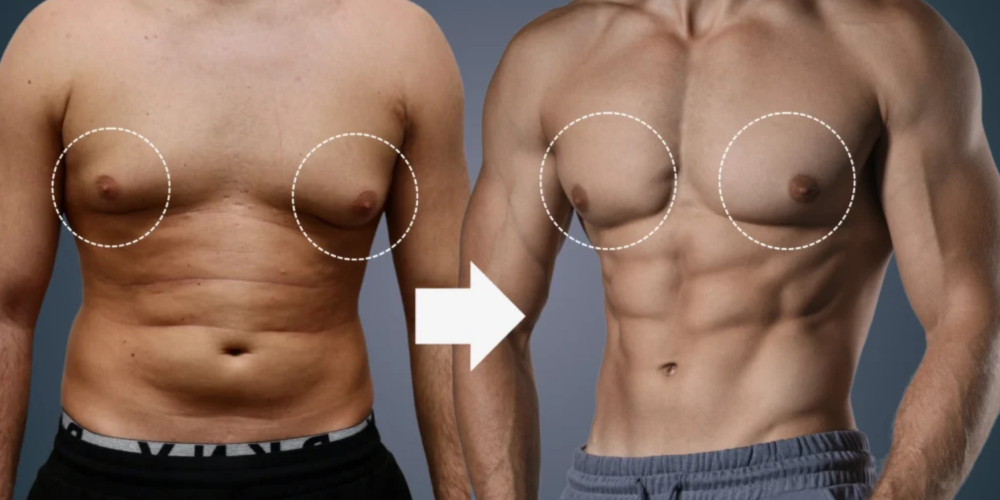
Gynecomastia — commonly referred to as “gyno” in the bodybuilding world — is one of the most feared side effects of anabolic steroid use. For enhanced athletes, understanding how it occurs and how to prevent or treat it is crucial for both aesthetics and long-term health. What is Gynecomastia? Gynecomastia is the abnormal enlargement of […]Read More
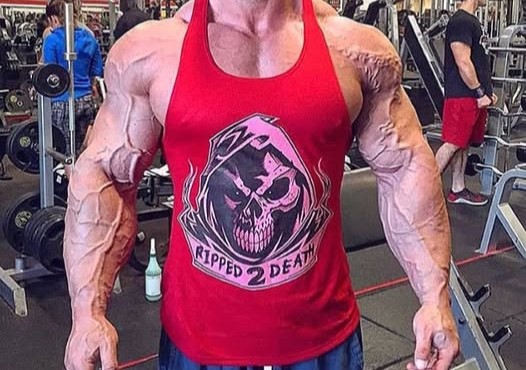
Vascularity (especially those roadmap veins snaking across your arms), even if intuitively, has become one of the most sought-after signs of conditioning in bodybuilding. But behind that “peeled” look is some complex physiology. Veins don’t pop just because of low body fat; they’re the visible product of blood flow, plasma volume, nitric oxide signaling, and […]Read More