
Metabolic adaptation: why fat loss gets harder and harder over time

When you first start a fat-loss journey, results tend to come quickly. The scale drops, clothes fit better, and your energy levels may even improve. Over time, however, progress slows down, and fat loss becomes more and more difficult, even if you’re sticking to your diet and workout plan. This frustrating reality is known as metabolic adaptation, and it’s a natural response of the body to prolonged calorie deficits. Understanding why it happens, as well as how to identify and overcome it can help you break out of plateaus and achieve your fat-loss goals.
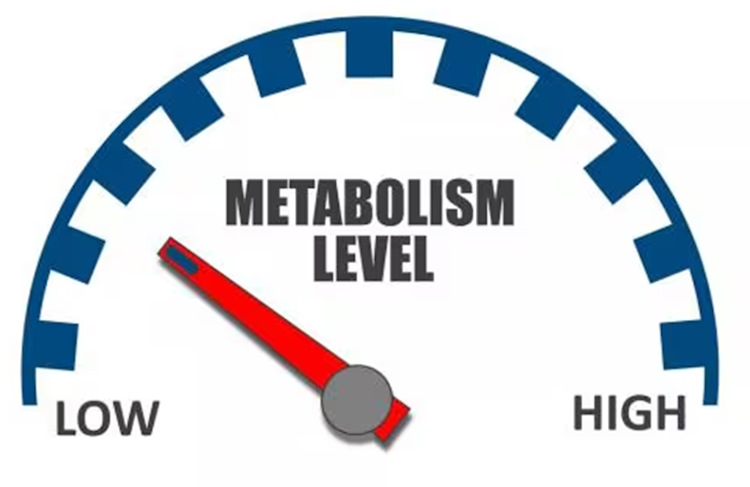
Metabolic adaptation, also referred to as “adaptive thermogenesis,” is the body’s survival mechanism that kicks in during periods of sustained calorie restriction. It involves a reduction in energy expenditure as the body attempts to conserve energy and maintain homeostasis.
This adaptation is the body’s way of protecting itself from what it feels like starvation. While this was beneficial for our ancestors during times when food was scarce, it certainly doesn’t help with modern fat-loss attempts.
What is metabolic adaptation
But why does fat loss slow over time? Several factors contribute to metabolic adaptation during a fat-loss phase:
Decreased resting metabolic rate (RMR)
As you lose weight, your body requires fewer calories to function because there is less mass to maintain. Fat-free mass (muscle) also plays a significant role in RMR, so losing muscle during a calorie deficit can reduce even more your metabolism.
Reduced thermic effect of food (TEF)
TEF refers to the calories burned during digestion. When you eat less food, your body burns fewer calories during digestion.
Lower energy burn during physical activity
With less weight, activities like walking, running, and even lifting weights burn fewer calories because your body is lighter and more efficient. Non-Exercise Activity Thermogenesis (NEAT) or the energy burned through fidgeting, standing, and other non-exercise movements, may also decrease during a prolonged calorie deficit.
Hormonal changes
Hormones like leptin, which regulates hunger and energy expenditure, decrease with fat loss. Lower leptin levels signal to the brain that energy reserves are being depleted, which in turn reduces calorie burn and increases hunger. Other hormones, such as thyroid hormones and testosterone, may also decrease, further slowing metabolism.
There are some classic signs of metabolic adaptation you can look for if you ever suspect it’s happening to you or someone you know:
- Fat-loss plateau: the scale stops moving even though you’re in a calorie deficit;
- Increased hunger: constant cravings and difficulty sticking to your diet;
- Fatigue and lethargy: lower energy levels and reduced motivation to exercise;
- Cold sensitivity: feeling colder than usual due to decreased energy expenditure;
- Mood changes: irritability, frustration, or a lack of focus.
How to combat metabolic adaptation
Now that we understand what is metabolic adaptation and how it can be identified, let’s go over how to combat it:
Prioritize strength training
- Resistance training helps preserve muscle mass, which is key to maintaining a higher resting metabolic rate;
- Focus on compound movements like squats, deadlifts, and bench presses to stimulate multiple muscle groups.
Incorporate diet breaks or refeeds
- Periodic increases in calorie intake (maintenance calories or slightly above) can help restore leptin levels and give your metabolism a temporary boost;
- These breaks can also help with psychological stress associated with dieting.
Adjust calorie intake gradually
- Avoid extreme calorie deficits, as they can accelerate metabolic adaptation;
- Instead, aim for a moderate deficit that allows for sustainable fat loss over time.
Increase NEAT
- Stay active throughout the day by walking, standing, or taking the stairs;
- Tracking steps or setting movement goals can help counteract reductions in NEAT.
Eat more protein
- Protein has a high thermic effect and helps preserve muscle mass during a calorie deficit;
- Aim for 8 to 1 gram of protein per pound of body weight daily.
Manage stress and sleep
- Chronic stress and sleep deprivation can disrupt hormones like cortisol and leptin, making fat loss harder;
- Prioritize 7 to 9 hours of quality sleep per night and consider incorporating stress management techniques, like meditation or yoga.
Monitor and adjust
- Track your progress consistently, including your weight, body measurements, and workout performance;
- If you hit a plateau, reassess your calorie intake, activity level, and how well you can stick to your plan.
When fat loss becomes unsustainable due to metabolic adaptation, reverse dieting can be an effective strategy. This involves gradually increasing your calorie intake, preferably with clean foods, to restore metabolic health while minimizing fat gain. Over time, this approach will help rebuild your metabolism, making future fat loss possible once again and more effective.
All in all, metabolic adaptation is a natural response to dieting, meaning your body is becoming more efficient at doing the same thing, but it doesn’t mean your goals are out of reach. By understanding how your body works and taking a few steps to combat plateaus, you can keep a sustainable rate of fat loss while protecting your metabolic health. As with most things in fitness, patience and consistency are key. Fat loss is a marathon, not a sprint, and building a strong, healthy metabolism will set you up for achieving your goals in the long run.