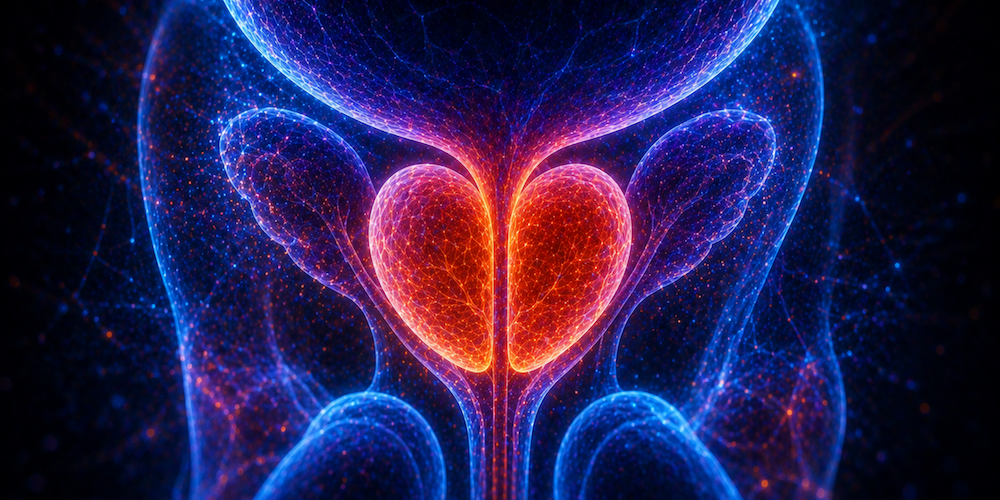
The prostate is a small gland located below the bladder that plays a key role in male reproductive health, helping produce seminal fluid and supporting fertility. Despite its size, it is highly sensitive to hormonal changes, particularly androgens. In enhanced bodybuilding, where androgen exposure is often significantly elevated, prostate health becomes an important but frequently […]Read More
Tags : Anabolic Steroids
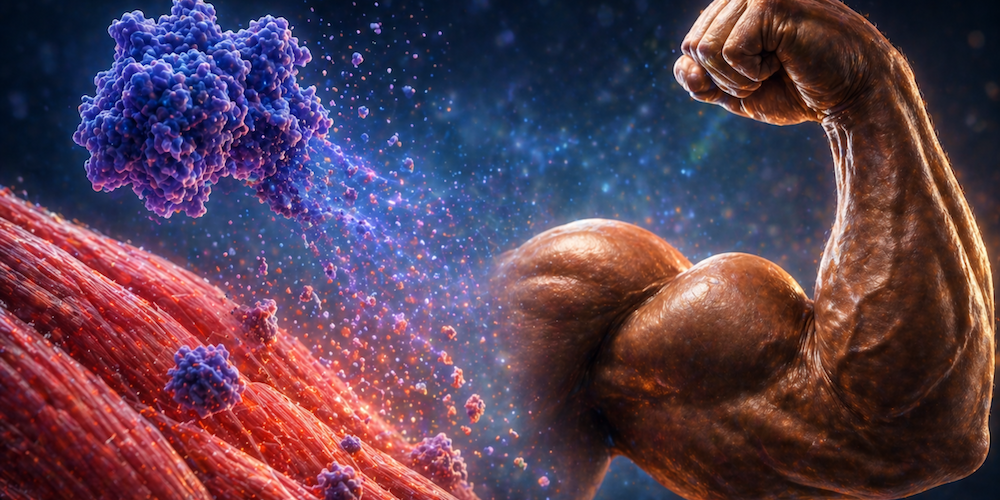
Myostatin is a regulatory protein that acts as a brake on muscle growth. It belongs to the TGF-beta family and is produced primarily in muscle cells. Its role is simple but powerful: prevent excessive muscle hypertrophy. When myostatin levels are high, muscle growth is limited. When myostatin is suppressed, muscle growth can accelerate beyond normal […]Read More
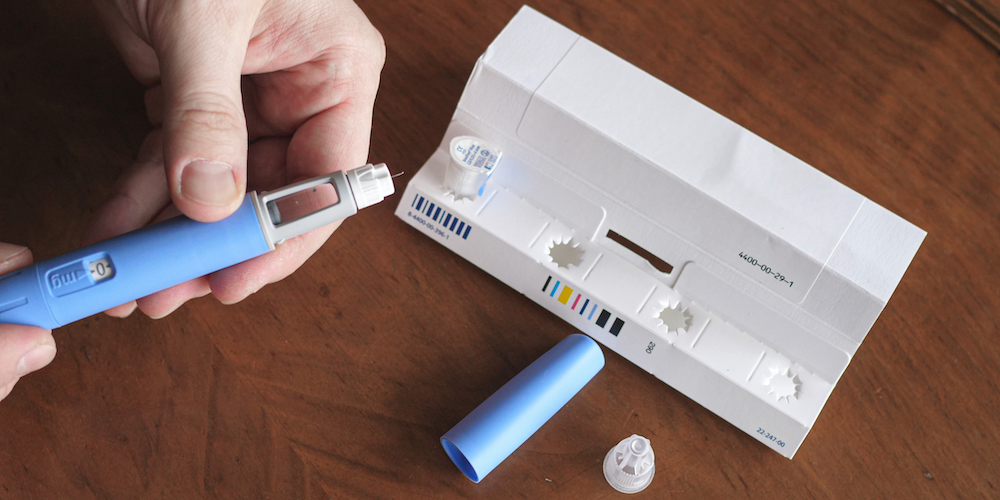
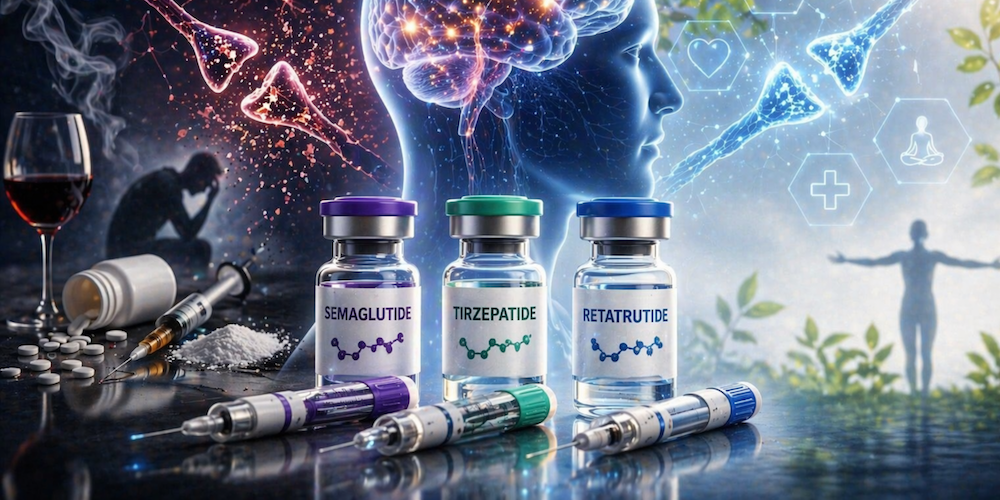
Before semaglutide, tirzepatide, and retatrutide took the world by storm, there was Liraglutide, the first GLP-1 receptor agonist to demonstrate that manipulating incretin hormones could dramatically improve weight loss, glucose control, and metabolic function. Marketed under the brand names Victoza and Saxenda, liraglutide paved the way for the next generation of GLP-based drugs that are […]Read More
Estrogen management is one of the most critical aspects of enhanced bodybuilding. While testosterone and other aromatizing steroids drive muscle growth, they also increase estrogen levels through the process of aromatization. Elevated estrogen can cause water retention, gynecomastia, mood swings, and fat gain. To counter this, bodybuilders often turn to aromatase inhibitors (AIs), which reduce […]Read More
Anabolic steroids are widely used for building muscle, improving strength, and accelerating recovery. While their benefits are well known, one of the less discussed risks is their impact on the immune system. Steroid use can weaken immune defenses, making athletes more vulnerable to infections, slower healing, and systemic health complications. Understanding how this happens and […]Read More
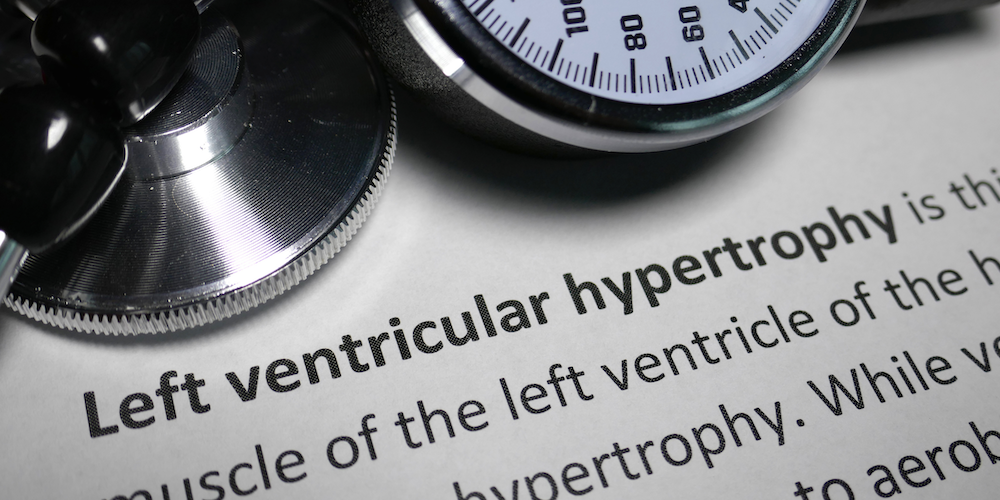
Left Ventricular Hypertrophy (LVH) is one of the most overlooked and potentially dangerous side effects in the world of enhanced bodybuilding. While gaining mass and strength is the primary goal, few athletes consider the stress high-intensity training and performance-enhancing drugs (PEDs) place on the heart. LVH can develop silently over time, raising the risk of […]Read More
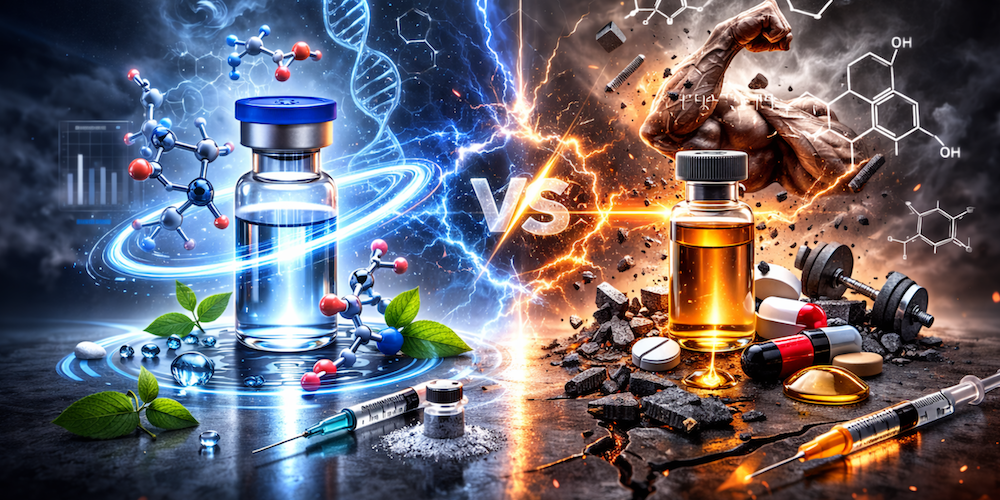
Peptides and anabolic steroids are often grouped together in discussions about performance enhancement, but biologically they operate in fundamentally different ways. While both can influence body composition, recovery, and overall performance, their mechanisms, risks, and long-term implications are not the same. Understanding these differences is essential for anyone interested in optimizing physique, recovery, or longevity, […]Read More
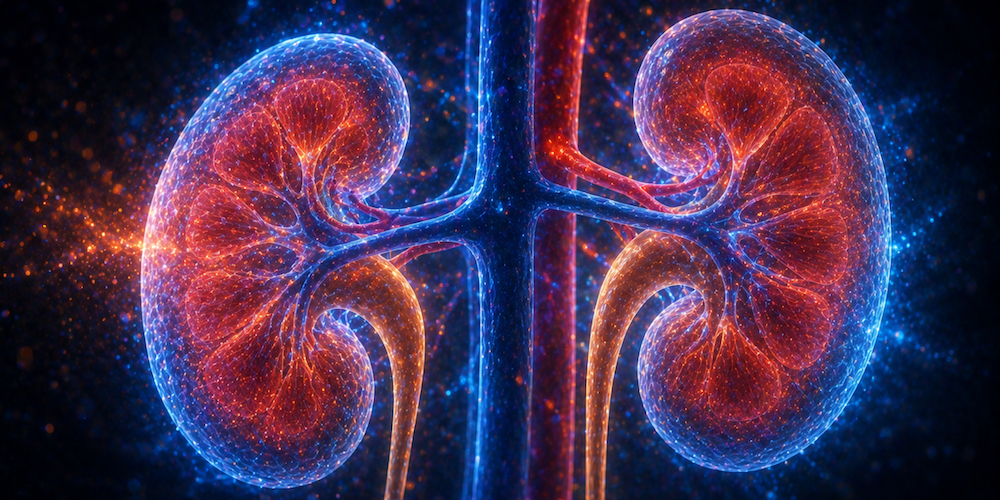
The kidneys are responsible for filtering waste products, regulating blood pressure, balancing electrolytes, and maintaining fluid balance. In enhanced bodybuilding, they are exposed to far more stress than most people realize. High bodyweight, elevated blood pressure, excessive food intake, dehydration, intense training, and certain compounds can all place significant strain on renal function over time. […]Read More
Hyperplasia refers to an increase in the number of muscle fibers, not just their size. This is different from hypertrophy, which is the enlargement of existing fibers. Most lifters build muscle primarily through hypertrophy, making fibers thicker and stronger. Hyperplasia, on the other hand, expands the total number of fibers, effectively increasing the muscle’s growth […]Read More
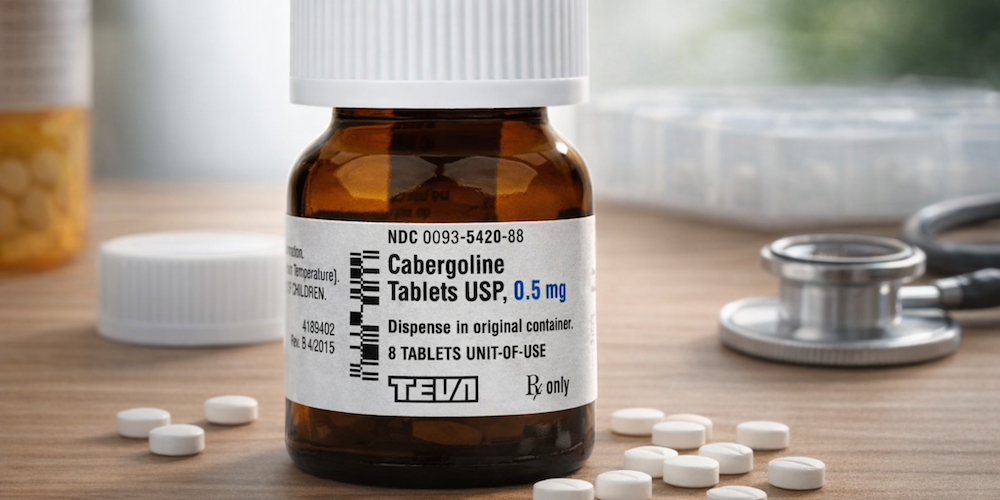
Cabergoline is a potent dopamine agonist primarily used to control elevated prolactin levels. In both medical and performance-focused contexts, it plays a critical role in restoring sexual function, improving mood and motivation, and correcting hormone imbalances driven by excess prolactin. Because prolactin interacts closely with dopamine, testosterone, and libido, cabergoline is often misunderstood or misused. […]Read More