
The end of bro splits? Why full-body workouts may work better

For years, the “bro split”, a.k.a. chest on Monday, back on Tuesday, arms on Wednesday and so forth, dominated gyms worldwide. It made perfect sense: focus on one muscle group at a time, annihilate it, rest, grow. But today, a growing wave of athletes, bodybuilders, and fitness professionals are abandoning the bro split in favor of a full-body approach. Why? Because science, practicality, and results are making the shift easier than ever.
A “bro split” refers to training one major muscle group per day with the goal of maximum volume and fatigue. It’s the classic template for many physique athletes, often with a heavy focus on isolation exercises. This style worked, especially for on-gear bodybuilders who could recover just fine from brutal volume. But it has real drawbacks for the average lifter:
- Low training frequency: each muscle gets hit only once per week, despite scientific evidence showing that recovery often happens in 48–72 hours;
- High per-session fatigue: over-fatiguing a muscle in one session can create diminishing returns and increase exponentially injury risk;
- Wasted recovery potential: if your muscles are ready to train again in 2–3 days, why wait a whole week?
- Life happens: miss “leg day” on a Friday? Good luck catching up. Now your whole training schedule gets thrown off.
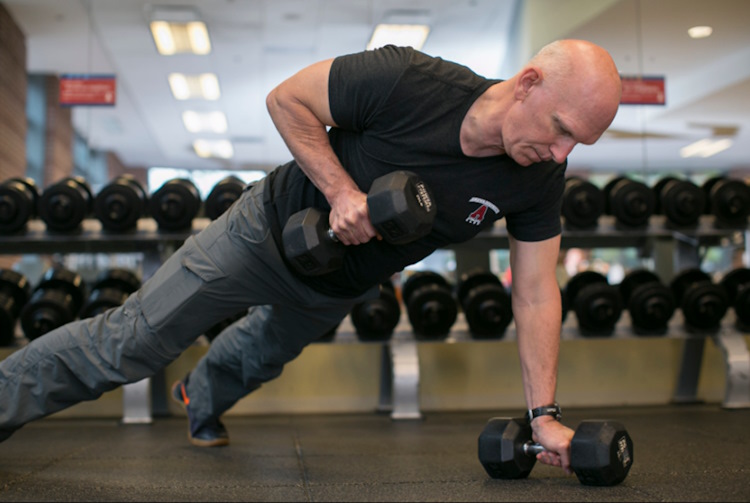
A full-body training
Today, full-body training or simply hitting all major muscle groups multiple times per week is back in the game, not just for beginners but for serious physique and performance athletes. Here’s why it could be the superior option:
Higher training frequency
Muscles grow best when they are stimulated more often, not just smashed once a week. Full-body sessions allow you to hit everything 2–4 times per week, optimizing the anabolic signaling pathways without excessive fatigue.
Better recovery balance
Instead of annihilating one muscle and crippling yourself for days, you distribute training stress more evenly. This creates a sustainable cycle of stimulus and recovery. “Stimulate, don’t annihilate”.
Greater flexibility
Busy week? Miss a day? No problem. Because you’re hitting all muscles each session, you’re never too far behind.
Superior hormonal environment
Training large amounts of muscle mass in one session creates bigger surges in anabolic hormones like growth hormone and testosterone (naturally).
Performance and fat loss friendly
Full-body workouts burn more calories, increase cardiovascular demand, and enhance metabolic health, all crucial for body recomposition and athletic performance.
Follow these guidelines to structure a full-body program basic framework:
- 3–4 days per week
- 5–7 exercises per session
- Prioritize compound movements (squat, deadlift, press, pull, hinge, carry)
- Vary the intensity and focus across the week (heavy/light/medium days)
Here’s an example weekly setup:
- Day 1: squat, bench press, pull-ups, core work;
- Day 2: RDLs, overhead press, rows, arms;
- Day 3: bulgarian split squats, incline DB press, lat pulldowns, rear delts.
Simple, brutal and effective.
So, are bro splits dead? Not entirely. Advanced or enhanced bodybuilders prepping for shows might still benefit from highly targeted work. There’s also a mental satisfaction to crushing an “arm day” that shouldn’t be overlooked, as it may help with adherence. But for 90% of lifters, especially natural athletes who want aesthetics, strength, and long-term gains, full-body training is simply the smarter way to do it.
All in all, we come to the conclusion that the era of endless curls and isolated “chest days” is fading. Full-body training isn’t just for newbies, it’s a high-performance, high-efficiency way to build muscle faster, recover smarter, and train for life. If you want a strong, athletic, aesthetic physique without living in the gym or wasting recovery potential, it might be time to leave the bro split behind and get yourself to some full-body action.