
7 reasons why you might be struggling to stay lean after a cycle

Coming off a cycle can feel like hitting a brick wall: strength takes a big hit, pumps disappear, and no matter how clean your diet is, fat just starts coming back, especially around the midsection.
It’s not just about willpower or training intensity. When you stop taking performance-enhancing drugs (PEDs), your metabolism, hormones, and nutrient partitioning all shift dramatically. Understanding why this happens can help you manage it instead of fighting it blindly.
Hormones crash (and so does your metabolic rate)
Anabolics like testosterone and its derivatives elevate your basal metabolic rate (BMR) by increasing muscle mass, thyroid conversion (T4 into T3), and even nervous system activity. When you come off cycle:
- Testosterone crashes, reducing muscle protein synthesis;
- Thyroid activity slows down, lowering even further daily energy needs;
- Cortisol rises, promoting fat storage (especially dangerous visceral fat).
Even if you keep your training and calories the same, your body suddenly burns fewer calories per day, setting the stage for rapid fat gain.
Muscle retention drops
Muscle tissue is metabolically expensive. The more you have, the more calories you burn at rest. Off cycle, reduced endogenous androgens mean it’s harder to maintain muscle mass especially, without exogenous testosterone.
In the end, less muscle equals lower total daily energy expenditure (TDEE). And since appetite often stays high (due to ghrelin rebound and the habit of eating a lot of food), most lifters overshoot by far their new maintenance level without even realizing it.
Insulin sensitivity declines
On cycle, androgens and growth hormone enhance glucose uptake and glycogen storage, improving nutrient partitioning, meaning calories typically go toward muscle tissue, not fat.
After cycle, this reverses: insulin sensitivity drops, especially in muscle tissue. Fat cells remain highly insulin-sensitive, soaking up excess glucose and water, increasing in size.
The result of this balance: less glycogen storage, more fat gain, and softer fullness instead of the hard, dry look seen on-cycle.
Estrogen rebounds and water retention
During recovery, estrogen often rebounds before testosterone levels stabilize. This shift in androgenic dominance can cause water retention, bloating, a softer, puffier appearance and increased fat deposition in estrogen-sensitive areas (hips, lower abs, chest). Even when total body fat hasn’t changed much, these effects make you look and feel like you’ve gained significantly more.
Training recovery takes a hit
Without PED support, recovery slows, protein synthesis decreases, CNS fatigue lasts longer and fatigue from training builds up faster. This forces most lifters to reduce training volume or intensity, further lowering calorie output. Remember, your metabolism is already slower and now it’s easy to see why you start storing fat.
Appetite and cravings spike
An often-overlooked effect of coming off cycle is ghrelin rebound (aka the hunger hormone). While androgens tend to blunt appetite, lower testosterone and higher cortisol increase hunger and carb cravings. You eat more, move less, and burn fewer calories: the perfect recipe for fat gain.
The psychological factor
On cycle, motivation, drive, and confidence go through the roof: hormones like dopamine and DHT fuel aggression under the bar and focus.
When those drop post-cycle, training intensity and discipline often fade. Even minor slip-ups (extra meals, skipped cardio) add up when your metabolism is already slower.
You can’t stop all of these shifts, but you can manage them:
- Taper calories slowly: don’t jump straight back to pre-cycle bulking intake;
- Maintain cardio work, focus on low-intensity steady-state (LISS) to support fat oxidation and heart health;
- Prioritize protein (2g/kg) and keep carbs targeted around pre and post workout meals;
- Support hormones naturally: consider taking DHEA, vitamin D, zinc, and of course make sure you have sufficient sleep;
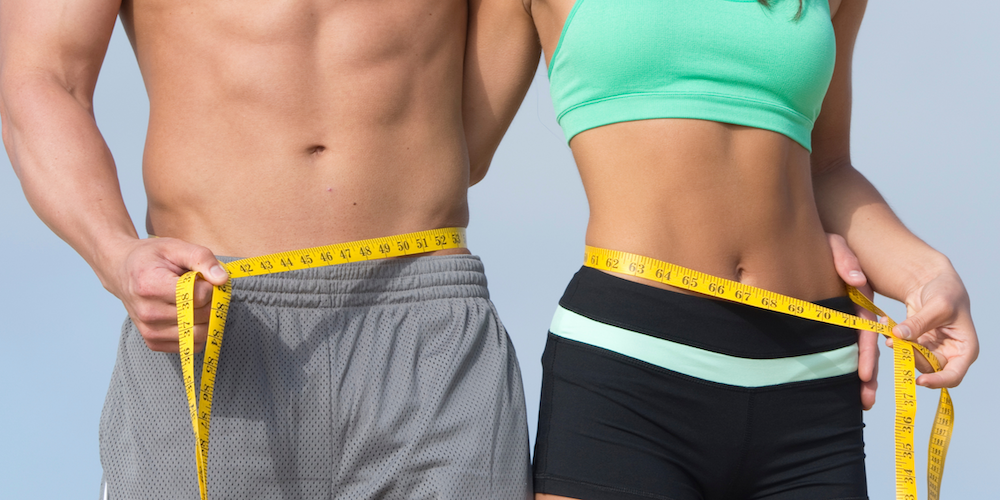
- Track bodyweight and waist weekly. See any trend before it gets out of hand;
- Stay patient: hormonal balance can take 8–12 weeks to normalize.
We can all see the struggle to stay lean off cycle isn’t weakness, it’s as simple as biology itself. Your body is evolutionarily designed to restore equilibrium, to reach homeostasis, and the enhanced state you were just in is anything but “normal.” Understanding how hormones, metabolism, and nutrient partitioning change after a cycle allows you to transition smarter, retain more muscle, and keep your hard-earned leanness.