If there’s one hormone lifters love to demonize (or everybody, really), it’s cortisol. Say the word and people instantly think “muscle loss,” “catabolic,” or “stress hormone.” But this black-and-white view is completely wrong, and it might hold you back more than cortisol itself ever could. Cortisol isn’t the enemy. Without cortisol, you wouldn’t grow, recover, […]Read More
Tags : Water Retention
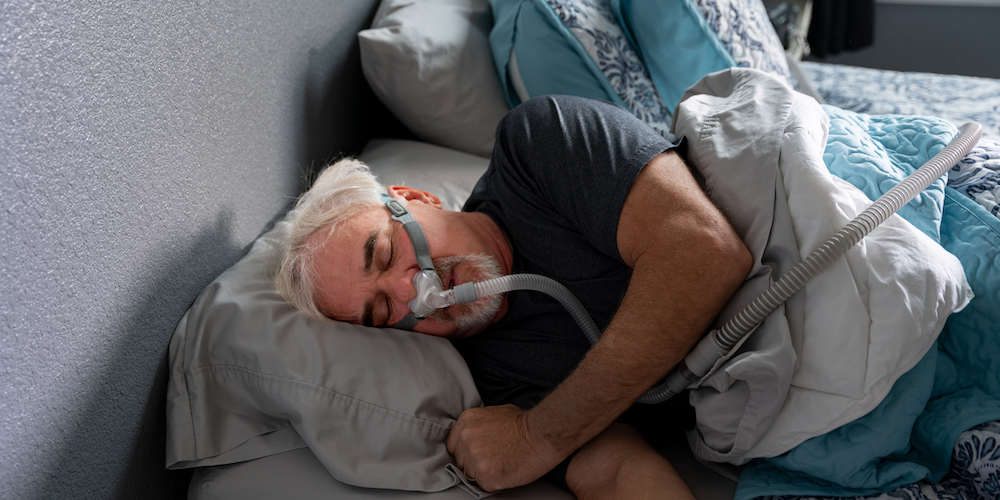
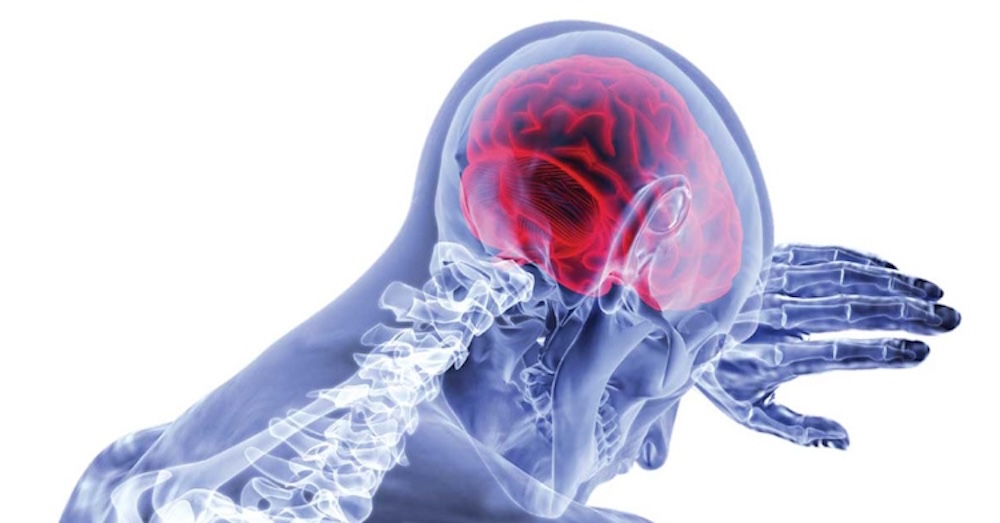
Sleep apnea is one of the most underdiagnosed but serious health risks in bodybuilding, particularly for enhanced athletes. While it is commonly associated with obesity in the general population, bodybuilders are uniquely susceptible due to increased muscle mass, thick neck circumference, and the side effects of anabolic steroid use. Left untreated, sleep apnea can compromise […]Read More
Coming off a cycle can feel like hitting a brick wall: strength takes a big hit, pumps disappear, and no matter how clean your diet is, fat just starts coming back, especially around the midsection. It’s not just about willpower or training intensity. When you stop taking performance-enhancing drugs (PEDs), your metabolism, hormones, and nutrient […]Read More
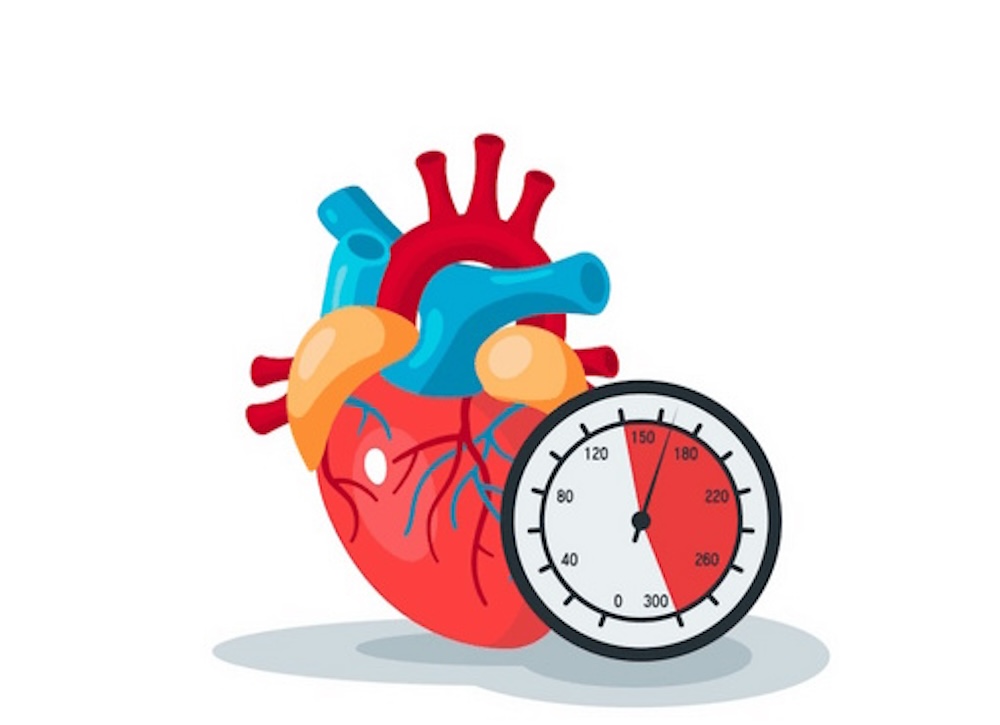
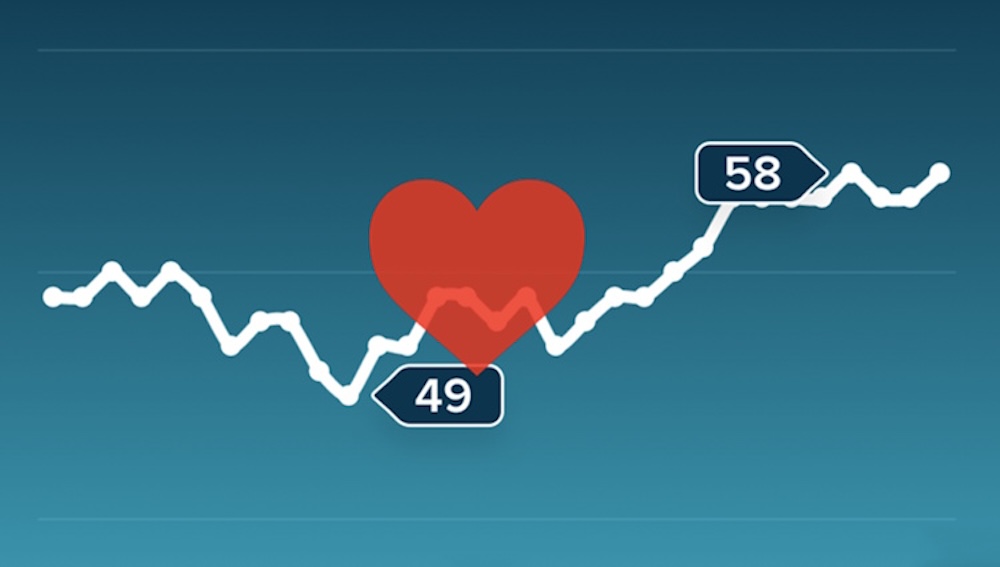
When lifters think about PED risks, they usually picture going bald, high liver enzymes, testosterone shutdown, or maybe gynecomastia. But the two biggest threats when taking steroids are far less obvious: hematocrit and hypertension. Left unchecked, they can quietly sabotage health and cut both careers and lives short, even for people who otherwise “feel fine.” […]Read More
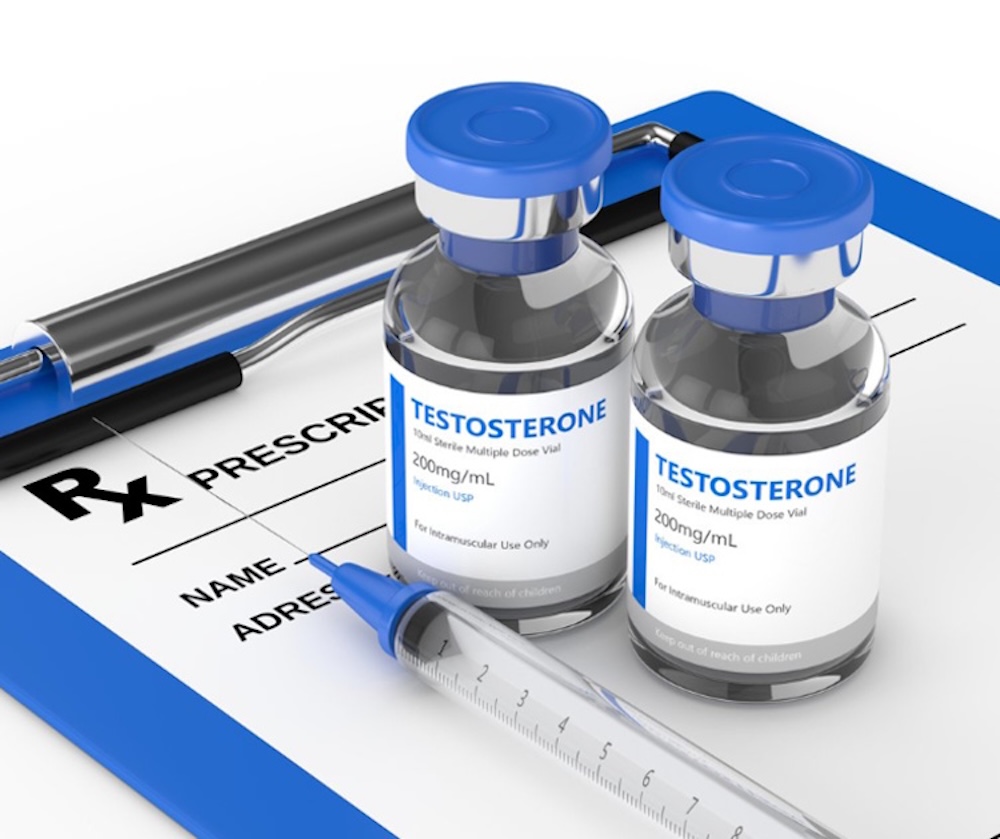
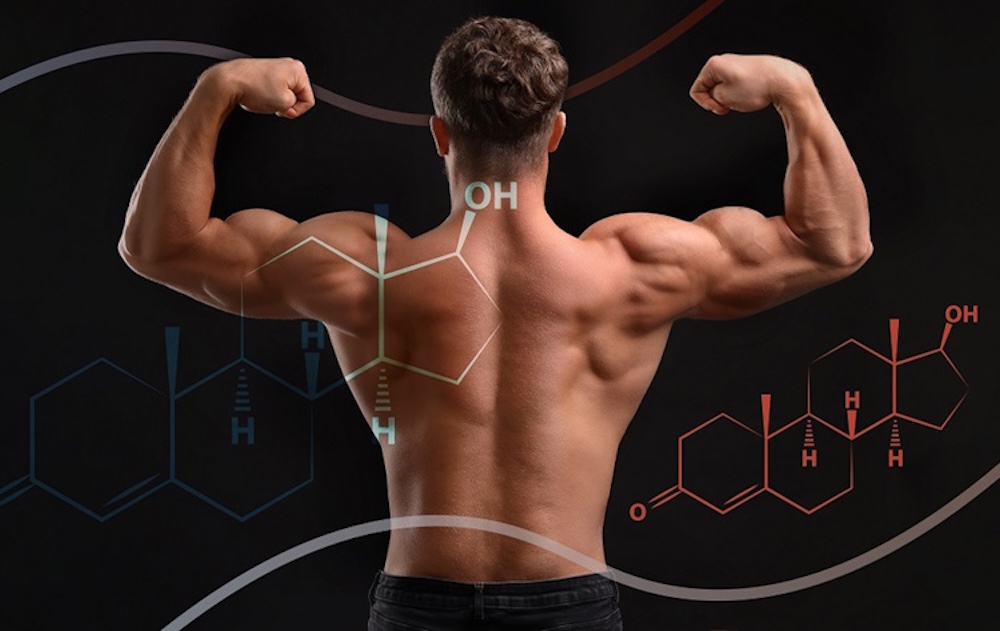
Testosterone is generally treated as the safest variable in performance enhancement. If a cycle feels off, people blame everything except the test: estrogen, prolactin, sleep, stress, diet, training volume and the list goes on. The assumption is very simple: testosterone is the foundation, so increasing it won’t be an issue and will only bring more […]Read More
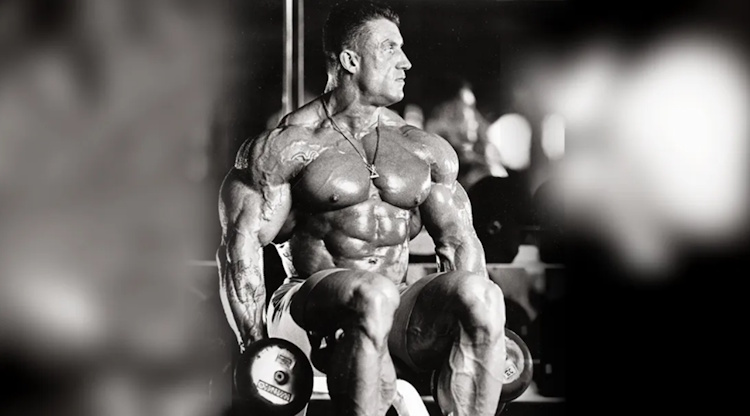
Not all muscle looks the same. Two lifters can weigh the same, have similar measurements, and yet look dramatically different. One appears full and bloated; the other sharp, dry, and granite-like. The difference? Muscle hardness, or what many call “density” or the “dry look.” This article breaks down what gives muscles that hard, mature appearance, […]Read More