Why some compounds kill your appetite (and others increase it)

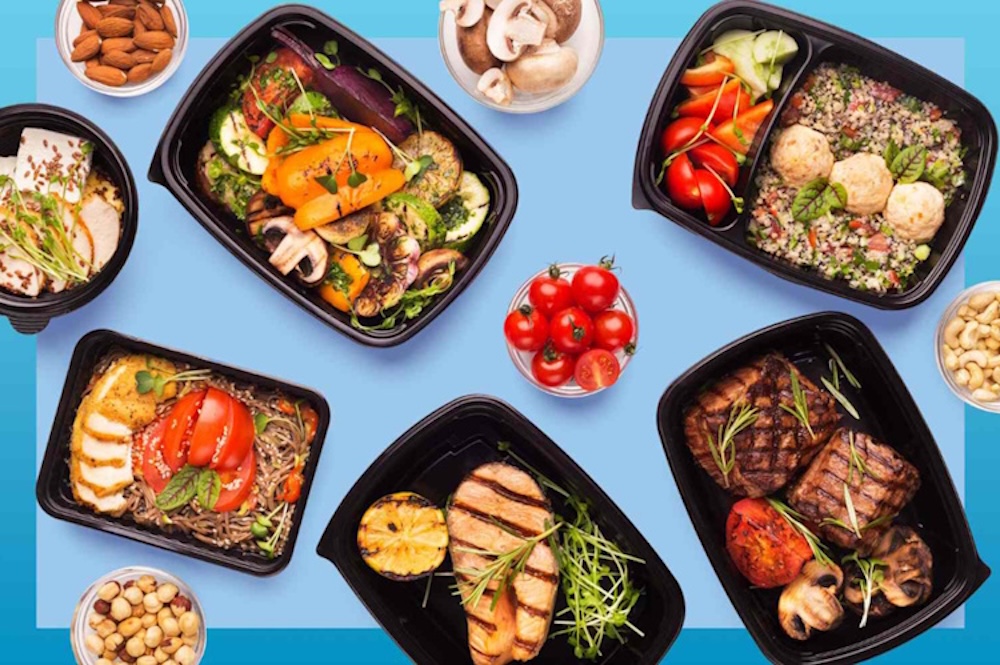
One of the fastest ways people realize compounds aren’t just interchangeable is appetite. Some drugs make eating effortless, meals disappear and hunger feels constant, almost aggressive. Others do the opposite: food becomes a chore, digestion slows, and even small meals feel heavy and you take too long to be hungry again. Calories drop without intention, and of course progress, in the best of cases, just stalls.
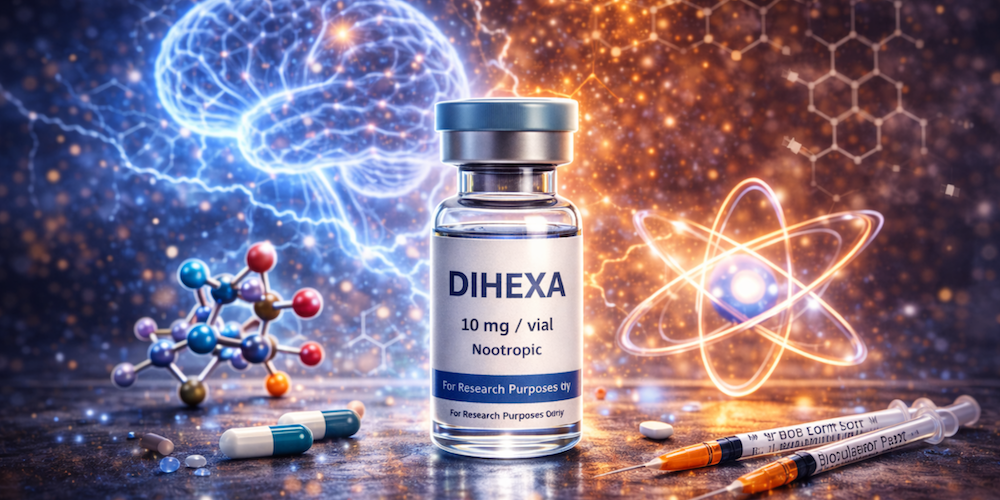
Most people explain this in simple terms like “this compound suppresses appetite,” “that one increases it.” That explanation is true, but incomplete. Appetite isn’t a single switch: it’s the outcome of brain signaling, gut motility, blood flow, inflammation, and stress hormones all talking to each other. Different compounds push on different parts of that system. The biggest mistake is assuming appetite changes start in the stomach. They don’t. It all starts in the brain.
Why Some Compounds Increase Appetite
Some compounds increase hunger because they improve the brain’s perception of energy availability. Dopamine tone rises, training feels productive, cortisol is better controlled, and the body interprets that environment as safe to grow. Hunger follows naturally. Eating more is natural because the system expects and knows what that food will be used for.
Why Some Compounds “Kill” Appetite
Other compounds do the opposite: they overstimulate the nervous system, elevate stress hormones, or mess with reward signaling. Even if calories are needed, the brain doesn’t ask for them. Appetite drops not because digestion is broken, but because the system is in a mild fight-or-flight state. Eating becomes something secondary. This is why two lifters can run the same calories on paper and get wildly different results depending on what’s in the stack.
The Role of Digestion
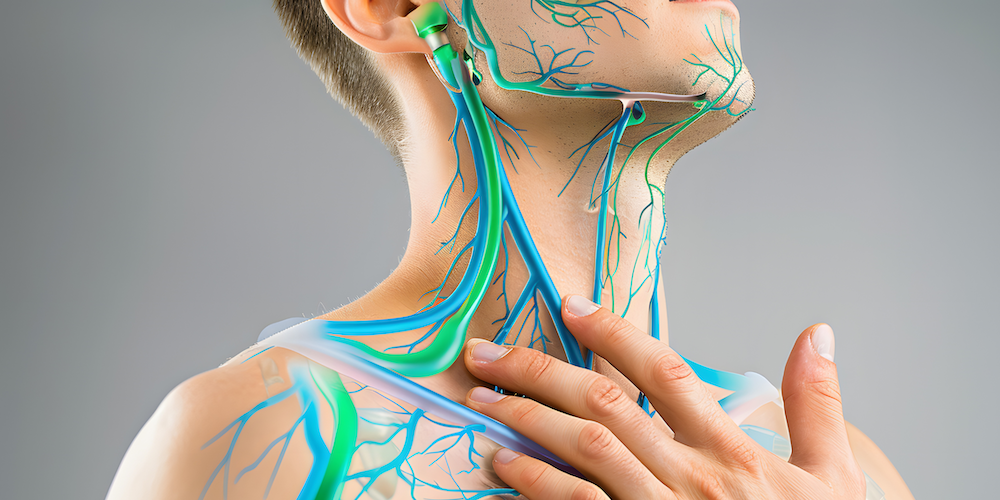
Digestion plays a secondary, but still very important role. Some compounds increase gastric emptying and intestinal blood flow: meals move smoothly, bloating is minimal and hunger returns quickly. Others slow everything down: food sits longer, reflux increases, and abdominal pressure builds up. Appetite drops because eating is associated with feeling uncomfortable, not because hunger hormones just disappeared. You usually see both these extremes as:
- effortless eating with fast return to hungry state;
- early satiety and long-lasting fullness;
- bloating without increased food intake;
- hunger present mentally, absent physically;
- or the opposite: physical hunger with no desire to eat.
These patterns aren’t random. They reflect which systems are being stressed.
Inflammation Matters…
There’s also an inflammation component most lifters ignore: some compounds quietly irritate the gut lining or increase systemic inflammation. When that happens, appetite suppression is a protection mechanism. The body doesn’t want more food input while it’s dealing with internal stress. This is often misread as “bad digestion” when it’s really digestive stress signaling.
…and so does Insulin Sensitivity
On the other end, compounds that improve insulin sensitivity and nutrient partitioning have the tendency to enhance hunger. When glucose handling is efficient and muscles are receptive, the body actively seeks and uses fuel all the time. Hunger becomes a growth signal instead of background noise. This is why appetite is often a better real-time indicator of how a cycle is being tolerated than pumps or strength. The practical problem is that lifters try to force appetite instead of interpreting it. They add liquid calories, digestive aids, or stimulants without asking why hunger changed in the first place. Sometimes that will work, at least for a while. More often than not, it will just layer more stress on an already overworked system. Loss of appetite isn’t always a problem to solve at any cost. Sometimes it’s feedback.
Likewise, extreme hunger isn’t always a blessing. It can reflect improved nutrient handling, or it can reflect poor blood sugar control and hormonal volatility. Context and other variables always matter.
The real takeaway here is simple: appetite is a signal, not a side effect. Compounds don’t just change how much muscle you can build; they also change how your body wants to be fed. Ignoring that leads to forced eating, poor digestion, and eventually stalls progress. Understanding why a drug increases or suppresses appetite tells you more about how it’s acting within your systems than any arbitrary calorie target ever will.
As a rule of thumb, if eating feels effortless, the environment is probably supportive of growth. If eating feels forced, something is already being pushed too hard. Listening to that difference is one of the fastest ways to train (and cycle) like someone who knows what they’re doing.