
HMG – the ultimate fertility aid

Human Menopausal Gonadotropin (HMG) is a powerful injectable hormone used to restore and enhance natural testosterone production and sperm development. In both medical and performance contexts, HMG plays a unique role because it directly stimulates the testes rather than working indirectly through the brain. For individuals concerned with fertility, testicular atrophy, or full hormonal recovery after suppression, HMG is one of the most effective tools available.
WHAT IS HMG?
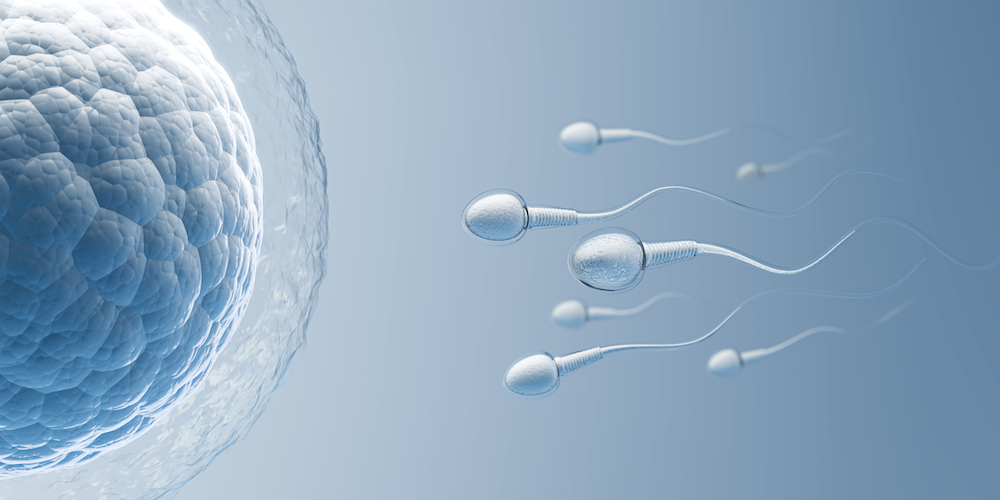
HMG is a purified gonadotropin extracted from the urine of postmenopausal women. It contains a combination of luteinizing hormone (LH) and follicle-stimulating hormone (FSH). These are the same two hormones naturally released by the pituitary gland to regulate testicular function. LH stimulates Leydig cells in the testes to produce testosterone, while FSH stimulates Sertoli cells, which are essential for sperm production and maturation.
MECHANISM OF ACTION
HMG bypasses the hypothalamus and pituitary and acts directly on the testes. The LH component increases intratesticular testosterone, which is critical for both hormone production and fertility. The FSH component drives spermatogenesis by supporting Sertoli cell activity and sperm maturation.
This dual action is what separates HMG from compounds that only stimulate testosterone indirectly. It restores the entire testicular environment rather than just serum hormone levels.
BENEFITS OF HMG
HMG increases intratesticular testosterone, restores sperm production, improves sperm quality and motility, and reverses testicular atrophy. It supports full endocrine recovery rather than partial hormone normalization. Many users also report improved libido and testicular fullness as function returns. When fertility is the priority, HMG is considered the gold standard intervention.
USES OF HMG
HMG is most commonly used in male fertility protocols, especially in individuals who have been suppressed by long-term testosterone or anabolic steroid use. When natural LH and FSH production has been shut down for extended periods, the testes lose responsiveness. HMG helps recondition testicular tissue and restart full function. It is often used after or alongside HCG to complete fertility recovery. In medically supervised settings, HMG has been shown to successfully restore sperm production even after years of suppression.
In performance-focused settings, HMG is primarily used by individuals who want to preserve or restore fertility while remaining hormonally optimized. It is sometimes introduced after long cycles, during fertility-focused breaks, or as part of a comprehensive recovery plan. Unlike SERMs, which rely on pituitary signaling, HMG works even when central signaling is impaired. This makes it particularly valuable for individuals who do not respond well to clomiphene or enclomiphene alone.
COMPARISON TO HCG
HMG is often compared to HCG, but they are not interchangeable. HCG mimics LH only and increases testosterone production but does not directly stimulate sperm production. HMG provides both LH and FSH activity, making it far superior for fertility restoration. While HCG can help prevent testicular shrinkage and maintain testosterone during suppression, HMG is required when the goal is to restore or maximize sperm count and quality.
DOSING AND ADMINISTRATION
HMG is administered through subcutaneous injection. Most users begin with a dose of around 25iu twice a week, and go as high as 50iu twice a week, for up to 8 weeks at a time.
SIDE-EFFECTS AND CONSIDERATIONS
When used appropriately, HMG is well tolerated. Side effects are uncommon but can include mild injection-site irritation or estrogen-related symptoms if dosing is excessive. Because it is a biologically identical hormone, it does not cause long-term suppression when discontinued. Proper medical-grade sourcing and sterile technique are critical.
HMG is not typically used as a first-line recovery tool due to cost and availability. It requires injection and is more complex than oral SERMs. Because it directly stimulates the testes, improper use can increase estrogen if testosterone rises rapidly. Monitoring and proper protocol design are essential. HMG is best reserved for fertility-focused goals or severe long-term suppression rather than casual hormone support.
HMG is one of the most powerful tools available for restoring fertility and full testicular function. By delivering both LH and FSH directly to the testes, it addresses the root of hormonal suppression rather than relying on indirect signaling. For individuals recovering from long-term suppression or prioritizing fertility alongside hormonal optimization, HMG remains unmatched in effectiveness and reliability.