Performance post-cycle: how to train and live through the crash

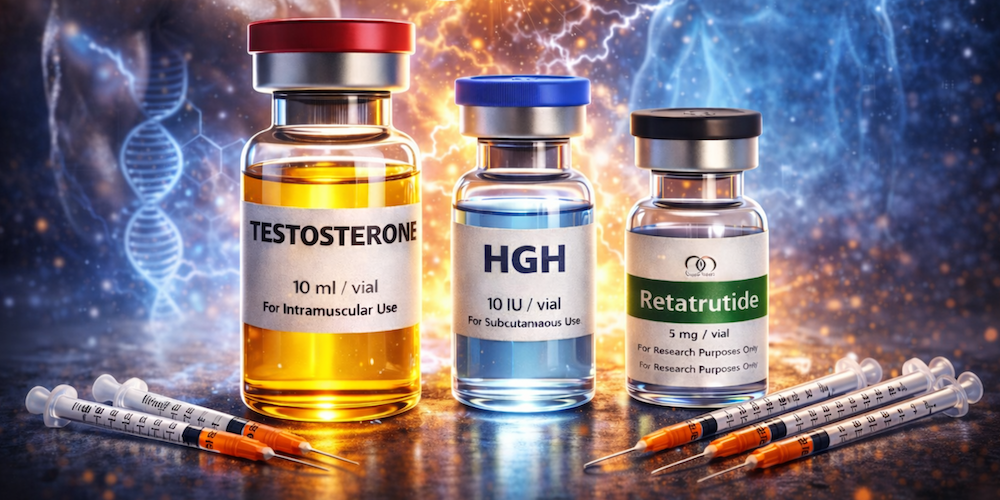
Coming off a cycle of performance-enhancing drugs (PEDs) can feel like slamming the brakes hard after speeding downhill. Strength goes away, pumps disappear, and recovery just takes forever. This post-cycle crash is both physiological and psychological, and it can very quickly mess with months of progress if not handled correctly.
The key isn’t to chase your “on-cycle” numbers, as they will be nearly impossible to reach. Instead, adapt training the most effective way possible so you can preserve your hard-earned muscle, protect joints, and rebuild natural performance.
Why the crash happens
First of all, let’s go over some of the reasons as to why the crash happens after coming out of a chemically enhanced state:
- Hormones: natural testosterone production is heavily suppressed, lowering strength, altering mood, and significantly reducing recovery.
- CNS fatigue: heavy training under PEDs stresses the central nervous system, which now lacks the same chemical support to maintain the previous level of performance;
- Water and glycogen: muscles will look and feel flatter, reducing size and the pump during training;
- Psychological effects: going from supercharged progress to a suppressed state can (and probably will) make you feel like a hot pile of shit.
5 measures that help
Because of these effects, training won’t be the same right after you’re done with your cycle. Here are 5 tips you can use to try and adjust it right away:
- Drop the loads
Unless you’re either a freak or a very poor responder, you won’t match your peak numbers, and that’s okay. There’s absolutely no problem in maxing to 70–80% of your on-cycle loads during reset training;
- Prioritize recovery
- Cut training volume by at least 20–30% for a while;
- Focus on quality of movement and proper contraction over quantity;
- Add sleep, mobility, and active recovery if you can;
- Shift focus
Instead of strength PRs, chase:
- Hypertrophy with moderate loads at a higher rep range;
- Conditioning to improve cardiovascular health and overall metabolism;
- Technique work for long-term strength carryover and injury prevention;
- Joints and tendons
PEDs make connective tissue feel stronger than it is, which can be very dangerous. Even if your muscles can handle the new loads, joints and tendons probably cannot. Post-cycle, reduce heavy and explosive lifts, as well as add accessory work for joint stability.
- Deload intelligently
Schedule frequent deloads in the first 6–8 weeks post-cycle. Don’t wait until burnout hits.
Eating at maintenance calories (and adjusting frequently) may be a good idea. Supplements may help you recover and bounce back faster.
Mindset matters
As hard as it gets, post-cycle is where many lifters quit. But it’s also the period that separates short-term results from long-term development. Instead of comparing yourself to your on-cycle peak, compare yourself to your baseline before the cycle. If you come out leaner, stronger, or healthier than before, that’s a win and what you should be aiming for. Obsessing about your enhanced performance while on a hormonal crash will only worsen the psychological dark cloud you’ll be going through.
The post-cycle crash is unavoidable, but it doesn’t have to completely wreck your progress. By adjusting expectations, modifying training, and supporting recovery, you can maintain muscle, protect your health, and prepare your body for future growth or another cycle if you choose that road. PEDs make you stronger, but training smart and having a plan afterwards makes you a better athlete and lifter.