Sleep Apnea in bodybuilding – an overlooked risk

Sleep apnea is one of the most underdiagnosed but serious health risks in bodybuilding, particularly for enhanced athletes. While it is commonly associated with obesity in the general population, bodybuilders are uniquely susceptible due to increased muscle mass, thick neck circumference, and the side effects of anabolic steroid use.
Left untreated, sleep apnea can compromise recovery, performance, and long-term cardiovascular health, making it a condition every serious athlete should understand. Let’s delve right into what it is, why it happens and what to do about it.
What Is Sleep Apnea?
Sleep apnea is a disorder in which breathing repeatedly stops and starts during sleep. The most common form, obstructive sleep apnea (OSA), occurs when the muscles in the throat relax excessively, causing the airway to narrow or close.
Each pause in breathing can last several seconds and may occur dozens or even hundreds of times throughout the night. These interruptions fragment sleep quality, lower oxygen levels, and place strain on the heart and vascular system.
Why Bodybuilders Are at Risk
Enhanced athletes are particularly prone to sleep apnea for several reasons.
Increased muscle mass around the neck and upper chest can physically narrow the airway, making obstruction more likely during sleep.
Water retention, often caused by aromatizing steroids like testosterone or dianabol, further contributes to airway narrowing.
In addition, anabolic steroids and growth hormone can stimulate tissue growth, including soft tissue in the throat, which worsens airway restriction. Higher body weights, whether from muscle or fat, compound the risk.
Symptoms and Consequences
Many athletes with sleep apnea are unaware they have it, since the symptoms often appear during sleep. Loud snoring, choking or gasping during the night, and restless sleep are common warning signs. During the day, sufferers may experience fatigue, poor concentration, headaches, and irritability.
Over time, untreated sleep apnea can have serious consequences. It increases blood pressure, elevates the risk of left ventricular hypertrophy, promotes insulin resistance, and raises the likelihood of heart attack or stroke. For bodybuilders, this means not only health risks but also impaired recovery, reduced performance, and diminished quality of life.
Diagnosis and Treatment
The gold standard for diagnosing sleep apnea is a sleep study, either in a clinical setting or through at-home monitoring devices. These tests measure oxygen levels, breathing patterns, and sleep cycles.
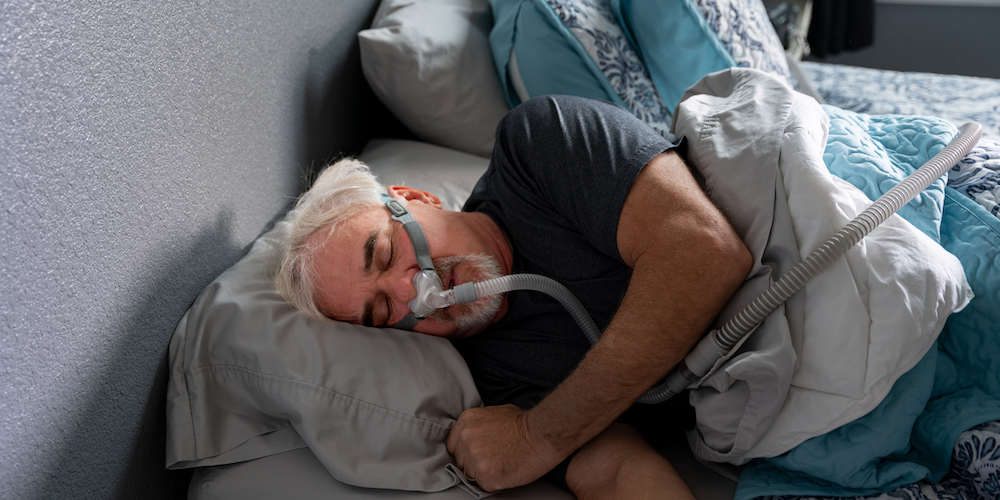
Treatment often involves the use of a continuous positive airway pressure (CPAP) machine, which keeps the airway open by delivering pressurized air during sleep. While some athletes may resist using a CPAP due to its inconvenience, compliance drastically improves sleep quality, energy levels, and long-term health.
In milder cases, weight management, reduction of water retention, and adjustments in sleeping position can make significant improvements.
Prevention and Lifestyle Management
Beyond medical treatment, bodybuilders can reduce their risk of sleep apnea through smart lifestyle strategies.
Keeping water retention under control by moderating sodium intake and managing estrogen can help prevent airway obstruction.
Avoiding excessive bulking that drives body weight too high is another protective measure.
Maintaining good sleep hygiene, such as consistent sleep schedules and limiting alcohol or sedatives before bed, also improves breathing quality at night.
For athletes on PEDs, regular cardiovascular monitoring and awareness of sleep apnea symptoms should be non-negotiable parts of their health protocols.
Sleep apnea is more than just snoring; it is a serious condition that undermines recovery, performance, and long-term health. Bodybuilders, especially those using PEDs, are uniquely at risk due to increased size, water retention, and airway changes.