Cortisol: the most misunderstood hormone in bodybuilding?

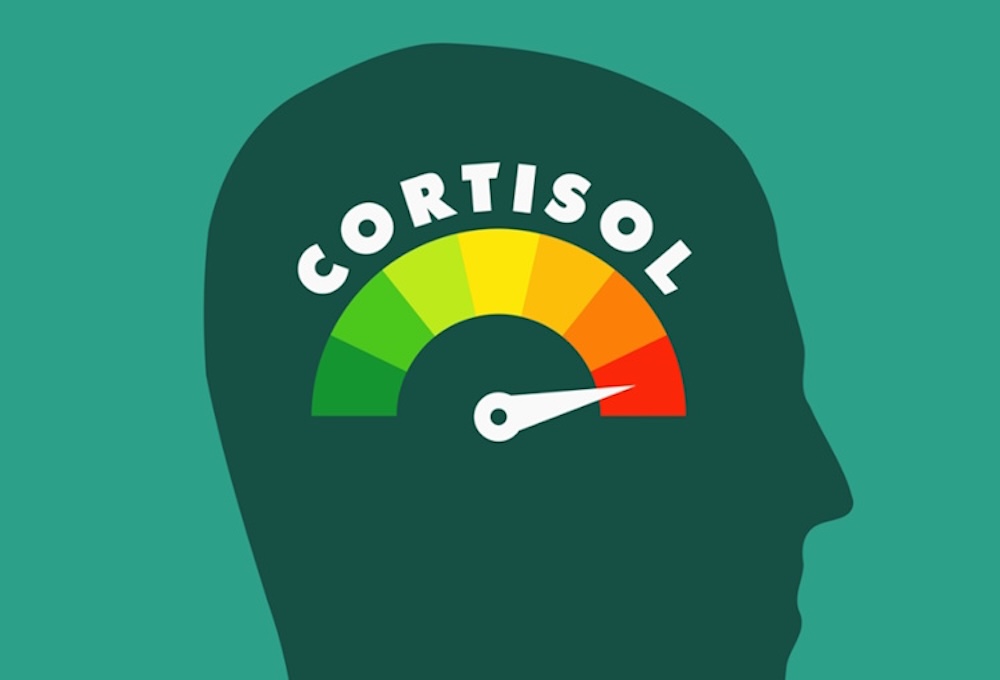
If there’s one hormone lifters love to demonize (or everybody, really), it’s cortisol. Say the word and people instantly think “muscle loss,” “catabolic,” or “stress hormone.” But this black-and-white view is completely wrong, and it might hold you back more than cortisol itself ever could. Cortisol isn’t the enemy. Without cortisol, you wouldn’t grow, recover, or even make it through a single hard training session. The problem isn’t cortisol, but rather poor cortisol management, especially in lifters who train hard, diet hard, and live with constant overstimulation. Cortisol is a performance hormone. The issue only starts when the system gets stuck.
Why Cortisol is Necessary
First of all, hard training is a stressor. Heavy loads, long sets, high intensity: all of it requires cortisol to be possible. It mobilizes energy, drives focus, sharpens reaction time, and helps maintain blood glucose when you’re deep into a set or a session. Without cortisol:
- pumps disappear
- strength takes a massive hit
- you feel “tired but wired”
- sessions turn into just junk volume
Most lifters who feel flat or unfocused aren’t “overtrained.” They’re undermobilized. They’ve pushed cortisol high for so long that the system stops responding.
When Does Cortisol Become Problematic?
Cortisol becomes a problem when it stays elevated long after the session ends, or when the spike meant for training becomes a constant background signal that drains you in a moment where you should be already resting and recovering. Chronic high cortisol in lifters leads to:
- stubborn belly fat
- poor sleep
- flat muscles
- weak pumps
- water retention
- appetite swings
- low libido
- mood swings
- poor recovery
Sound familiar? Most lifters will call these “bad genetics,” “diet issues,” or “PCT problems”. In reality, it’s often a chronically overstressed system that never gets a break.
What Increases Cortisol?
Enhanced athletes tend to push this even further: androgens increase training intensity, stimulants increase sympathetic drive, and cutting phases restrict calories. All of this amplifies cortisol’s baseline. It’s not the hormone itself, but the environment you create around it. This is the part people miss: cortisol helps build muscle indirectly because it increases the release of amino acids, glucose, and fatty acids so the body can meet the demands of training; it also supports inflammation (the fundamental process required for hypertrophy); it helps regulate the circadian rhythm that controls recovery.
How The Body Responds to High Cortisol
When cortisol is permanently elevated, the body starts defending itself the way it can:
- muscle protein synthesis drops
- thyroid output declines
- testosterone dips
- insulin sensitivity worsens
- inflammation becomes chronic instead of acute
The system shifts from “adapt and grow” to “survive and conserve”. The best lifters don’t try to suppress cortisol. They treat it like a wave: spike when needed, lower when not. Cortisol is supposed to rise in the morning, rise during training, then gradually fall through the evening. Problems start when:
- you blast caffeine all day
- you diet aggressively for weeks
- you sleep 5–6 hours at most
- you train at night
- you rely on stimulants to feel “alive”
- you never take deloads
- you’re in a constant calorie deficit
- your PEDs elevate stress hormones
This is how cortisol becomes the enemy: because your routine and habits make it impossible for it to cycle normally.
How To Keep Cortisol in Check
Most people try to fix cortisol with ashwagandha and magnesium. Those help, but they’re band-aids. The real fix is addressing why cortisol isn’t cycling:
- sleep (the biggest cortisol regulator by a mile)
- carbs around training (to reduce post-workout cortisol spillover)
- controlled stimulant intake
- periodized training volume
- actual rest days, not cardio disguised as rest days
- evening downregulation routines
- consistent meal timing
- PED choices that don’t wreck sleep or CNS (like trenbolone)
Cortisol isn’t the thing breaking you down: it’s the lack of recovery mechanisms to bring it back down. Cortisol is misunderstood because people want a villain. They want something to blame when they feel soft, flat, stressed, or unmotivated. But the lifters who perform the best (on and off cycle) understand that cortisol is part of the system that allows them to grow.
You don’t fix cortisol by fighting it. You fix it by respecting it. Treat cortisol is a tool, not a threat. The problem isn’t simply high cortisol, it’s unmanaged, chronically elevated cortisol. And once you understand that difference, your training, recovery, and physique all change for the better, and so do your results.