Performance-enhancing drugs (PEDs) are often discussed in terms of muscle growth, strength, and recovery. But one underexplored side effect is how these compounds affect appetite, digestion, and bloating. The relationship between anabolics and the gut isn’t as glamorous as strength gains, but it can make or break progress in both bulking and cutting phases. How […]Read More

Tags : Insulin
Before semaglutide, tirzepatide, and retatrutide took the world by storm, there was Liraglutide, the first GLP-1 receptor agonist to demonstrate that manipulating incretin hormones could dramatically improve weight loss, glucose control, and metabolic function. Marketed under the brand names Victoza and Saxenda, liraglutide paved the way for the next generation of GLP-based drugs that are […]Read More
Most lifters talk endlessly about training, food, sleep, testosterone and other steroids, but the real metabolic drivers of elite size are two peptide hormones: growth hormone (GH) and insulin. They don’t fight each other; they complement each other. GH sets the conditions for growth, and insulin determines where nutrients actually go. Together, they form the […]Read More
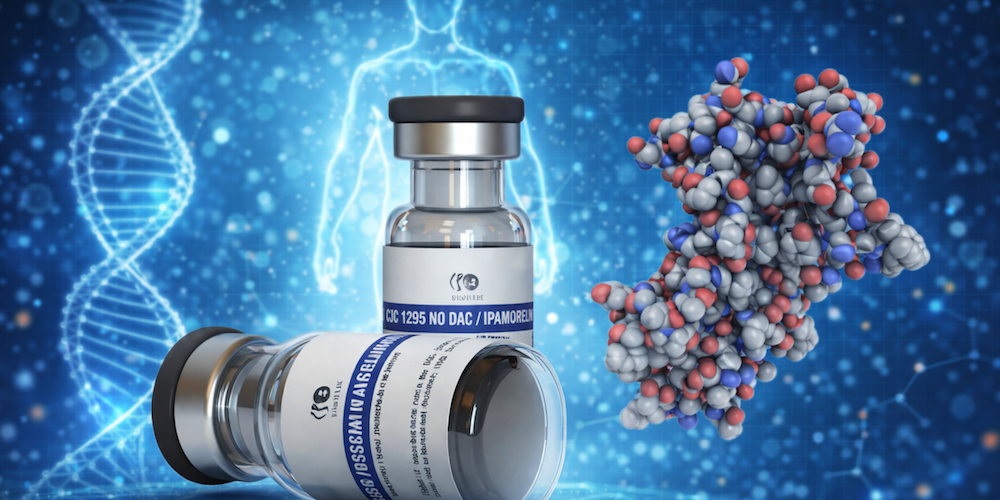
The CJC-1295 and Ipamorelin stack is widely regarded as the most effective and physiologically aligned way to increase natural growth hormone output without using exogenous GH. By combining two peptides that act on different parts of the growth hormone axis, this stack amplifies GH release while preserving the body’s normal feedback mechanisms. For athletes, biohackers, […]Read More
Hyperplasia refers to an increase in the number of muscle fibers, not just their size. This is different from hypertrophy, which is the enlargement of existing fibers. Most lifters build muscle primarily through hypertrophy, making fibers thicker and stronger. Hyperplasia, on the other hand, expands the total number of fibers, effectively increasing the muscle’s growth […]Read More
Insulin-like Growth Factor 1 (IGF-1) is a peptide hormone that plays a crucial role in muscle growth, recovery, and cellular repair. In the world of enhancement and bodybuilding, two forms of IGF-1 are particularly popular: IGF-1 LR3 (Long Arg3 IGF-1) and IGF-1 DES (1-3 IGF-1). While both are modified versions of naturally occurring IGF-1, they […]Read More
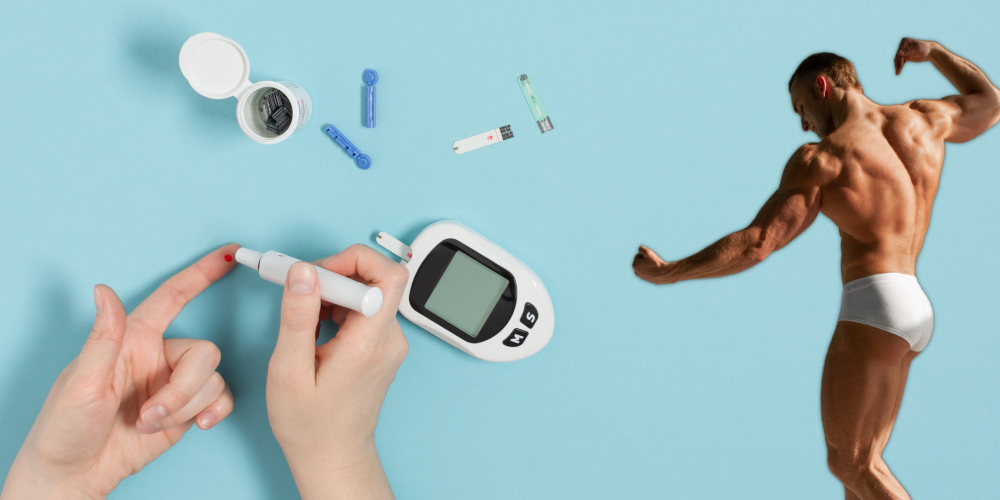
A glucometer is a small medical device that measures the concentration of glucose in your blood. Chances are you’ve seen someone in your family use it, because it’s a must-have for diabetics (and let’s face it, we all have a diabetic person in our extended family). Why must enhanced bodybuilders use it? Firstly, a glucometer […]Read More
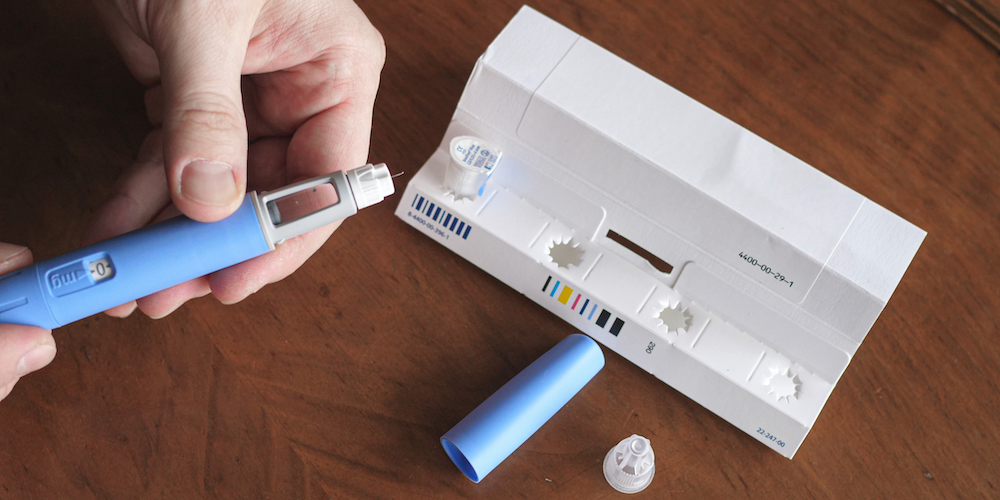
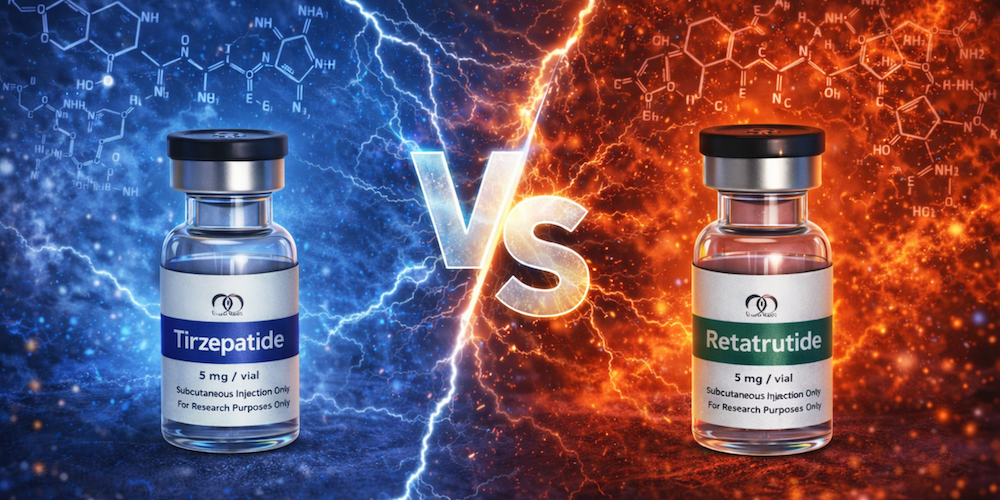
Tirzepatide is a promising new drug belonging to the GLP-1 and GIP Receptor Agonist classes of drugs that has recently been approved by the US Food and Drug Administration (FDA) for the treatment of type 2 diabetes. It appears as an alternative to Ozempic (Semaglutide), which has rapidly become a popular weight-loss medication among […]Read More
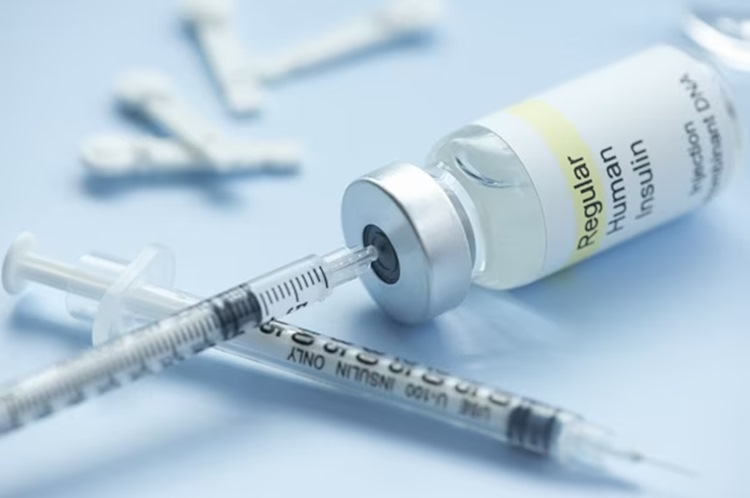
The quest for maximum muscle hypertrophy and optimal performance usually drives bodybuilders to explore various training methodologies and nutritional strategies. Among different approaches, insulin usage is probably one of the most powerful approaches one can use, being praised by many as the hormone that started the mass monster era, alongside with growth hormone. However, understanding […]Read More
In order to achieve and maintain a lower bodyweight, be it for aesthetic or health-related reasons, people often try various methods, including the use of medications that, although initially designed to help with type-2 diabetes, also aid in weight loss. Two very important options in this class are Mounjaro (tirzepatide) and Ozempic (semaglutide). This article […]Read More