
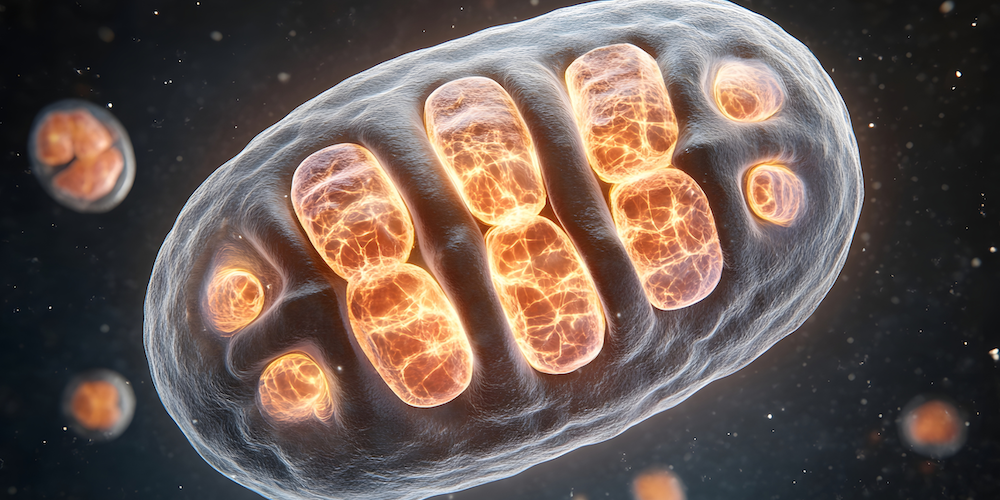
For decades, performance and health discussions revolved around hormones, calories, and training intensity. Today, the focus is shifting deeper, down to the level where energy is actually created. Mitochondria are the structures inside cells responsible for producing ATP, the energy currency that powers muscle contraction, brain function, recovery, immune defense, and fat metabolism. When mitochondria […]Read More
Few things cause more confusion in bodybuilding than estrogen. One lifter swears estrogen is the devil and throws it into the ground. Another runs the same testosterone dose, barely touches any Aromatase Inhibitors (AIs), and looks full, dry, strong, and healthy. Bloodwork gets compared: numbers look similar, results definitely don’t. Estrogen Is Not a Volume […]Read More
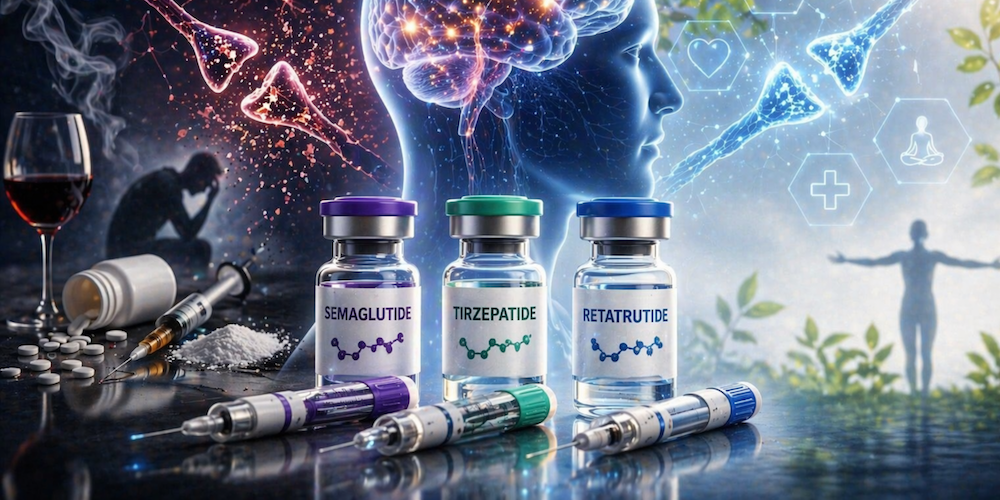
To say that addiction comes down to a lack of discipline is incredibly simplistic and unfair. Addiction stems from a dysfunction in the brain’s reward system, particularly involving dopamine signaling. Substances like alcohol, nicotine, and highly processed foods overstimulate dopamine pathways, leading to repeated use, reduced sensitivity, and eventually compulsive behavior. Over time, the brain […]Read More
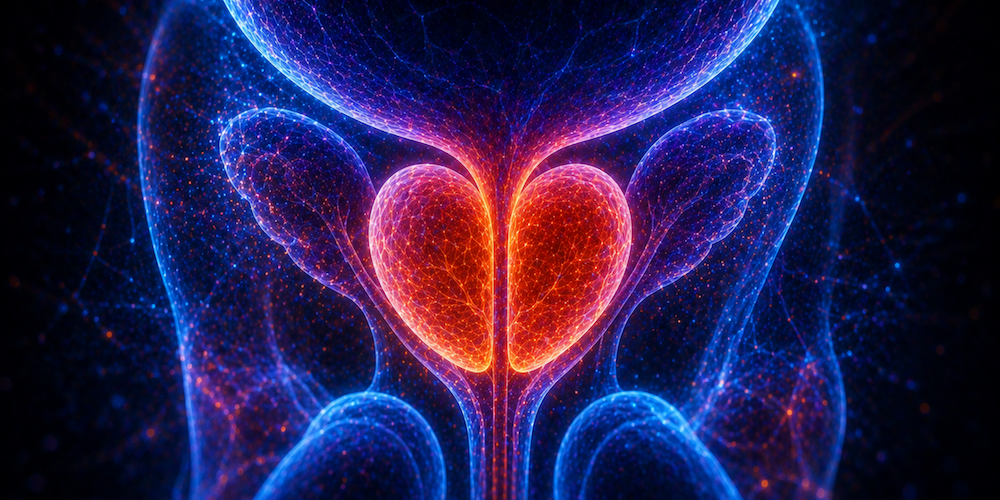
The prostate is a small gland located below the bladder that plays a key role in male reproductive health, helping produce seminal fluid and supporting fertility. Despite its size, it is highly sensitive to hormonal changes, particularly androgens. In enhanced bodybuilding, where androgen exposure is often significantly elevated, prostate health becomes an important but frequently […]Read More
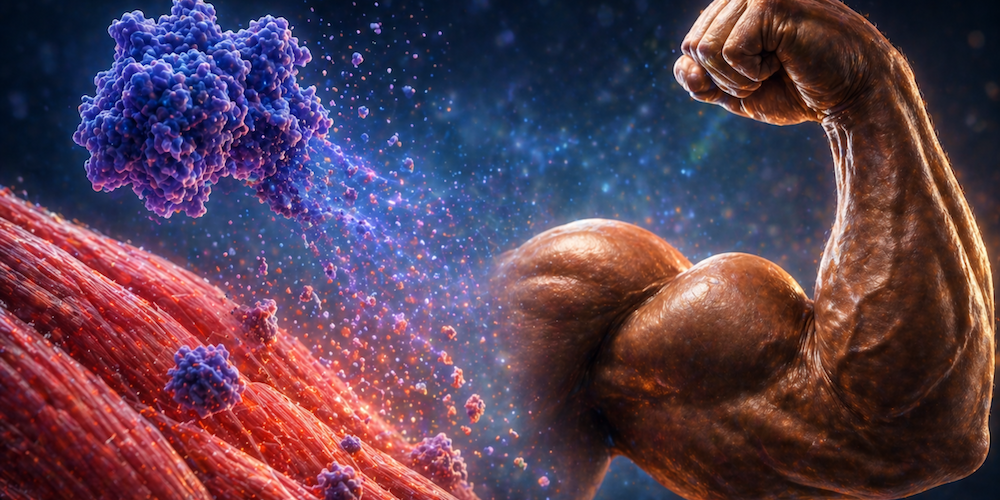
Myostatin is a regulatory protein that acts as a brake on muscle growth. It belongs to the TGF-beta family and is produced primarily in muscle cells. Its role is simple but powerful: prevent excessive muscle hypertrophy. When myostatin levels are high, muscle growth is limited. When myostatin is suppressed, muscle growth can accelerate beyond normal […]Read More

Coming off a cycle can feel like hitting a brick wall: strength takes a big hit, pumps disappear, and no matter how clean your diet is, fat just starts coming back, especially around the midsection. It’s not just about willpower or training intensity. When you stop taking performance-enhancing drugs (PEDs), your metabolism, hormones, and nutrient […]Read More

Performance-enhancing drugs (PEDs) are often discussed in terms of muscle growth, strength, and recovery. But one underexplored side effect is how these compounds affect appetite, digestion, and bloating. The relationship between anabolics and the gut isn’t as glamorous as strength gains, but it can make or break progress in both bulking and cutting phases. How […]Read More
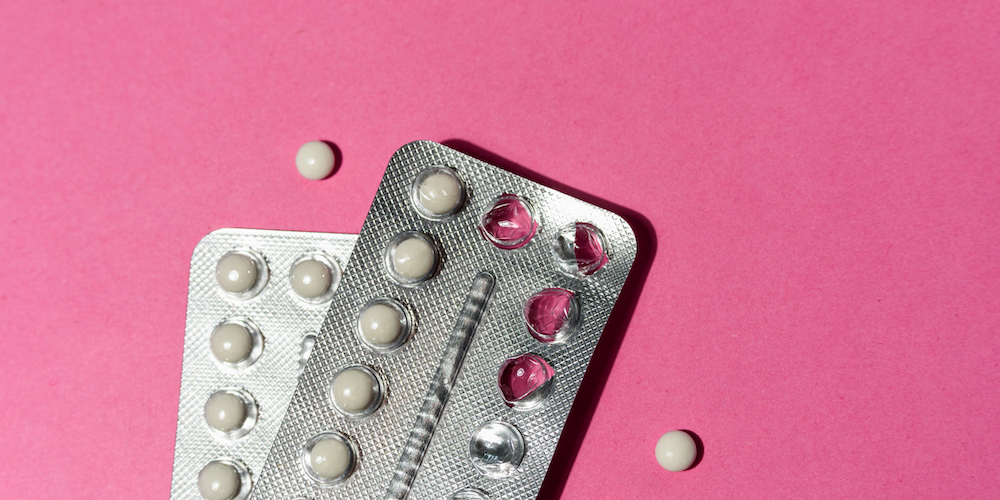
Estrogen management is one of the most critical aspects of enhanced bodybuilding. While testosterone and other aromatizing steroids drive muscle growth, they also increase estrogen levels through the process of aromatization. Elevated estrogen can cause water retention, gynecomastia, mood swings, and fat gain. To counter this, bodybuilders often turn to aromatase inhibitors (AIs), which reduce […]Read More

Anabolic steroids are widely used for building muscle, improving strength, and accelerating recovery. While their benefits are well known, one of the less discussed risks is their impact on the immune system. Steroid use can weaken immune defenses, making athletes more vulnerable to infections, slower healing, and systemic health complications. Understanding how this happens and […]Read More
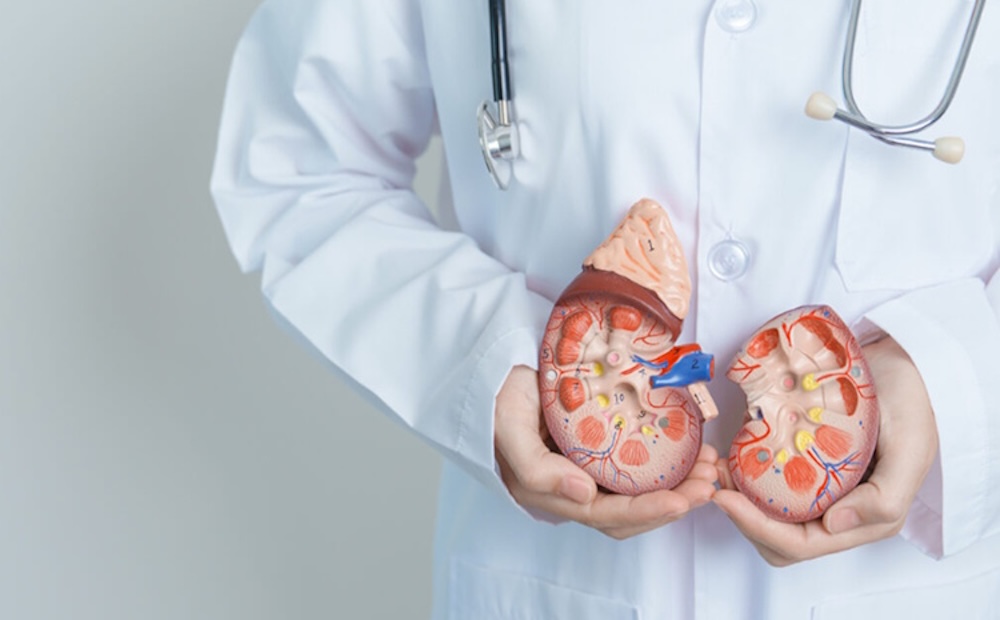
When lifters talk about health risks of PEDs, the conversation almost always revolves around the liver, heart, or natural hormone production. But there’s one critical organ that quietly takes massive damage in the background: the kidneys. Why the Kidneys Matter So Much for Enhanced Athletes Kidneys are extremely important for the body to function, even […]Read More