
BPC-157 vs TB-500: what is the better healing peptide?

BPC-157 and TB-500 are two of the most well-known healing peptides used in the realms of injury recovery, regenerative medicine, and enhanced athletic performance. Though both promote healing and tissue regeneration, they operate via different mechanisms and offer distinct benefits. This article compares the origins, mechanisms, and practical applications of BPC-157 and TB-500 to help users understand which compound may better serve their recovery and performance needs.
Origins and Background
BPC-157 (Body Protection Compound-157) is a synthetic peptide derived from a naturally occurring protein in human gastric juice. It was initially researched for its gastroprotective effects and later found to accelerate healing in muscles, tendons, nerves, and ligaments.
TB-500 is a synthetic version of a naturally occurring peptide called Thymosin Beta-4, found in almost all human and animal cells. Its primary role is tissue regeneration and cell migration, making it particularly effective for injury repair and inflammation reduction.
Mechanism of Action
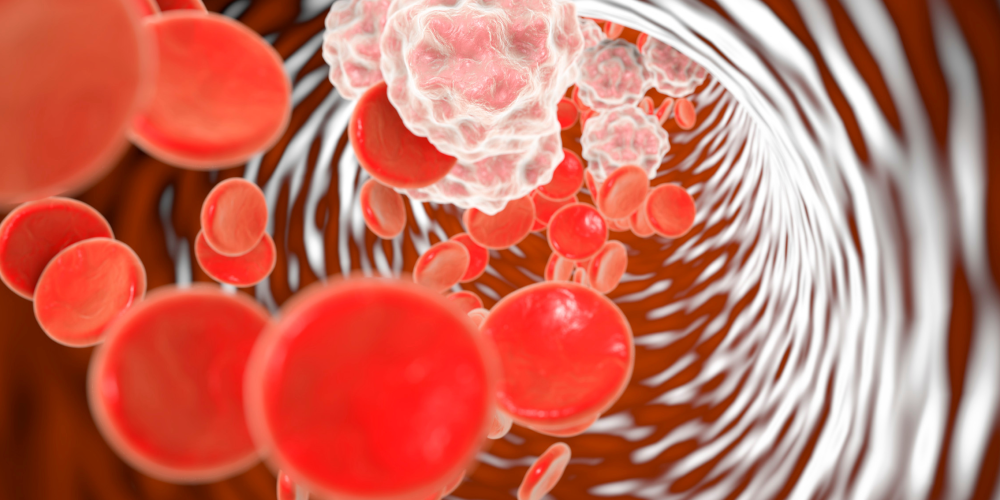
BPC-157 works by promoting angiogenesis (the formation of new blood vessels), increasing fibroblast activity, and supporting the regeneration of tendon, ligament, and nerve tissue. It also regulates nitric oxide and modulates growth factor expression, accelerating wound healing and reducing inflammation.
TB-500 enhances cell migration and upregulates actin—a protein critical to cell structure and movement. This allows it to promote tissue repair across various cell types, especially in muscle, tendon, and epithelial tissue. It also improves flexibility, reduces inflammation, and increases blood vessel growth around damaged tissues.
Benefits Comparison
BPC-157 is ideal for site-specific healing and is commonly used to treat tendonitis, ligament sprains, muscle tears, and gut inflammation. It is often injected near the injury site or taken orally for digestive support.
TB-500 offers systemic benefits, making it suitable for widespread tissue healing and recovery from systemic inflammation or general wear and tear. It is usually injected subcutaneously or intramuscularly and has a longer half-life compared to BPC-157.
Drawbacks and Side Effects
Both peptides are generally well-tolerated with low incidence of side effects. Some users may experience mild nausea, dizziness, or irritation at the injection site.
Since both compounds are still considered experimental, long-term safety data in humans is limited. Use should be approached cautiously and under professional supervision, particularly for extended cycles.
Detailed Feature Comparison
Administration
BPC-157 can be injected subcutaneously, intramuscularly, or taken orally. TB-500 is typically injected subcutaneously or intramuscularly.
Half-Life
BPC-157 has a short half-life but strong local action. TB-500 has a longer half-life and broader systemic effects.
Healing Scope
BPC-157 is best for targeted injuries and localized healing. TB-500 works systemically for widespread recovery.
Tissue Types Affected
BPC-157 excels in tendon, ligament, and nerve repair. TB-500 is strong in muscle, epithelial, and soft tissue regeneration.
Inflammation Control
Both peptides reduce inflammation, but TB-500 may have a stronger systemic anti-inflammatory effect.
Gut Healing
BPC-157 is known for its potent effects on gut lining, ulcers, and intestinal damage. TB-500 does not directly impact gut health.
Use in Athletics
BPC-157 is favored for acute injuries. TB-500 is often used for recovery enhancement and chronic conditions.
Dosing Frequency
BPC-157 is typically dosed daily. TB-500 is usually dosed 2x weekly.
Best Use Case
BPC-157 is best for site-specific injuries or gut issues. TB-500 is ideal for global recovery and performance support.
Which One Should You Use?
Choose BPC-157 if you’re recovering from a tendon or ligament injury, dealing with joint pain, or experiencing gastrointestinal issues. Its localized healing properties and oral bioavailability make it highly versatile.
Choose TB-500 if you’re looking to promote overall recovery, address muscle damage, or manage chronic inflammation. Its systemic action and long-lasting effects are particularly useful in longer-term or more diffuse healing scenarios.
BPC-157 and TB-500 are powerful healing peptides with overlapping benefits but distinct strengths. While BPC-157 shines in targeted repair and gut health, TB-500 offers broader systemic recovery. For athletes and biohackers, these peptides can be complementary tools in a well-rounded recovery or injury prevention protocol.
References
-
US National Library of Medicine. (Various studies on BPC-157 and Thymosin Beta-4).
-
PubMed Central (PMC): Mechanisms of Action of Peptides in Tissue Repair.
-
Research summaries from peptide therapy practitioners and review articles.
-
enhancedinfo. THE PEPTIDE HANDBOOK (2022). Gumroad LLC.