
Retatrutide: what is it and is the hype worth it?

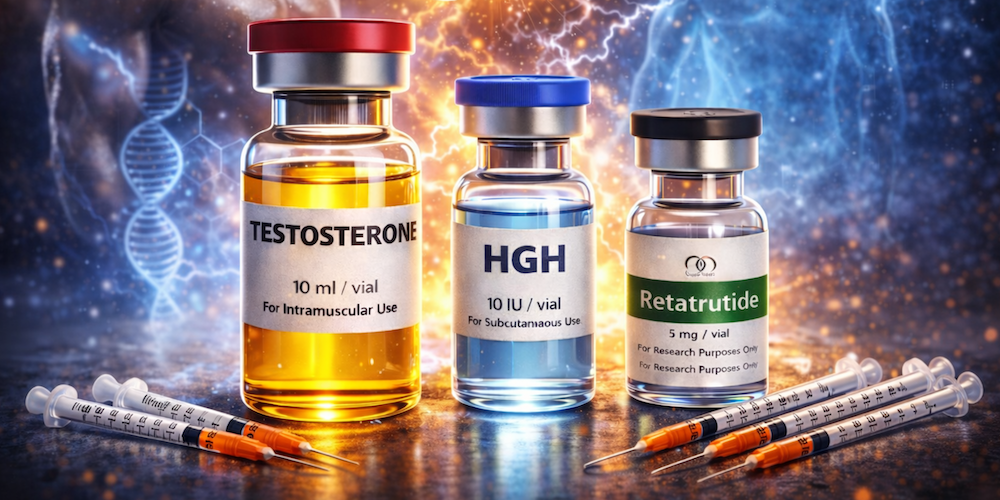
Pharmaceuticals once reserved for treating chronic diseases are increasingly finding their way into fitness conversations. With the likes of bodybuilders such as Nick Walker openly talking about using it in his current prep, the latest compound attracting attention is retatrutide, an experimental drug developed for obesity and type 2 diabetes management. While it’s not yet approved for general use, early trial data suggest it could reshape the way we think about fat loss, endurance, and even recovery. But what does retatrutide actually do, and where can it be applied in the fitness and bodybuilding world?
The Mechanism of Action
Retatrutide is a triple agonist, meaning it activates three different metabolic receptors at the same time:
- GLP-1 (glucagon-like peptide-1) receptor: helps regulate appetite, slows gastric emptying, and improves insulin sensitivity;
- GIP (glucose-dependent insulinotropic polypeptide) receptor: enhances insulin secretion and may complement GLP-1 activity;
- Glucagon receptor:”increases energy expenditure and mobilizes stored fat.
This multi-target approach makes retatrutide more potent than single-pathway drugs like semaglutide (Ozempic) or tirzepatide (Mounjaro).
Here’s what we can expect from the triple agonist action of retatrutide:
- Extreme fat loss potential
Early clinical trials show retatrutide can produce up to 24% reductions in body weight in obese individuals (numbers previously achievable only through surgery). For athletes and bodybuilders, this raises the possibility of accelerated fat cutting without the same hunger and fatigue seen in traditional dieting, which in turn can make high performance training more manageable;
- Improved metabolic efficiency
By increasing insulin sensitivity and reducing fat storage, retatrutide may help keep energy partitioned more toward muscle and performance, rather than fat gain;
- Appetite suppression without stimulants
Unlike caffeine or clenbuterol, retatrutide works through gut–brain signaling, curbing hunger in a way that feels more “natural” and sustainable for many;
- Potential cardiovascular benefits
GLP-1 agonists in general have been shown to improve heart health markers, which could be especially valuable for enhanced athletes running high androgen loads that stress the cardiovascular system.
The Side-Effects of Retatrutide
However, as with most experimental drugs, there are still risks and unknowns associated with taking retratutide:
- Muscle loss concern: extreme calorie reduction can still lead to muscle breakdown, even with PED support. If retatrutide suppresses appetite too much, maintaining lean mass could become a challenge, especially because users sometimes report feeling “disgusted” by food, particularly calorie-dense meals;
- Side effects: common issues reported so far are usually GI-related and include nausea, vomiting, diarrhea, and fatigue: really not ideal during intense training blocks;
- Performance uncertainty: while fat loss is well documented, effects on strength, hypertrophy, or endurance performance remain unknown;
- Long-term safety: since it’s experimental, long-term data on retatrutide use in non-obese, athletic populations simply doesn’t exist.
The Uses of Retatrutide
The obvious applications of retatrutide in bodybuilding and fitness are more robust where an individual is looking to shed large amounts of body fat or weight and wants to do it quickly:
- Contest prep: retatrutide could, in theory, make the brutal calorie cuts of bodybuilding preps more manageable;
- Weight-class sports: fighters, lifters, and athletes who need to make weight could see drastic advantages, but potentially risk performance drop-offs if not managed carefully;
- General population: for recreational gym-goers struggling with fat loss, this class of drugs might offer a potent tool to break stubborn plateaus.
At this moment in time, retatrutide represents the cutting edge of metabolic medicine. For fitness, it could become the most powerful fat-loss tool yet: stronger than semaglutide or tirzepatide, with wide-reaching implications for body composition and health.
But it’s important to stress: retatrutide is still experimental, with limited availability outside of clinical trials. Its role in fitness and bodybuilding remains speculative, and until safety and performance impacts are better understood, it’s probably not something athletes should rush into if they don’t know exactly what they’re getting into. As with many medical innovations, what starts in trials often finds its way into gyms. Retatrutide may be no different, but whether it will become a game-changer or just another forgotten drug in the future remains to be seen.