
Fast twitch or likely to fatigue? How PEDs alter muscle fiber profile

Not all muscle fibers are created equal. Some are built for explosive power, others for endurance, and your natural ratio has a lot to do with how you respond to training, at least initially. But what happens when you throw performance-enhancing drugs (PEDs) into the mix? Surprisingly or not, PEDs don’t just make your muscles bigger, they can shift the type of muscle you’re building, affecting everything from strength output to fatigue resistance and even how you should be training.
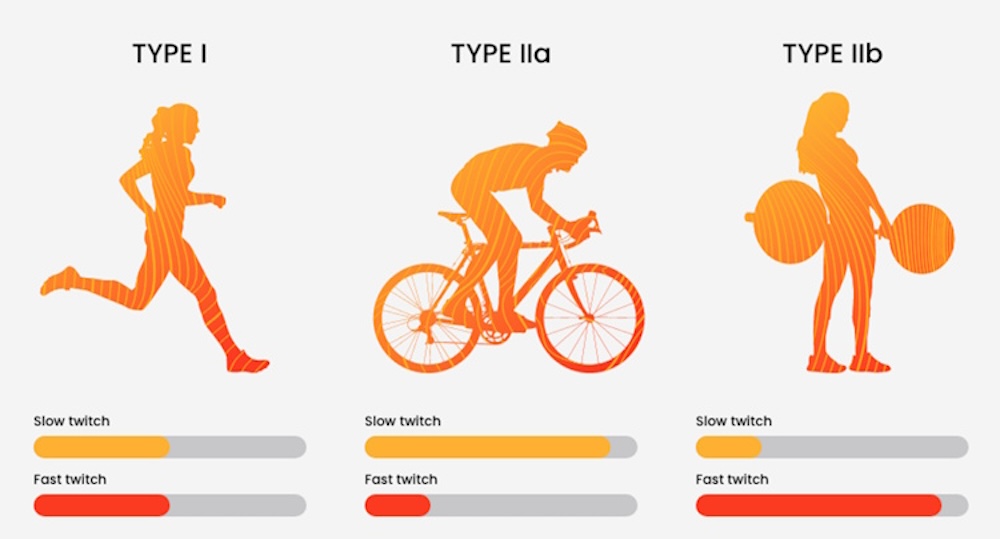
Muscle Fiber Basics: Type I vs. Type II
First of all, let’s quickly recap muscle fiber basics: Type I vs. Type II
- Type I (slow twitch):
- High endurance;
- Low power output;
- Resistant to fatigue;
- Used mostly in steady, low-intensity activity
- Type II (fast twitch):
- High power output;
- Low fatigue resistance;
- Ideal for strength and hypertrophy;
- Used in explosive lifts, sprints, heavy reps
Most bodybuilders aim to grow Type II fibers, which are larger and more responsive to hypertrophy stimuli. But PEDs don’t just grow what you already have, they may alter your fiber distribution. Here’s how these compounds can do just that…
How Specific Compounds Shift Fiber Type
Steroids preferentially grow fast-twitch fibers
AAS (like testosterone, nandrolone, trenbolone) have a stronger hypertrophic effect on Type II fibers, which are more densely populated with androgen receptors. Over time, this creates a shift toward power and speed, sometimes at the cost of endurance;
IGF-1 and HGH increase myonuclei, but favor size over function
GH and IGF-1 lead to fiber enlargement and satellite cell activation, especially in fast-twitch fibers. However, this may sacrifice endurance capacity, as the larger muscles require more oxygen but aren’t necessarily more efficient;
Trenbolone: high power, fast fatigue
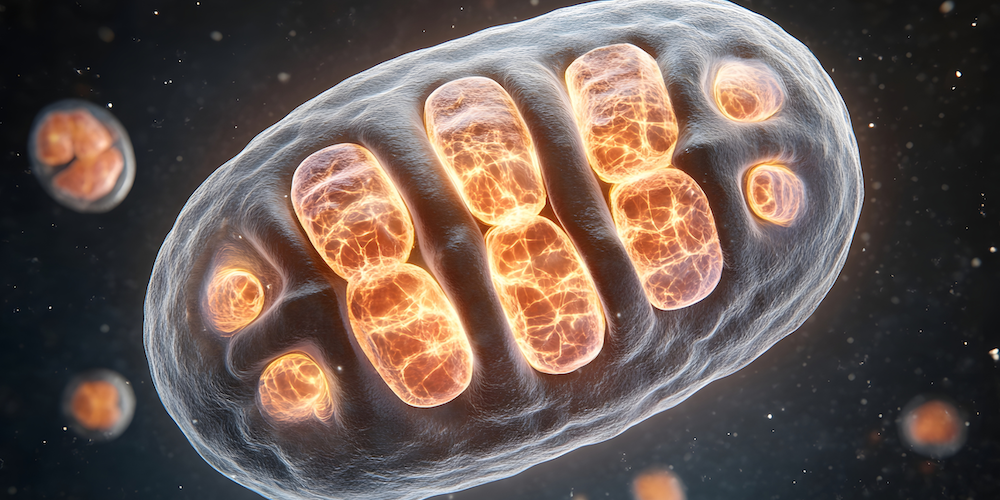
Users often report insane strength gains on tren, but also severe cardiovascular and muscular fatigue. This may be due to its impact on mitochondrial efficiency and red blood cell function, shifting the balance toward more power output in place of endurance;
Insulin and Nutrient Partitioning
PEDs that enhance glucose uptake and glycogen storage (like insulin or GH) may improve performance, but over time can lead to greater fiber hypertrophy than capillary density, reducing muscular endurance and increasing the risk of “pump lockout”, due to poor cardiovascular infrastructure in the region.
What Enhanced Muscle Actually Becomes
Because of these effects, PED-enhanced muscle often becomes: more glycolytic (or anaerobic), less oxidative and more explosive, but quicker to fail under repeated effort. Which in turn can lead to: decreased work capacity (especially in longer sets), more rest needed between sets and a body that may look powerful but feels gassed quickly.
How to Train for a Fast-Twitch Dominant Profile
Here are some aspects you should consider if you’re undergoing a shift to fast-twitch fiber profile dominance:
- Focus on explosive strength and low-to-moderate rep ranges (3–10 reps);
- Use longer rest periods to allow full recovery between sets;
- Incorporate active recovery and Zone 2 cardio to preserve mitochondrial health;
- Add in occlusion or metabolic finishers sparingly to reintroduce endurance stress;
- Cycle in conditioning blocks or higher-rep mesocycles during cruise or post-cycle phases
Matching the Shift to Your Goals
In this case, if your goal is to be big, strong, while keeping lean, the fiber shift works in your favor. But if you want to maintain conditioning year around, compete in sports or something like CrossFit or just care about long-term heart and muscular health, then balancing your training to include some endurance or oxidative work becomes critical, even (especially) while enhanced.
PEDs don’t just grow muscle, they reprogram it in terms of muscle fiber profile. You may become more explosive, stronger, and bigger, but at the cost of also being more fatigue-prone and less capable of sustained power output. Understanding how these compounds shift your muscle fiber profile is key to adjusting your training, managing recovery, and staying high-performance by all definitions of the word, not just high-mass and size.