
Understanding inflammation in bodybuilding

Inflammation is a natural biological response to stress, injury, or infection. In bodybuilding, especially enhanced bodybuilding involving frequent injections of anabolic steroids and other compounds, inflammation can become a hidden but powerful disruptor.
From localized injection pain to systemic inflammation reflected in elevated biomarkers like C-Reactive Protein (CRP), managing inflammatory responses is crucial for performance, longevity, and health.
In this article, we will unpack the role of inflammation in bodybuilding, the significance of CRP, and how carrier oils and injection practices influence this process.
What is Inflammation?
Inflammation is the immune system’s response to harmful stimuli, including pathogens, damaged cells, and irritants. It can be acute (short-term and protective) or chronic (long-term and damaging). In enhanced bodybuilding, inflammation can arise from overtraining, high-intensity workouts, poor diet, stress, or suboptimal injection practices. When inflammation becomes chronic, it contributes to fatigue, impaired recovery, joint pain, and even cardiovascular risk.
Understanding C-Reactive Protein (CRP)
C-Reactive Protein is a key biomarker of systemic inflammation. Produced by the liver in response to inflammatory cytokines, CRP levels can be measured through blood tests and are often used to assess cardiovascular risk and overall inflammatory burden.
Normal CRP levels are generally below 1.0 mg/L. Elevated levels (1–3 mg/L) indicate mild inflammation, while levels above 3 mg/L suggest significant systemic inflammation. In enhanced athletes, elevated CRP may result from overtraining, infections, or irritation from carrier oils and injection site trauma.
Carrier Oils and Injection-Related Inflammation
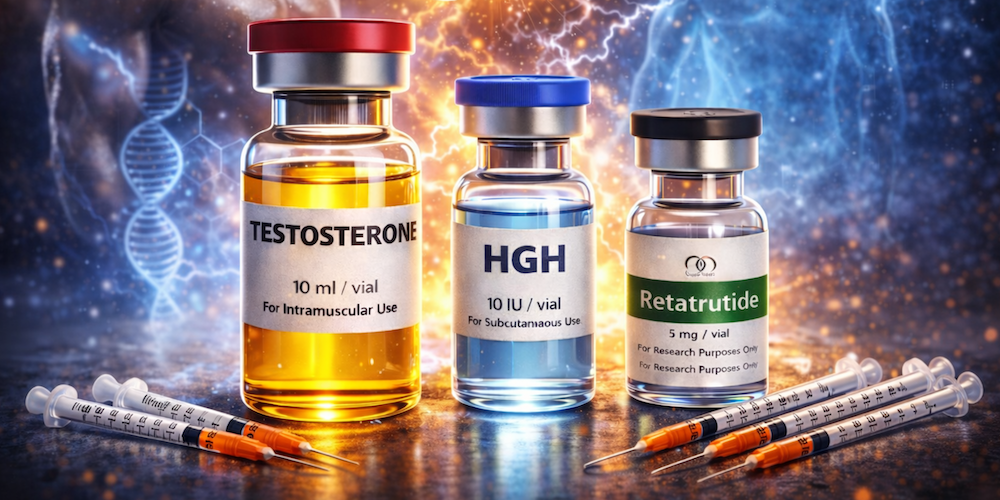
Injectable anabolic steroids are typically suspended in carrier oils like grapeseed oil, cottonseed oil, MCT oil, or ethyl oleate. While these oils are necessary for solubilizing steroid esters, not all are created equal.
Some carrier oils can provoke stronger immune reactions, leading to swelling, pain, redness, and even systemic inflammatory responses. For example, ethyl oleate and some synthetic or improperly filtered oils may cause injection site irritation, sterile abscesses, or elevated CRP levels.
Proper injection technique, including rotating sites, using pharmaceutical-grade products, and maintaining sterility—can drastically reduce local and systemic inflammation. Always be cautious with underground lab products, especially those with unusual concentrations (e.g., 400 mg/mL) or unclear oil sources.
Strategies to Reduce Inflammation
Managing inflammation is critical for long-term health and recovery. Here are key strategies:
- Use clean, well-tolerated oils: MCT and grapeseed oil are generally well-tolerated.
- Inject slowly and with proper technique: Reduce trauma and inflammation by injecting slowly and warming the oil slightly beforehand.
- Rotate injection sites: Prevent localized inflammation by rotating between glutes, quads, delts, and other suitable areas.
- Bloodwork monitoring: Check CRP levels periodically to assess systemic inflammation.
- Anti-inflammatory supplements: Fish oil, curcumin, resveratrol, and ginger may reduce chronic inflammation.
- Training management: Balance training load and recovery to prevent overtraining-induced systemic inflammation.
- Diet and lifestyle: Reduce processed foods, increase antioxidants, and prioritize sleep and stress management.
Inflammation is an often-overlooked factor in enhanced bodybuilding, but its impact can be profound. From elevated CRP levels signaling cardiovascular risk to painful injection site flare-ups caused by harsh carrier oils, ignoring inflammation can stall progress and compromise health. Fortunately, with strategic compound choices, careful injection technique, and ongoing bloodwork, bodybuilders can stay ahead of inflammation—and keep their body running smoothly inside and out.