
Epitalon & Pinealon – the ultimate bioregulators

Epitalon and Pinealon are bioregulatory peptides derived from pineal gland research, designed to support healthy aging, circadian rhythm regulation, and neural preservation. While they share a common origin in peptide bioregulation science, their primary mechanisms and applications differ.
Understanding those differences allows for more strategic use in longevity, cognitive optimization, and systemic recovery protocols.
What Epitalon Is
Epitalon is a synthetic tetrapeptide modeled after epithalamin, a natural pineal gland extract. It is best known for its ability to activate telomerase, the enzyme responsible for maintaining telomere length. Telomeres protect chromosomes during cell division, and their shortening is a core feature of biological aging. By stimulating telomerase activity, Epitalon may slow cellular senescence and improve genomic stability.
Beyond telomere biology, Epitalon has been shown to normalize melatonin secretion, regulate circadian rhythms, enhance antioxidant enzyme activity, and improve overall endocrine coordination. It acts at the level of gene expression, influencing cellular repair and stress resistance pathways.
What Pinealon Is
Pinealon is a shorter tripeptide derived from pineal gland amino acid sequences. While Epitalon has systemic anti-aging associations, Pinealon is more focused on the central nervous system. It has been studied for its neuroprotective properties, ability to regulate neuronal gene expression, and potential to improve cognitive performance.
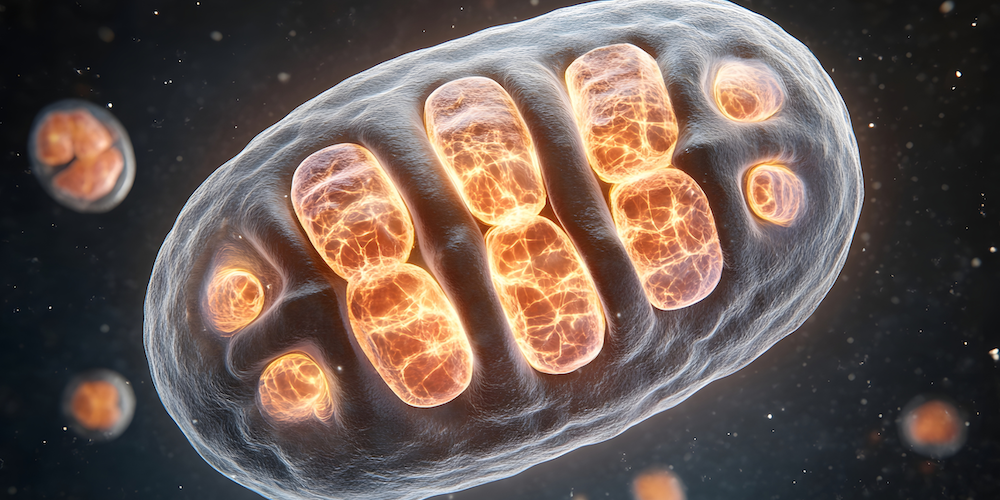
Pinealon appears to enhance protein synthesis within neurons, stabilize mitochondrial function in brain cells, and reduce oxidative stress in neural tissue. Its effects are more localized to cognitive function and stress resilience rather than whole-body aging mechanisms.
Mechanism Differences
Epitalon’s primary mechanism involves telomerase activation, circadian rhythm normalization, and modulation of gene expression related to aging and DNA repair. It exerts systemic influence across multiple tissues.
Pinealon works more selectively within neural tissue. It influences transcription processes in neurons, supports synaptic stability, and enhances mitochondrial efficiency in the brain. While both peptides affect gene expression, Epitalon acts broadly, whereas Pinealon acts more specifically within the nervous system.
Sleep and Circadian Effects
Epitalon has a well-documented effect on melatonin regulation. By restoring proper pineal gland signaling, it often improves sleep depth, sleep onset timing, and hormonal rhythm synchronization. Since growth hormone release and metabolic repair are tightly linked to deep sleep, this effect contributes significantly to its longevity appeal.
Pinealon does not directly regulate melatonin in the same way but may improve sleep indirectly by reducing neural oxidative stress and enhancing cognitive calmness.
Cognitive and Neuroprotective Benefits
Pinealon is particularly valuable in cases of mental fatigue, cognitive stress, and age-related decline. It has shown potential to improve memory consolidation, protect neurons from hypoxic damage, and reduce neuroinflammation. These effects make it attractive in high-stress environments or during periods of burnout.
Epitalon contributes to cognitive resilience more indirectly by stabilizing circadian rhythms and reducing systemic aging markers. Its neurological benefits are secondary to its systemic anti-aging mechanisms.
Longevity Applications
Epitalon is more strongly associated with lifespan extension research. Animal studies have demonstrated increased lifespan and delayed onset of age-related pathology. Its telomerase activation properties position it as a foundational longevity peptide.
Pinealon contributes to longevity by protecting neural integrity. Since cognitive decline is one of the primary limiting factors in aging populations, preserving neuronal health is a critical aspect of extending functional lifespan.
Recommended Doses
Epitalon is commonly administered at 5 to 10 mg per day for 10 to 20 days per cycle. Many longevity protocols repeat this cycle once or twice per year. It is typically given subcutaneously or intramuscularly. Lower daily dosing over a longer period is sometimes used, but structured cycles remain the most common approach.
Pinealon is generally used at 5 to 10 mg per day for 10 to 20 days, similar to Epitalon. Because Pinealon is more brain-focused, some individuals prefer shorter cycles targeted during periods of high cognitive stress. It can also be administered subcutaneously or intramuscularly.
Both peptides are usually cycled rather than used continuously, allowing the body to recalibrate naturally after each course.
Safety and Tolerability
Both Epitalon and Pinealon are non-hormonal and non-stimulatory. They do not suppress endocrine function and are generally well tolerated. Side effects are rare and typically mild, sometimes including transient changes in sleep patterns as circadian rhythms adjust. As with all injectable peptides, product quality and proper sterile technique are critical.
Epitalon and Pinealon represent two complementary approaches to longevity and neural optimization. Epitalon focuses on telomere maintenance, circadian regulation, and systemic aging pathways. Pinealon targets neuronal gene expression, cognitive resilience, and brain-specific repair. Used strategically, they offer a deeper, biologically intelligent method of supporting healthy aging at the cellular and genomic level rather than relying on superficial interventions