Thymosin Alpha 1 (Tα1) is a naturally occurring peptide that plays a central role in immune regulation and cellular defense. Originally isolated from thymus tissue, it has since been studied extensively for its ability to strengthen immune function, modulate inflammation, and support recovery in both medical and performance settings. In recent years, it has gained […]Read More
Tags : Anti-Aging
Peptides are short chains of amino acids that act as signaling molecules in the body. Instead of forcing a direct effect, they tell cells what to do. Many peptides already exist naturally and regulate processes like growth hormone release, inflammation, tissue repair, metabolism, immune function, and sleep. When peptides are introduced externally, they aim to […]Read More
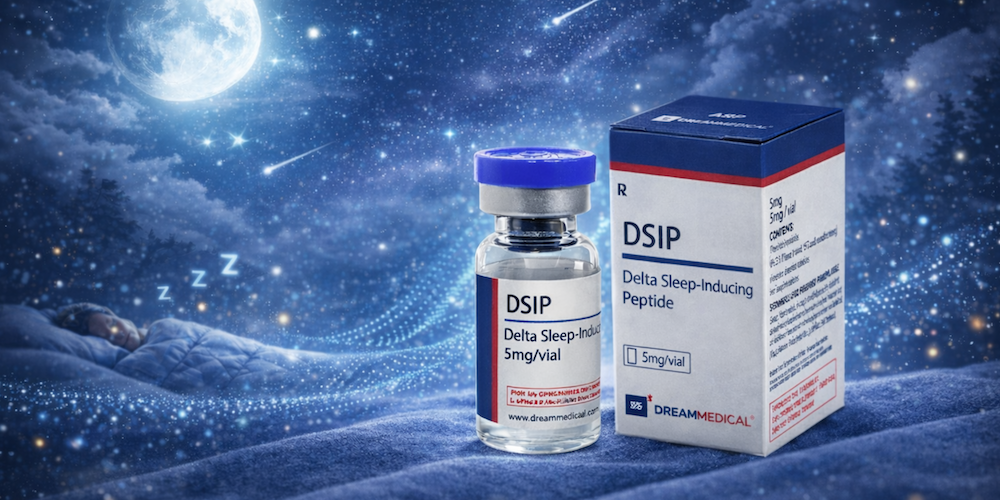
Delta Sleep-Inducing Peptide, commonly known as DSIP, is a naturally occurring neuropeptide associated with deep sleep regulation, stress modulation, and nervous system balance. Originally isolated in the 1970s, DSIP gained attention for its ability to influence slow-wave sleep, the most restorative phase of the sleep cycle. While research is still evolving, DSIP has become popular […]Read More
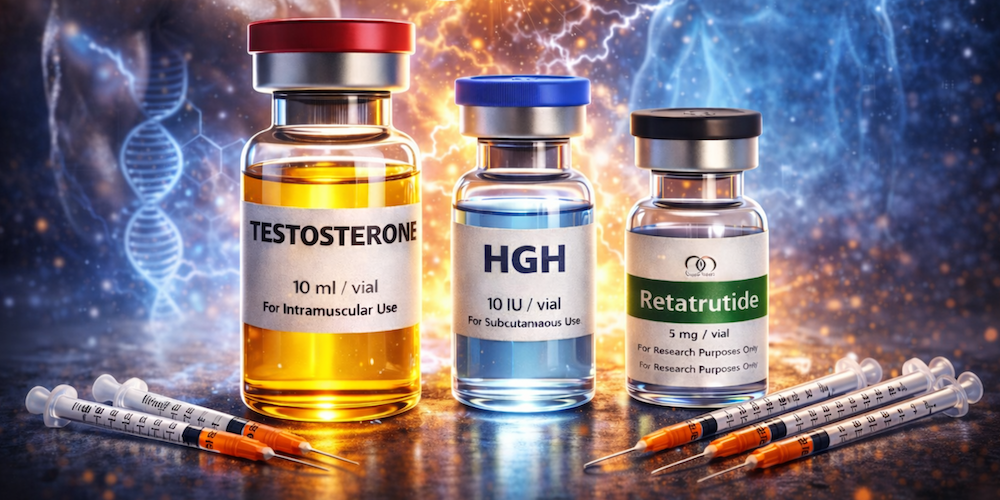
The combination of testosterone, human growth hormone (HGH), and retatrutide represents one of the most effective modern approaches to improving body composition, metabolic health, and long-term performance. Each compound targets a different physiological system, and when used together they create a synergistic environment that promotes muscle retention, fat loss, recovery, and metabolic efficiency. What makes […]Read More
CJC-1295 is one of the most well-known growth hormone releasing peptides, used to naturally elevate growth hormone (GH) and IGF-1 levels without shutting down the body’s hormonal systems the way exogenous GH can. It improves recovery, sleep quality, tissue repair, body composition, and overall vitality. CJC-1295 comes in two forms, with and without DAC, each […]Read More
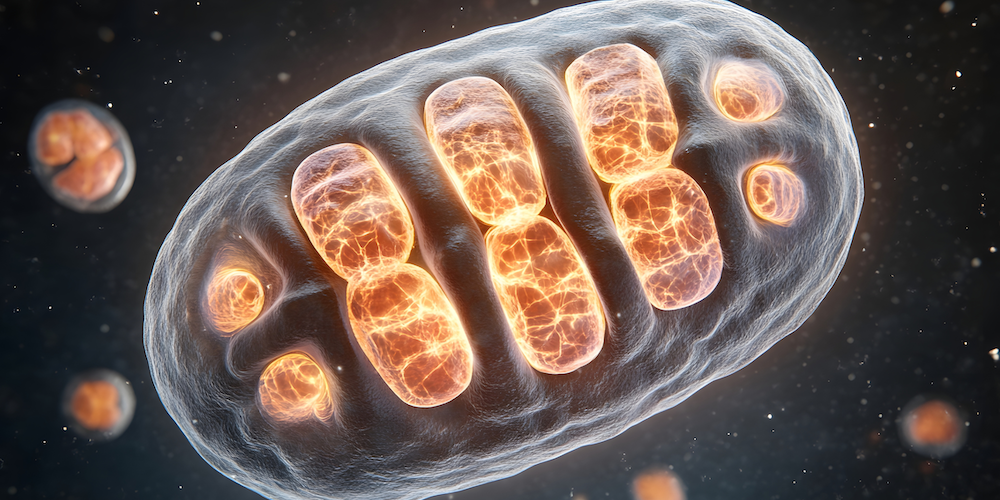
For decades, performance and health discussions revolved around hormones, calories, and training intensity. Today, the focus is shifting deeper, down to the level where energy is actually created. Mitochondria are the structures inside cells responsible for producing ATP, the energy currency that powers muscle contraction, brain function, recovery, immune defense, and fat metabolism. When mitochondria […]Read More
MOTS-c is one of the most promising discoveries in modern peptide science, a naturally occurring mitochondrial peptide that plays a major role in energy regulation, insulin sensitivity, and cellular stress adaptation. Unlike most hormones or peptides produced in the nucleus, MOTS-c is encoded directly within mitochondrial DNA, giving it a unique link to the cell’s […]Read More
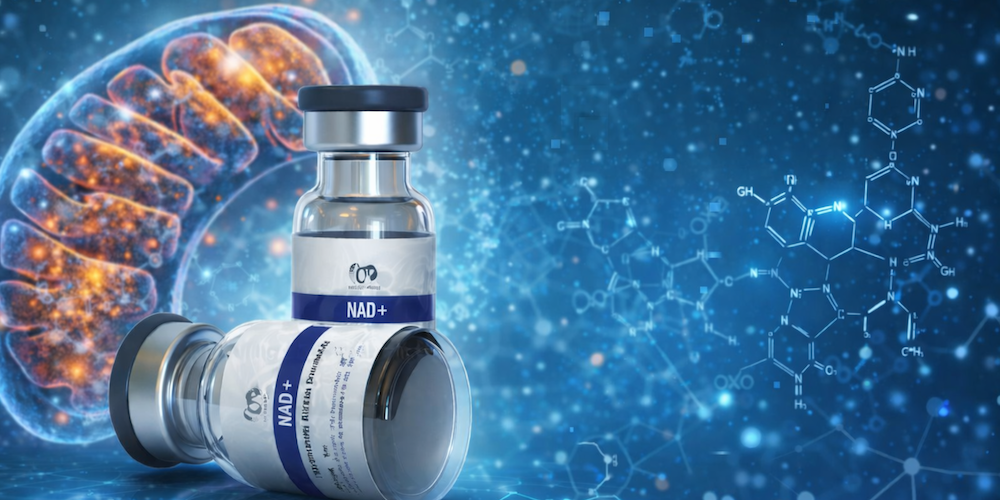
NAD+ (nicotinamide adenine dinucleotide) is a molecule found in every living cell and is absolutely essential for life. It plays a central role in cellular energy production, DNA repair, metabolic regulation, and cell survival. Without adequate NAD+, mitochondria cannot efficiently produce ATP, enzymes involved in repair cannot function properly, and cells begin to age, malfunction, […]Read More
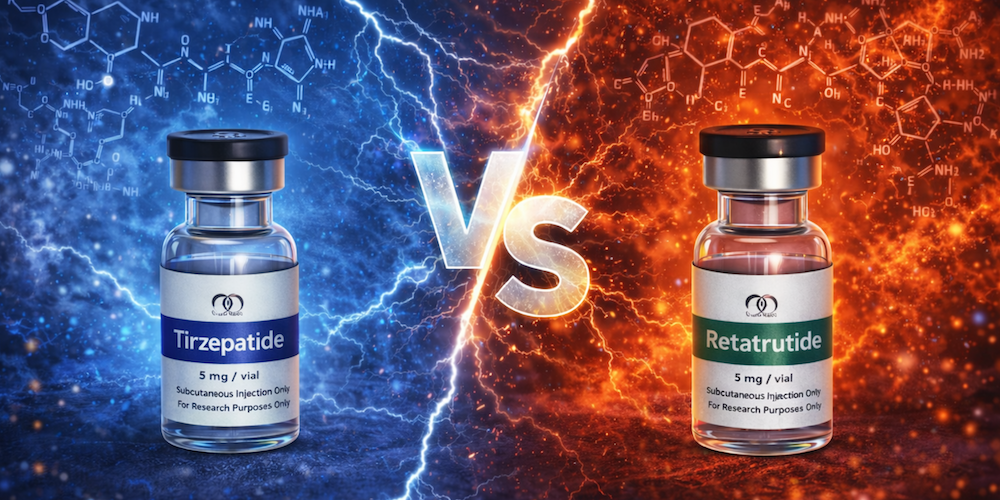
Retatrutide and Tirzepatide represent a major evolution in metabolic pharmacology. Both are synthetic peptide agonists designed to treat obesity and type 2 diabetes by targeting incretin biology, but they differ significantly in receptor profile, metabolic impact, and physiological consequences. Understanding their mechanistic differences is essential for evaluating their effects on fat loss, energy expenditure, glucose […]Read More
Peptides and anabolic steroids are often grouped together in discussions about performance enhancement, but biologically they operate in fundamentally different ways. While both can influence body composition, recovery, and overall performance, their mechanisms, risks, and long-term implications are not the same. Understanding these differences is essential for anyone interested in optimizing physique, recovery, or longevity, […]Read More