
Anabolics and appetite: PEDs and hunger, digestion, and bloating

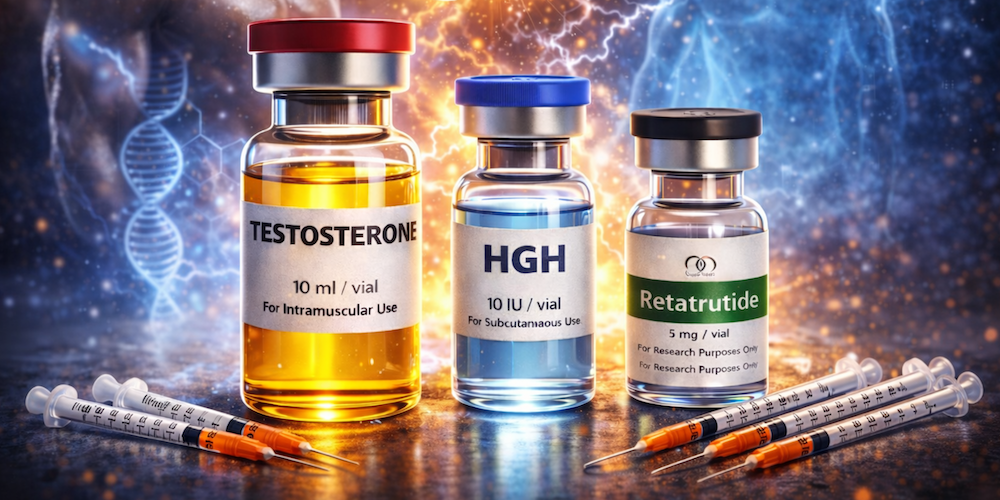
Performance-enhancing drugs (PEDs) are often discussed in terms of muscle growth, strength, and recovery. But one underexplored side effect is how these compounds affect appetite, digestion, and bloating. The relationship between anabolics and the gut isn’t as glamorous as strength gains, but it can make or break progress in both bulking and cutting phases.
How Different PEDs Affect Appetite
Not all PEDs act the same way on hunger. Some have the potential to increase appetite, while others suppress it completely. Here are some popular examples:
- Appetite-boosting PEDs
- Boldenone (Equipoise): dramatically increases hunger; popular in bulking cycles;
- Growth Hormone (GH): alters ghrelin and blood glucose, sometimes stimulating appetite;
- Insulin: drives glucose into cells, lowering blood sugar and triggering hunger.
- Appetite-suppressing PEDs
- Trenbolone: powerful for recomposition, but often suppresses appetite or causes nausea;
- Orals (Anadrol, Dianabol): can irritate the stomach and liver, significantly reducing appetite.
The Negative Impact of PEDs on Digestion
Anabolics influence not just hunger, but how well food is digested and absorbed:
- Androgen receptors in the gut: steroids may alter motility and digestion directly;
- Liver stress from orals: impaired bile production reduces fat digestion and causes discomfort after bigger meals;
- Gut microbiome shifts: some evidence suggests PEDs can change gut bacteria balance.
Another problem which can come from using hormones is bloating, which can ruin aesthetics on stage or create discomfort in training. PEDs may contribute to bloating through multiple mechanisms:
- Estrogenic bloat: aromatizing steroids (e.g., testosterone, Dianabol) can cause massive water retention;
- Progesterone and prolactin: nandrolone and related drugs: digestive sluggishness and water gain;
- Growth hormone gut: long-term GH + insulin: possible organ growth and visceral fat expansion.
How To Prevent Said Problems
There are strategies for managing hunger, digestion, and bloating while using PEDs. Here are some of them:
- Cycle choice: pick compounds aligned with bulk or cut goals;
- Digestive support: enzymes, probiotics, and liver support reduce GI strain;
- Anti-estrogens: aromatase inhibitors help manage estrogen-related water retention;
- Meal composition: smaller, frequent meals aid digestion when appetite is low or bloating is present.
PEDs don’t just transform muscles, they also transform your relationship with food. From feeling hungry all the time to completely losing appetite, from smooth digestion to painful bloating, these effects can determine whether a cycle is productive or miserable, after all if you’re not able to eat, you won’t grow. Athletes who understand and anticipate these gut-related side effects can better align PED use with performance goals while keeping gastrointestinal discomfort and bloating at manageable levels.