
Understanding Myostatin – the muscle growth limiter

Myostatin is a regulatory protein that acts as a brake on muscle growth. It belongs to the TGF-beta family and is produced primarily in muscle cells. Its role is simple but powerful: prevent excessive muscle hypertrophy. When myostatin levels are high, muscle growth is limited. When myostatin is suppressed, muscle growth can accelerate beyond normal physiological limits.
This is why animals and rare humans with myostatin deficiencies exhibit extreme muscularity. The body removes the brake, and growth is no longer tightly controlled.
Why Myostatin Increases During AAS Cycles
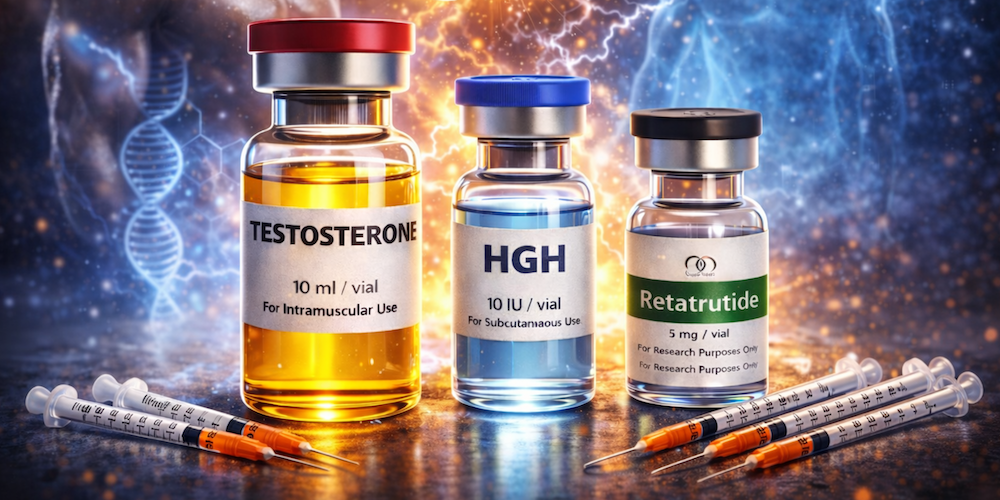
One of the most overlooked aspects of anabolic steroid use is that the body actively tries to counterbalance excessive growth. When anabolic signaling is pushed aggressively through androgens, protein synthesis increases rapidly. In response, the body upregulates myostatin as a protective mechanism.
This creates a ceiling effect. Early in a cycle, gains are rapid because anabolic signaling outpaces inhibitory signaling. Over time, as myostatin expression rises, progress slows despite continued high androgen levels. This is one of the key reasons why muscle gains plateau even when doses increase.
In simple terms, the harder you push growth, the harder the body pushes back.
Why Myostatin Control Matters
Managing myostatin is not about eliminating it completely, which would be unsafe and biologically unstable. It is about reducing its inhibitory effect enough to extend the growth window. By lowering myostatin activity, the body remains in a more anabolic-friendly state for longer, allowing for continued progress instead of early stagnation.
Compounds That Can Inhibit Myostatin
Creatine
Creatine is widely known for improving strength and performance, but it also has a subtle effect on myostatin. Studies have shown that creatine supplementation can reduce myostatin expression while increasing satellite cell activity. While the effect is not extreme, it is consistent and contributes to its ability to support long-term muscle growth.
YK-11
YK-11 is often described as a myostatin inhibitor, but its mechanism is slightly different. It appears to increase follistatin expression, which in turn binds to and inhibits myostatin. This creates a more anabolic environment by reducing myostatin’s activity indirectly. Because of this, YK-11 is often associated with rapid strength and muscle gains, though it comes with the same caution required for potent research compounds.
MOTS-C
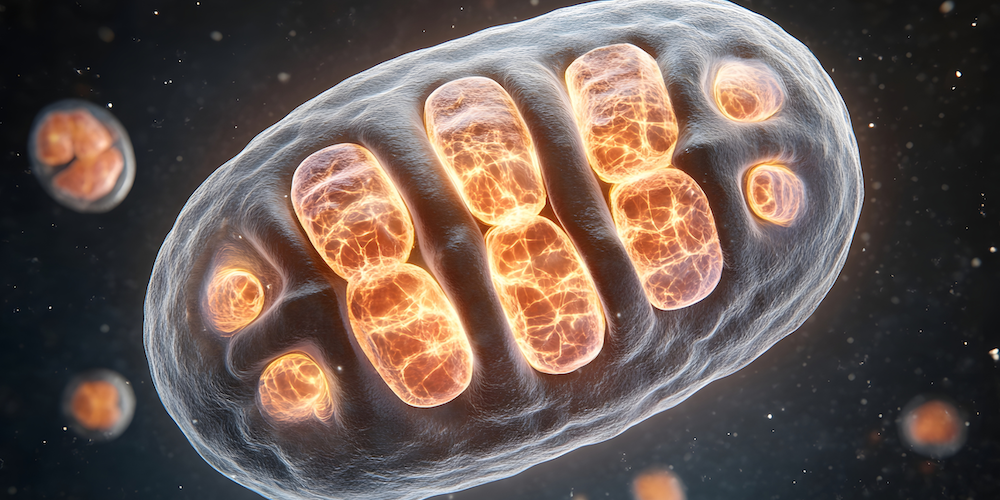
MOTS-C is primarily known as a mitochondrial peptide, but it also influences metabolic pathways that indirectly affect myostatin signaling. By improving insulin sensitivity, mitochondrial efficiency, and cellular energy balance, it helps create an environment where muscle growth is more efficient and less inhibited. While not a direct myostatin blocker, it contributes to reducing the metabolic conditions that promote myostatin expression.
Follistatin-344
Follistatin-344 is one of the most direct and potent myostatin inhibitors available. It binds to myostatin and prevents it from interacting with its receptors. This removes a major growth limitation and can significantly enhance muscle hypertrophy. Because of its potency, it is often considered an advanced compound and should be approached with caution.
ACE-031
ACE-031 is a soluble activin receptor that acts as a decoy receptor for myostatin and related proteins. By binding to these ligands before they reach their actual receptors, it prevents them from exerting their inhibitory effects on muscle growth. This mechanism allows for significant increases in muscle mass, though development of ACE-031 has been limited due to side effect concerns in clinical settings.
The Bigger Picture
Myostatin is one of the main reasons why muscle growth is not linear. It represents the body’s attempt to maintain balance in the face of strong anabolic signals. During aggressive growth phases, especially with enhanced protocols, understanding and managing this pathway becomes increasingly important.
Myostatin is the biological ceiling that limits muscle growth, and it becomes even more relevant when anabolic signaling is pushed to high levels. During AAS use, the body increases myostatin to counteract rapid hypertrophy, which is why gains often slow over time.
Compounds like creatine, YK-11, MOTS-C, Follistatin-344, and ACE-031 each influence this pathway in different ways, from mild modulation to direct inhibition. Understanding how these tools interact with the body’s natural growth-limiting mechanisms allows for a more strategic and informed approach to long-term muscle development.