
Liver health fundamentals for AAS users

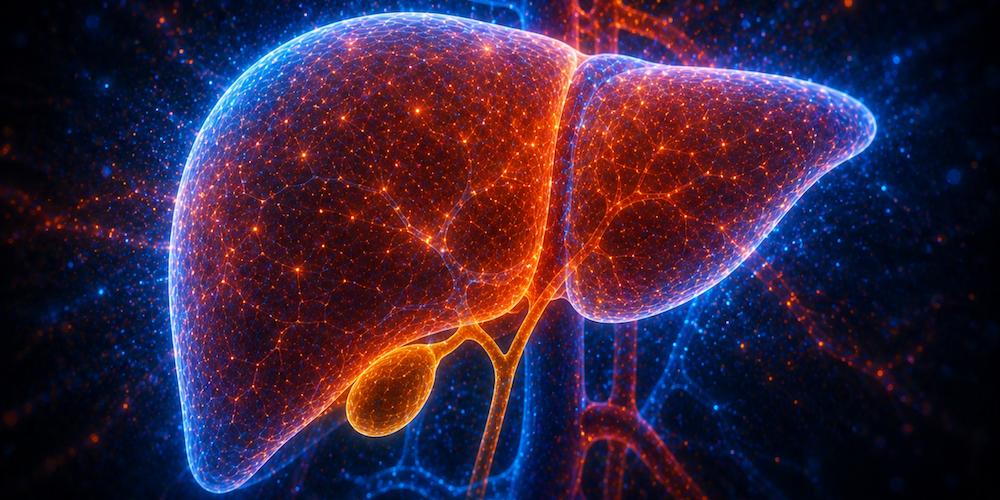
The liver is one of the most important organs in the human body. It plays a central role in detoxification, cholesterol regulation, hormone metabolism, nutrient processing, glycogen storage, and inflammation control. In enhanced bodybuilding, the liver is exposed to unique stressors, particularly from oral compounds, high food intake, inflammation, and rapid changes in body composition.
Unlike muscles or joints, the liver does not usually send warning signs when something is wrong. Significant dysfunction can develop silently, which is why proactive monitoring is essential for anyone using performance-enhancing compounds.
Why Enhanced Bodybuilders Place More Stress on the Liver
Enhanced athletes often expose the liver to multiple layers of stress simultaneously. Oral anabolic compounds, high-calorie diets, alcohol, medications, inflammation from heavy training, and poor blood lipid profiles can all contribute to hepatic strain.
Even bodybuilders who avoid oral compounds are not automatically protected. Rapid bulking phases, poor insulin sensitivity, and excess visceral fat can contribute to non-alcoholic fatty liver disease (NAFLD), which is increasingly common even among muscular individuals.
The liver is not just processing compounds. It is managing a constant metabolic workload.
Oral Compounds and Hepatotoxicity
Most concern around liver health in bodybuilding comes from oral anabolic agents, particularly 17-alpha alkylated compounds. These compounds are chemically modified to survive digestion and remain active after oral administration. While effective, this modification increases liver stress because the compound must repeatedly pass through hepatic metabolism.
Compounds such as Dianabol, Anadrol, Winstrol, Superdrol, Halotestin, and oral Turinabol are known to elevate liver enzymes and increase oxidative stress in liver cells. Superdrol and Halotestin are generally considered among the harshest.
Importantly, elevated liver enzymes do not automatically mean permanent damage, but persistent elevations should never be ignored.
Fatty Liver: The Hidden Problem Nobody Talks About
One of the biggest overlooked threats in bodybuilding is fatty liver disease. Large calorie surpluses, poor insulin sensitivity, high sugar intake, obesity, and certain compounds can cause fat accumulation inside liver tissue.
A fatty liver becomes inflamed, metabolically dysfunctional, and less efficient at regulating hormones and cholesterol. Many enhanced athletes focus only on liver toxicity from oral compounds while completely ignoring metabolic liver stress.
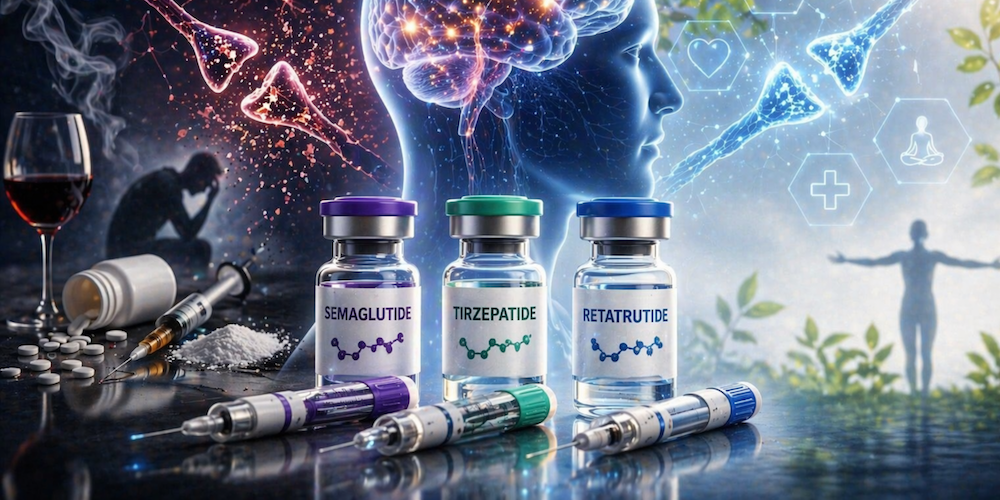
This is where compounds like retatrutide, semaglutide, and lifestyle interventions may offer substantial benefit by improving insulin sensitivity and reducing liver fat accumulation.
Cholesterol and the Liver Connection
The liver is responsible for producing, recycling, and regulating cholesterol. Many anabolic compounds negatively impact HDL and LDL cholesterol, placing additional strain on hepatic metabolism.
Oral compounds are particularly notorious for suppressing HDL cholesterol. Over time, poor lipid management can create a cycle of inflammation, oxidative stress, and impaired liver function.
Supporting liver health also means supporting cardiovascular health.
Blood Markers That Actually Matter
Liver enzymes are important, but context matters. The most useful markers include:
- ALT (Alanine Aminotransferase)
- AST (Aspartate Aminotransferase)
- GGT (Gamma-Glutamyl Transferase)
- Bilirubin
- Alkaline phosphatase (ALP)
AST and ALT elevations can occur from intense training alone because muscle tissue damage can falsely elevate readings. This is why GGT is often one of the most valuable markers for enhanced athletes, as it is more liver-specific and less influenced by training stress.
Persistent enzyme elevations or worsening trends should never be dismissed.
Protecting Liver Health
The most effective liver support starts with moderation and intelligent compound selection. Avoiding excessive oral duration, unnecessary stacking, and prolonged exposure dramatically reduces risk.
Alcohol should be minimized or avoided entirely during periods of oral use. Hydration, insulin sensitivity, and dietary quality also play major roles.
Keeping body fat in check and maintaining good glucose control reduces fatty liver risk substantially.
Supplements and Strategies for Liver Support
Several compounds may support liver function and reduce oxidative stress:
- TUDCA (Tauroursodeoxycholic Acid): One of the strongest evidence-based supports for bile flow and liver protection
- NAC (N-Acetyl Cysteine): Supports glutathione production and antioxidant defense
- Glutathione: The body’s master antioxidant, essential for detoxification
- Milk Thistle: Traditionally used for liver support, though evidence is mixed
- Livagen: A bioregulator peptide aimed at improving liver cell function and repair
These tools help, but they cannot compensate for reckless compound use or poor health habits.
The Importance of Regular Monitoring
Liver health cannot be judged by how you feel. Many athletes with significant elevations feel completely normal. Bloodwork every few months, especially during periods of oral use, is essential for identifying problems before they become serious.
Ultrasounds may also be valuable in individuals with elevated enzymes or suspected fatty liver.
Liver health is about far more than avoiding oral compounds. It is influenced by diet, insulin sensitivity, cholesterol, inflammation, alcohol, and overall metabolic stress. While the liver is remarkably resilient and capable of regeneration, chronic abuse eventually catches up.
For enhanced bodybuilders, protecting liver function means thinking long-term. Intelligent compound selection, proper monitoring, blood pressure and lipid control, and metabolic health all matter. The strongest physiques are built not just through pushing harder, but through preserving the systems that allow progress to continue for years.