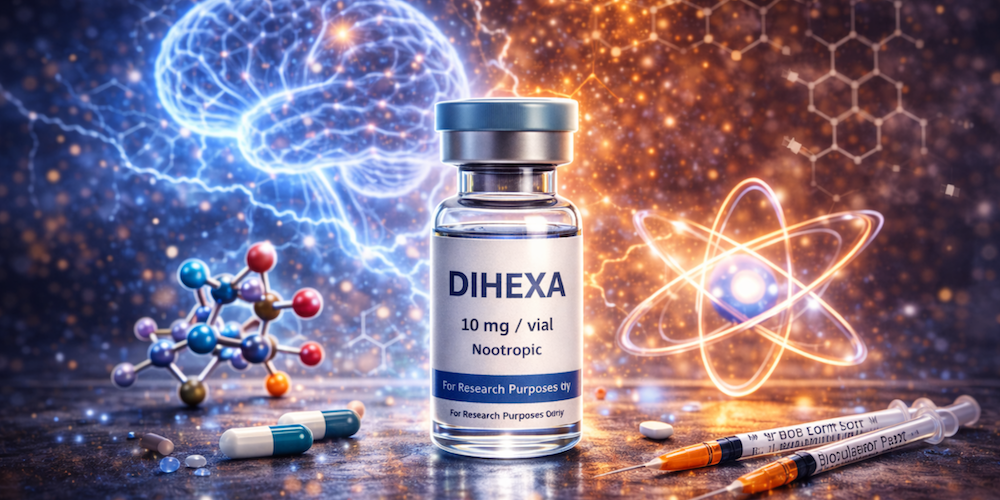
The peptide craze explained

Peptides are short chains of amino acids that act as signaling molecules in the body. Instead of forcing a direct effect, they tell cells what to do. Many peptides already exist naturally and regulate processes like growth hormone release, inflammation, tissue repair, metabolism, immune function, and sleep. When peptides are introduced externally, they aim to restore or enhance these natural signals rather than replace the body’s systems.
How Peptides Differ From Steroids
Steroids are synthetic hormones or hormone derivatives that directly alter androgen levels. They create powerful anabolic effects, but often at the cost of shutting down natural hormone production and placing stress on the cardiovascular system, liver, and endocrine balance. Peptides work very differently. They do not replace hormones or override feedback loops. Instead, they act upstream, encouraging the body to function more efficiently using pathways that already exist. Steroids are blunt tools. Peptides are precise.
Why Peptides Help Bodybuilders
For bodybuilders, peptides offer benefits that go beyond muscle growth. They can improve recovery, accelerate injury healing, protect joints and connective tissue, enhance sleep quality, support fat loss, and reduce systemic inflammation. Many also help preserve long-term health, making it easier to train hard for years instead of burning out quickly. Peptides allow athletes to support performance without constantly escalating hormonal stress.
Why Peptides Help Regular People Too
You do not need to be a bodybuilder to benefit from peptides. Regular people use them to improve sleep, manage chronic pain, heal injuries, support gut health, improve skin quality, regulate metabolism, and strengthen immune function. Because peptides work by improving cellular communication, they are useful for anyone dealing with modern stress, aging, or recovery issues, not just those chasing extreme physiques.
Why Peptides Have Become So Popular
Peptides have grown rapidly in popularity because they are customizable, targeted, and aligned with a broader shift toward health optimization. People are no longer focused solely on size and strength. They want to feel good, age well, recover faster, and stay functional long term. Peptides fit this mindset perfectly. At the same time, research into peptide signaling is accelerating, new compounds are being discovered, and awareness is spreading beyond niche performance circles.
Peptides are not a passing trend. They represent a more intelligent way of working with the body rather than against it. As science continues to uncover how cellular signaling drives health, performance, and aging, peptides will only become more refined, more accessible, and more widely used. The peptide craze is simply the early stage of a long-term shift in how people approach recovery, performance, and longevity.