
Turinabol vs Dianabol: two sides of the same coin

Turinabol (Chlorodehydromethyltestosterone) and Dianabol (Methandrostenolone) are two well-known Testosterone-derived oral anabolic steroids often used in bulking and performance-enhancing cycles. While both compounds offer strength and muscle gains, they differ significantly in their side effect profiles, water retention, and ideal use cases. This comparison will break down their similarities and differences to help users understand which is better suited for their goals.
Origins and Background
Dianabol was introduced in the late 1950s by CIBA Pharmaceuticals and quickly became the first widely used anabolic steroid in bodybuilding. It gained fame for its ability to pack on size and strength rapidly, becoming a foundational compound during the golden era of bodybuilding.
Turinabol was developed in East Germany during the 1960s as part of a state-sponsored doping program. It was designed by modifying the Dianabol molecule to deliver steady anabolic results with fewer estrogenic side effects, and was famously used in Olympic athletes for performance enhancement without detection.
Mechanism of Action
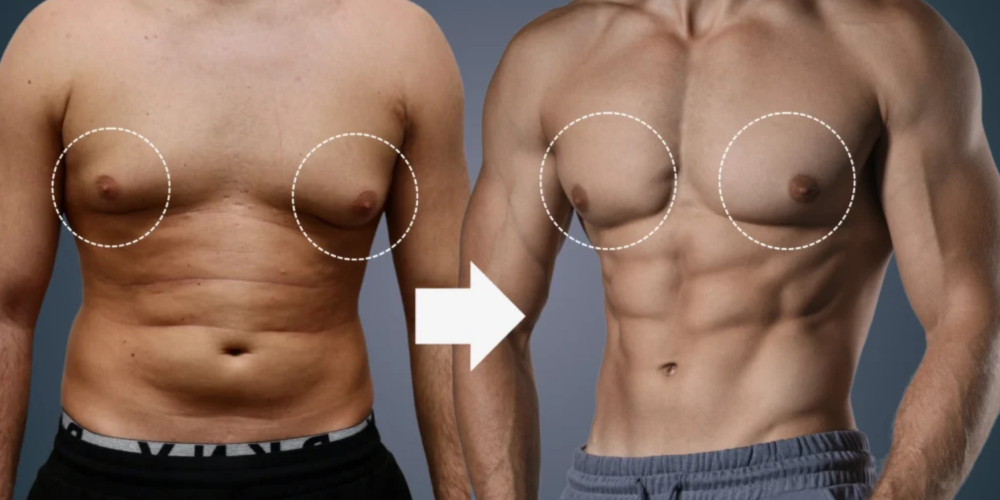
Both Turinabol and Dianabol are derivatives of testosterone and act by increasing protein synthesis, nitrogen retention, and red blood cell production. However, they differ in how they interact with estrogen receptors. Dianabol aromatizes readily into estrogen, leading to water retention and potential gynecomastia. Turinabol, on the other hand, does not aromatize at all, which results in leaner, drier gains but less dramatic size increases.
Benefits Comparison
Dianabol is prized for its ability to produce rapid increases in size, strength, and muscular fullness. It is ideal for short bulking cycles and for athletes looking to push past plateaus quickly. However, much of the weight gained is due to water retention and glycogen storage.
Turinabol offers slower but higher-quality muscle gains. It provides a lean look with no bloating, making it suitable for body recomposition or lean bulking phases. It also improves endurance, athletic performance and recovery without the estrogen-related drawbacks of Dianabol.
It is worth noting that the estrogenic nature of Dianabol also makes it more likely to improve mood and sex drive (if used correctly) than Turinabol, which simply has a neutral effect on these variables.
Drawbacks and Side Effects
Dianabol’s estrogenic activity can lead to significant water retention, high blood pressure, and gynecomastia if not properly managed with an aromatase inhibitor. It is also hepatotoxic and suppresses natural testosterone levels significantly.
Turinabol, while considered milder, is still liver toxic and suppressive of natural testosterone. It can reduce HDL cholesterol and is infamous for causing cramps and lower back pumps, though it is generally better tolerated than Dianabol.
Detailed Feature Comparison
Half-Life
Turinabol has a half-life of approximately 16 hours, while Dianabol’s half-life is about 4–6 hours, requiring more frequent dosing.
Muscle Gains
Dianabol produces rapid, large muscle and strength gains, often accompanied by water retention. Turinabol offers slower but leaner, more maintainable muscle growth.
Strength Increase
Dianabol causes a significant increase in strength in a short period. Turinabol enhances strength moderately over time without excessive water gain.
Fat Loss
Turinabol may aid fat loss slightly due to its dry nature, while Dianabol generally causes water and fat retention unless dieted aggressively.
Water Retention
Dianabol causes noticeable water retention. Turinabol does not retain water, giving a dry, hard appearance.
Androgenic Effects
Dianabol has moderate androgenic activity and can cause oily skin and acne. Turinabol has low androgenic effects and is better tolerated by many users.
Liver Toxicity
Both are hepatotoxic, but Dianabol is generally harsher on the liver. Proper cycle length and liver support are essential.
Estrogenic Effects
Dianabol aromatizes into estrogen. Turinabol does not aromatize, eliminating estrogen-related side effects.
Use in Women
Neither is recommended for women due to risk of virilization, though Turinabol is sometimes used cautiously at very low doses.
Best Use Case
Dianabol is best for fast bulking cycles and powerlifters. Turinabol is ideal for lean gains, athletes, or recomping with minimal side effects.
Which One Should You Use?
Choose Dianabol if you want rapid mass and strength gains in a short time and are prepared to manage estrogenic side effects and water retention. It’s ideal for off-season bulking phases or strength-focused goals.
Choose Turinabol if you want slow, clean gains without bloating or gynecomastia. It’s better suited for beginners, cutting, or lean bulking with minimal side effects.
Turinabol and Dianabol are both effective anabolic steroids, but they serve different purposes. Dianabol is aggressive and powerful but comes with significant estrogenic and androgenic side effects. Turinabol is subtler, providing steady gains and better tolerability. Choosing between the two depends on your goals, experience, and ability to manage the side effects associated with each compound.
References
-
Llewellyn, W. (2009). Anabolics. Molecular Nutrition LLC.
-
Kicman, A. T. (2008). ‘Pharmacology of Anabolic Steroids.’ British Journal of Pharmacology.
-
Hartgens, F., & Kuipers, H. (2004). ‘Effects of Androgenic-Anabolic Steroids in Athletes.’ Sports Medicine.
-
ENHANCEDINFO (2024). The Anabolic Handbook 2nd Edition. Gumroad LLC.