
Prolactin in bodybuilding

Prolactin is one of the most misunderstood hormones in the bodybuilding and enhancement world. While its name is often associated with lactation and female biology, prolactin plays a significant role in male physiology as well, and it can be heavily influenced by certain performance-enhancing drugs (PEDs), especially 19-nor anabolic steroids.
When prolactin levels become elevated, they can cause a cascade of unwanted side effects that impact libido, mood, recovery, and even contribute to gynecomastia. This article explores what prolactin is, how it functions in the male body, why it becomes problematic in enhanced athletes, and what can be done to prevent or manage elevated levels.
What is Prolactin?
Prolactin is a peptide hormone produced by the pituitary gland. Its primary role in women is to stimulate milk production after childbirth. In men, prolactin has a less defined but still important role, it’s involved in regulating sexual satisfaction, immune response, and even influences testosterone levels through feedback on the hypothalamic-pituitary-gonadal (HPG) axis.
Prolactin levels naturally fluctuate throughout the day and can rise transiently after stress, exercise, or orgasm. However, when levels become chronically elevated, especially due to pharmacological influence, it can disrupt hormonal balance significantly.
How & Which PEDs Elevate Prolactin
Not all PEDs raise prolactin, but certain compounds, especially the 19-nor family of steroids, are notorious for their prolactinogenic effects. This includes Nandrolone and its derivatives: Trenbolone and Trestolone.
These compounds don’t directly increase prolactin. Instead, they interact with progesterone receptors and may suppress dopamine, which is the body’s natural prolactin inhibitor. Lower dopamine means less inhibition, resulting in unchecked prolactin elevation. Estrogen can also synergize with progesterone in promoting prolactin secretion, making improper estrogen management a contributing factor.
Other PEDs that can increase prolactin include GH secretagogues like MK-677, GHRP-2, GHRP-6, Hexarelin and others.
Consequences of Elevated Prolactin
Chronic high prolactin can wreak havoc on a bodybuilder’s hormonal environment and quality of life. Common symptoms include:
- Low libido and erectile dysfunction: Prolactin suppresses dopamine, which is vital for arousal and sexual function.
- Emotional blunting and depression: Dopaminergic suppression can lead to reduced motivation, anhedonia, and mood instability.
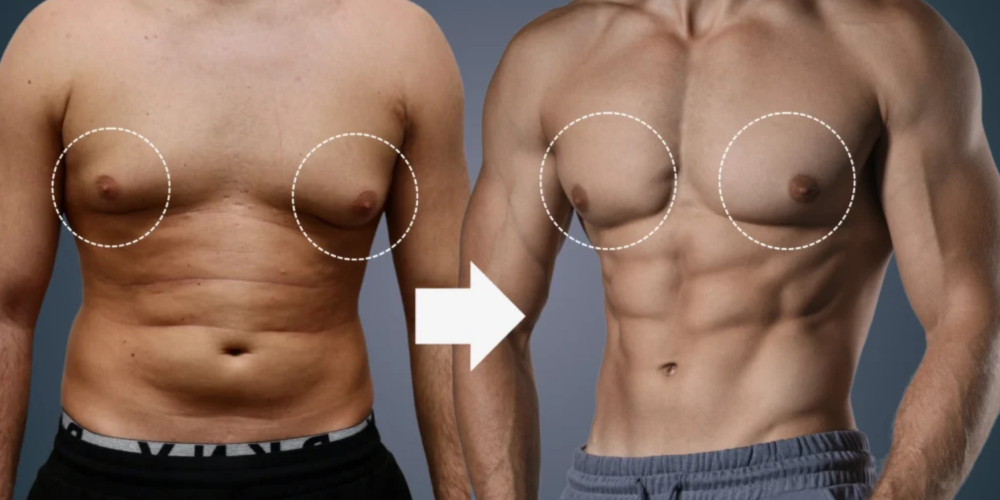
- Lactation and puffy nipples: In extreme cases, elevated prolactin can lead to galactorrhea (nipple discharge) or worsen estrogen-driven gyno.
- Infertility and low testosterone: High prolactin can suppress the HPG axis and reduce natural testosterone production.
- Fatigue and poor recovery: The indirect effects of hormone imbalance often lead to physical and mental burnout.
Prevention and Management Strategies
Managing prolactin involves both proactive and reactive strategies:
- Choose compounds wisely: Avoid stacking multiple 19-nors and/or GH secretagogues, or using them for excessively long periods of time.
- Monitor estrogen: Keep E2 in check, as high estrogen can indirectly promote prolactin issues.
- Use dopamine agonists when needed: Cabergoline (at 0.25mg twice a week) is the most effective medication for lowering prolactin. It mimics dopamine and suppresses prolactin at the pituitary level. Pramipexole (at 0.125mg every other day) is another option, though it has a different side effect profile.
- Use P5P: P5P is the most bioavailable and active form of Vitamin B6. It has been shown to reduce prolactin levels at doses of 100 to 200mg a day.
- Lifestyle management: Sleep deprivation, frequent masturbation, chronic stress, and depression can increase prolactin. Supporting dopamine production through proper sleep, nutrition, and stress reduction is critical.
- Bloodwork: Regularly check prolactin and estrogen levels during and after cycles, especially when using nandrolone or trenbolone.
Prolactin may not get as much attention as testosterone or estrogen in the bodybuilding community, but its impact is profound. Unchecked prolactin elevation can derail performance, destroy libido, and lead to serious long-term consequences.
Fortunately, with the right education, compound selection, and bloodwork-driven intervention, prolactin can be kept in check, allowing enhanced athletes to get the benefits of PEDs without the hormonal backlash.