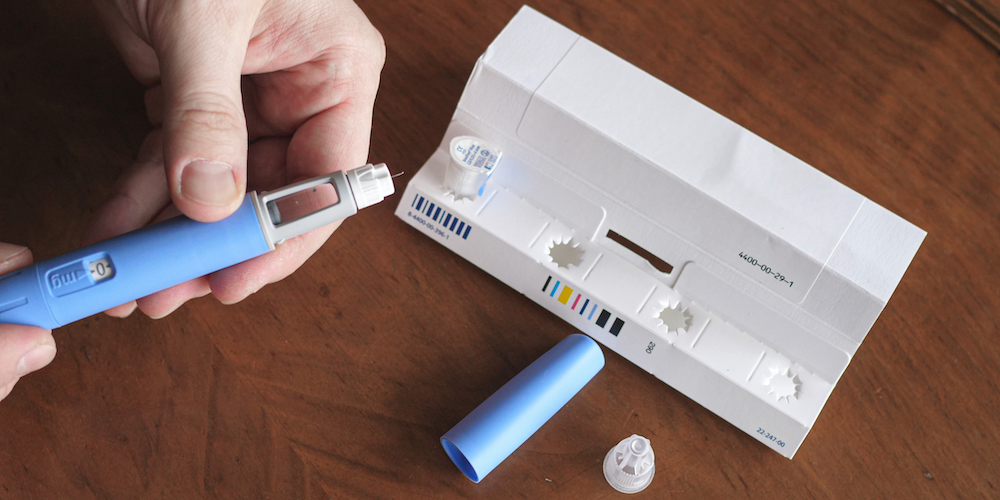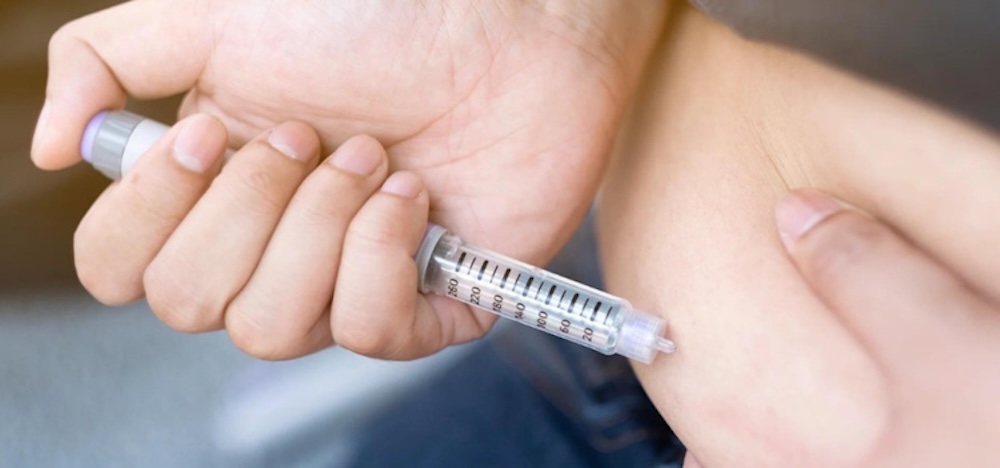
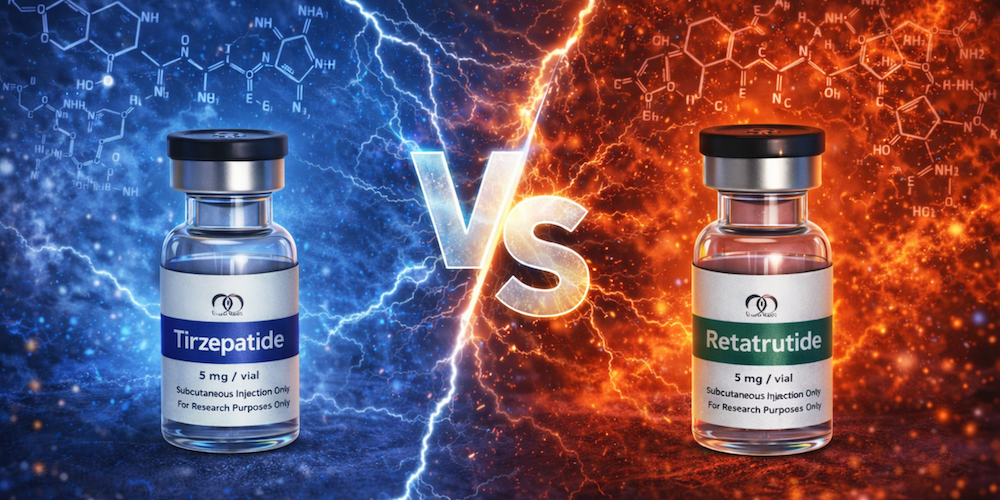
Retatrutide and Tirzepatide represent a major evolution in metabolic pharmacology. Both are synthetic peptide agonists designed to treat obesity and type 2 diabetes by targeting incretin biology, but they differ significantly in receptor profile, metabolic impact, and physiological consequences. Understanding their mechanistic differences is essential for evaluating their effects on fat loss, energy expenditure, glucose […]Read More
Tags : Weight Loss
Before semaglutide, tirzepatide, and retatrutide took the world by storm, there was Liraglutide, the first GLP-1 receptor agonist to demonstrate that manipulating incretin hormones could dramatically improve weight loss, glucose control, and metabolic function. Marketed under the brand names Victoza and Saxenda, liraglutide paved the way for the next generation of GLP-based drugs that are […]Read More
Bioregulator peptides are a unique class of short peptides designed to normalize gene expression and restore tissue-specific function. Unlike traditional peptides that stimulate receptors or hormones, bioregulators work at the genetic and cellular level, entering the nucleus of cells and influencing how DNA is read and expressed. They are typically composed of 2–4 amino acids, […]Read More
Pharmaceuticals once reserved for treating chronic diseases are increasingly finding their way into fitness conversations. With the likes of bodybuilders such as Nick Walker openly talking about using it in his current prep, the latest compound attracting attention is retatrutide, an experimental drug developed for obesity and type 2 diabetes management. While it’s not yet […]Read More
GLP-1 receptor agonists, once known only as diabetes medications, have transformed into some of the most effective drugs for obesity and metabolic health. Compounds like Semaglutide, Tirzepatide, and the newer triple agonist Retatrutide have shown unmatched benefits in fat loss, insulin sensitivity, and cardiovascular protection. Emerging evidence now suggests that these drugs may also carry […]Read More
Melanotan-2 is a synthetic peptide known for its ability to dramatically enhance skin pigmentation by increasing melanin production. Originally developed to provide a safer alternative to excessive UV exposure, Melanotan-2 helps users achieve a deep, even tan with minimal time in the sun. Beyond pigmentation, the peptide is also known for its unexpected secondary effects […]Read More
BPC-157 and TB-500 are two of the most well-known healing peptides used in the realms of injury recovery, regenerative medicine, and enhanced athletic performance. Though both promote healing and tissue regeneration, they operate via different mechanisms and offer distinct benefits. This article compares the origins, mechanisms, and practical applications of BPC-157 and TB-500 to help […]Read More
Cardarine, also known as GW-501516, is a peroxisome proliferator-activated receptor delta (PPAR-δ) agonist initially developed to treat metabolic and cardiovascular diseases. Over time, it gained immense popularity in the fitness and bodybuilding communities for its ability to enhance endurance, improve fat metabolism, and aid in achieving a lean, defined physique. Mechanism of action: PPAR-δ Activation […]Read More
MK-677, also known as Ibutamoren, is a powerful oral growth hormone secretagogue that is often grouped together with SARMs and other research chemicals. Unlike SARMs (Selective Androgen Receptor Modulators), MK-677 works by stimulating the release of growth hormone (GH) and insulin-like growth factor-1 (IGF-1), making it a popular choice among bodybuilders and athletes aiming to […]Read More
A glucometer is a small medical device that measures the concentration of glucose in your blood. Chances are you’ve seen someone in your family use it, because it’s a must-have for diabetics (and let’s face it, we all have a diabetic person in our extended family). Why must enhanced bodybuilders use it? Firstly, a glucometer […]Read More