
An introduction to Bioregulator peptides

Bioregulator peptides are a unique class of short peptides designed to normalize gene expression and restore tissue-specific function. Unlike traditional peptides that stimulate receptors or hormones, bioregulators work at the genetic and cellular level, entering the nucleus of cells and influencing how DNA is read and expressed.
They are typically composed of 2–4 amino acids, making them significantly smaller than most signaling peptides. This small size allows them to penetrate cells easily and interact directly with chromatin, the structure that organizes DNA. Their primary role is not to overstimulate the body, but to restore balance, repair dysfunction, and bring aging or stressed tissues back toward a youthful state.
How Bioregulators Differ From Traditional Peptides
Most peptides used in performance or biohacking act through receptor signaling. For example, some stimulate growth hormone release, others reduce inflammation, and others improve metabolism. These effects are often short-term and dependent on continued use.
Bioregulator peptides operate differently. They influence gene transcription, meaning they can help cells resume proper protein production and function even after the peptide is no longer present. This gives them a more restorative and potentially long-lasting effect, rather than a purely stimulatory one.
Why Bioregulators Are Gaining Attention
As the focus of optimization shifts from short-term performance to long-term health and longevity, bioregulators have become increasingly relevant. Aging is largely a process of declining cellular communication and gene expression errors. Bioregulators aim to correct this at the source.
They are especially appealing because they are:
- Non-hormonal
- Highly tissue-specific
- Well tolerated with minimal side effects
- Designed to restore function rather than override it
This makes them suitable not just for athletes, but for anyone interested in preserving organ health, hormonal balance, and longevity.
These are 3 of the most interesting bioregulators currently available:
Livagen: Liver Function and Detoxification
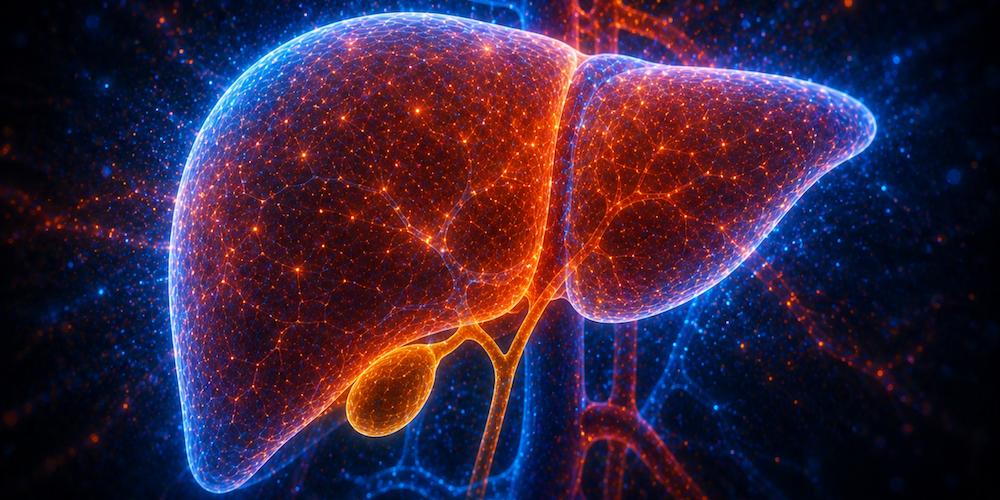
Livagen is a bioregulator peptide derived from liver tissue. It is designed to support hepatocyte function, detoxification pathways, and metabolic regulation.
The liver is central to hormone metabolism, toxin clearance, and nutrient processing. Chronic stress, poor diet, alcohol use, and certain compounds can impair liver function over time. Livagen works by normalizing gene expression in liver cells, helping restore proper enzymatic activity and improving the liver’s ability to process toxins and regulate metabolism.
Users often incorporate Livagen in protocols aimed at:
- Supporting liver health
- Improving detoxification capacity
- Enhancing metabolic efficiency
- Protecting against long-term stress on hepatic function
Testagen: Hormonal Regulation and Male Endocrine Support
Testagen is a bioregulator peptide targeting the testes and male reproductive system. Its primary role is to support natural testosterone production and spermatogenesis by improving cellular function within testicular tissue.
Unlike testosterone replacement or stimulatory drugs, Testagen does not force hormone production. Instead, it helps restore the cellular environment necessary for proper endocrine function. This makes it particularly useful in cases of age-related decline, chronic suppression, or suboptimal hormonal output.
Potential applications include:
- Supporting natural testosterone production
- Improving fertility and sperm quality
- Restoring endocrine balance after stress or suppression
- Maintaining long-term testicular health
Ovagen: Female Hormonal Health and Ovarian Function
Ovagen is the female counterpart to Testagen, designed to support ovarian function and hormonal balance. It acts on ovarian tissue to help normalize gene expression involved in hormone production and reproductive health.
As women age or experience hormonal dysregulation, ovarian signaling becomes less efficient. Ovagen aims to restore proper function at the cellular level, supporting estrogen balance, reproductive health, and overall endocrine stability.
Common use cases include:
- Supporting ovarian function
- Improving hormonal balance
- Addressing age-related hormonal decline
- Enhancing reproductive health
The Bigger Picture: Restoration Over Stimulation
The key principle behind bioregulator peptides is restoration rather than stimulation. Instead of forcing the body into a high-performance state, they help tissues function the way they were originally designed to.
This approach aligns with the broader shift toward longevity-focused optimization, where the goal is not just to perform better today, but to maintain high function over decades.
Bioregulator peptides represent a deeper, more refined level of biological optimization. By targeting gene expression directly, they offer a way to restore organ function, support hormonal balance, and slow the effects of aging at their root.
Compounds like Livagen, Testagen, and Ovagen highlight how this approach can be applied to key systems in the body, from liver health to endocrine function. As research continues and awareness grows, bioregulators are likely to become a central pillar in advanced health, performance, and longevity protocols.