
Hyperplasia – the secret to achieving serious mass

Hyperplasia refers to an increase in the number of muscle fibers, not just their size. This is different from hypertrophy, which is the enlargement of existing fibers. Most lifters build muscle primarily through hypertrophy, making fibers thicker and stronger. Hyperplasia, on the other hand, expands the total number of fibers, effectively increasing the muscle’s growth ceiling.
In simple terms, hypertrophy makes a house bigger. Hyperplasia builds more houses.
Why Hyperplasia Matters for Extreme Size
There is a natural limit to how large a single muscle fiber can grow. At some point, further hypertrophy becomes inefficient due to structural, vascular, and metabolic constraints. This is where hyperplasia becomes critical.
To reach true “mass monster” size, simply enlarging existing fibers is not enough. The body needs to create new fibers or split existing ones, allowing for additional growth capacity. This is why elite-level physiques look fundamentally different, not just bigger, but denser, rounder, and more “layered.”
Hyperplasia increases the number of growth units available, which allows continued hypertrophy on top of a larger base.
Can Hyperplasia Actually Occur in Humans?
This has been debated for years. While hypertrophy is the dominant mechanism in humans, there is growing evidence from animal studies and indirect human data that fiber splitting and satellite cell–driven fiber formation can occur under extreme conditions.
These conditions typically involve:
- Very high mechanical tension
- Chronic overload
- Elevated anabolic signaling
- Enhanced recovery capacity
This is why hyperplasia is rarely seen in natural training alone but becomes more plausible in enhanced environments.
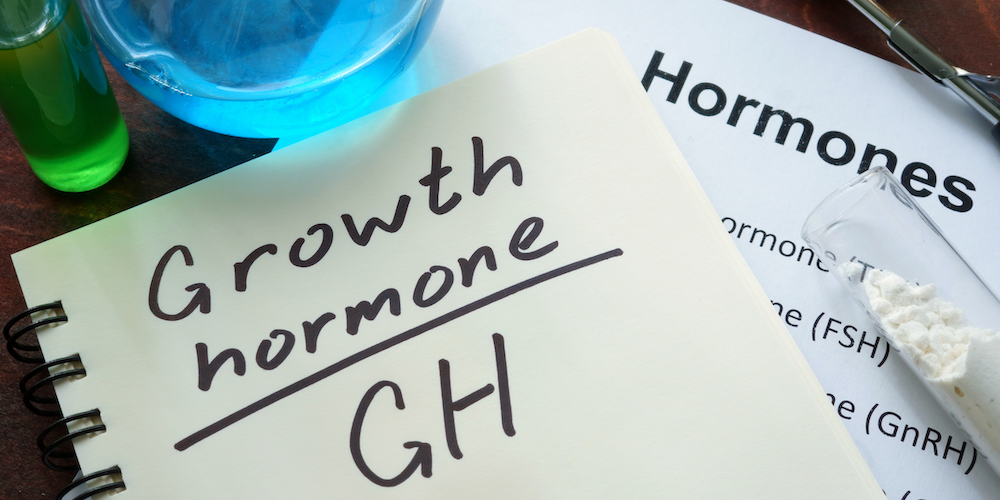
The Role of Growth Hormone (HGH)
Growth hormone plays a central role in creating the conditions necessary for hyperplasia. It stimulates the release of IGF-1, both systemically and locally within muscle tissue. IGF-1 activates satellite cells, which are precursor cells involved in muscle repair and growth.
When activated, satellite cells can:
- Fuse with existing fibers to support hypertrophy
- Potentially contribute to the formation of new fibers or fiber splitting
HGH also improves connective tissue strength, increases nutrient delivery, and enhances recovery. This allows the body to tolerate the kind of training stress required to push beyond hypertrophy alone.
The Role of Insulin
Insulin is one of the most anabolic hormones in the body when used strategically. It enhances nutrient uptake into muscle cells, particularly glucose and amino acids, which are essential for growth and recovery.
In the context of hyperplasia, insulin supports:
- Increased cellular hydration and volumization
- Enhanced nutrient delivery to muscle tissue
- Improved recovery between high-stress training sessions
More importantly, insulin works synergistically with IGF-1. Together, they create a highly anabolic environment where muscle cells are not only growing, but also receiving the signals and resources needed to expand structurally.
The Synergy Between HGH and Insulin
The combination of HGH and insulin is what makes hyperplasia more plausible. HGH drives IGF-1 production and satellite cell activation. Insulin ensures that nutrients are efficiently delivered and utilized during this process.
This synergy creates:
- A constant anabolic signal
- High nutrient availability
- Accelerated recovery
- Increased training capacity
Under these conditions, the body is exposed to chronic overload with sufficient recovery, which is one of the key requirements for triggering fiber splitting and potential hyperplasia.
Why Training Still Matters
Even with optimal hormonal conditions, hyperplasia does not occur without the right stimulus. High-intensity training, heavy loading, and progressive overload are still required to create the mechanical stress that drives adaptation.
The difference is that with enhanced recovery and anabolic support, the body can sustain higher levels of stress for longer periods, increasing the likelihood of deeper structural adaptations.
Hyperplasia represents the expansion of muscle fiber number, a process that may be necessary to reach the extreme levels of muscularity seen in top-tier physiques. While hypertrophy builds size within existing fibers, hyperplasia increases the total capacity for growth.
Through the combined effects of HGH and insulin, the body can enter a state where satellite cell activation, nutrient delivery, and recovery are optimized. This creates the environment needed to push beyond traditional growth limits and move closer to true “mass monster” development.