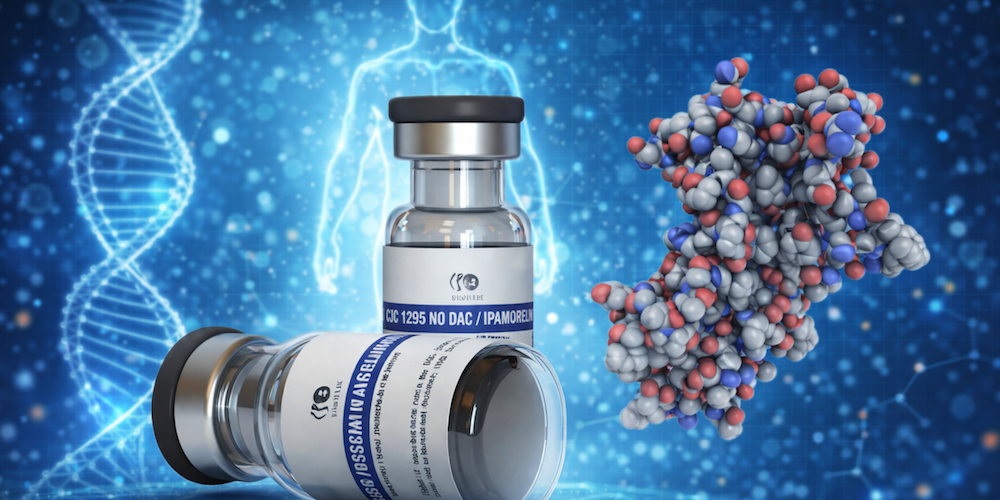
The CJC-1295 and Ipamorelin stack is widely regarded as the most effective and physiologically aligned way to increase natural growth hormone output without using exogenous GH. By combining two peptides that act on different parts of the growth hormone axis, this stack amplifies GH release while preserving the body’s normal feedback mechanisms. For athletes, biohackers, […]Read More
Tags : Peptides
Melanotan-2 is a synthetic peptide known for its ability to dramatically enhance skin pigmentation by increasing melanin production. Originally developed to provide a safer alternative to excessive UV exposure, Melanotan-2 helps users achieve a deep, even tan with minimal time in the sun. Beyond pigmentation, the peptide is also known for its unexpected secondary effects […]Read More
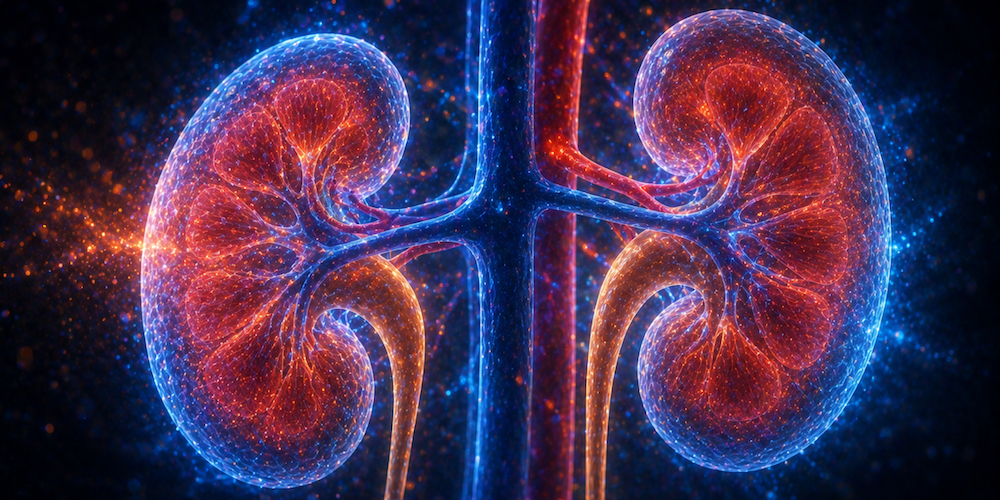
The kidneys are responsible for filtering waste products, regulating blood pressure, balancing electrolytes, and maintaining fluid balance. In enhanced bodybuilding, they are exposed to far more stress than most people realize. High bodyweight, elevated blood pressure, excessive food intake, dehydration, intense training, and certain compounds can all place significant strain on renal function over time. […]Read More
Hyperplasia refers to an increase in the number of muscle fibers, not just their size. This is different from hypertrophy, which is the enlargement of existing fibers. Most lifters build muscle primarily through hypertrophy, making fibers thicker and stronger. Hyperplasia, on the other hand, expands the total number of fibers, effectively increasing the muscle’s growth […]Read More
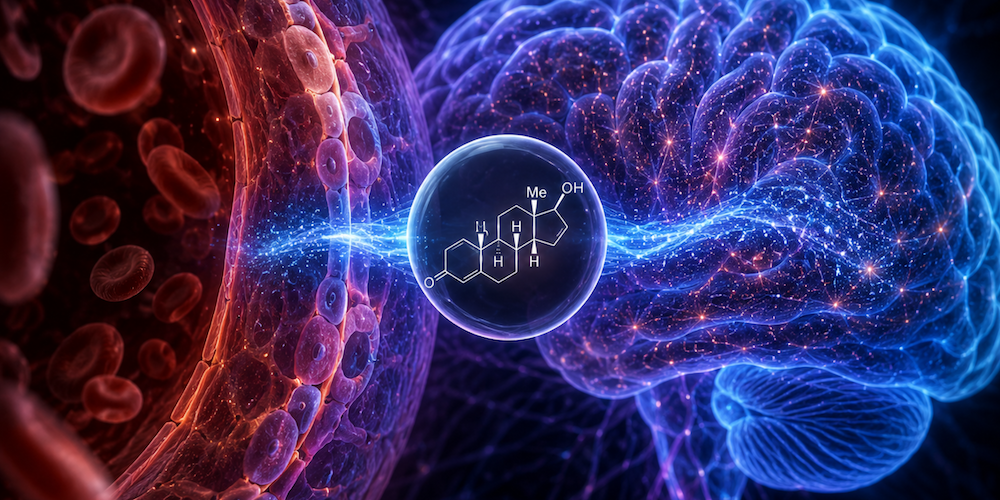
Trenbolone is one of the most powerful anabolic-androgenic steroids used in bodybuilding, but it also has one of the most concerning neurological profiles. While most discussions focus on its effects on strength, fat loss, aggression, sleep, and blood pressure, the brain may be one of the most important areas affected by trenbolone. Unlike many other […]Read More
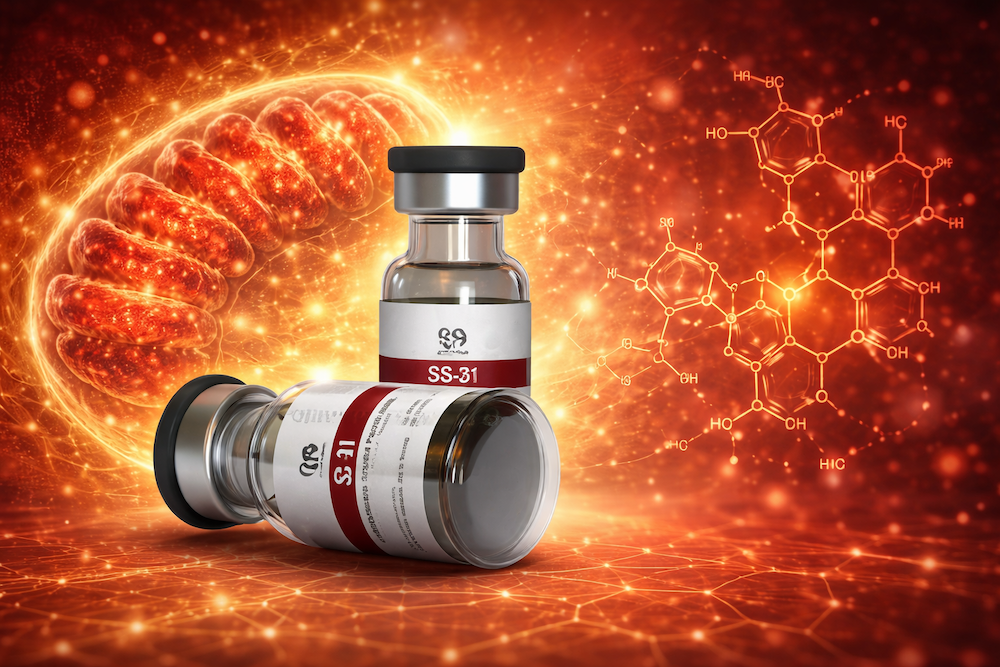
SS-31, also known as Elamipretide, is a mitochondria-targeted peptide designed to protect and restore mitochondrial function at its most critical point. Unlike peptides that influence hormones or signaling upstream, SS-31 acts directly inside the mitochondria, the structures responsible for producing cellular energy. It was originally developed for serious medical conditions involving mitochondrial dysfunction, including heart […]Read More
GHK-Cu is one of the most remarkable bioactive peptides ever discovered, a naturally occurring copper complex found in human plasma, saliva, and urine that plays a major role in tissue repair, collagen synthesis, and overall cellular regeneration. Originally identified in the 1970s, it has since gained recognition in both medical and cosmetic fields for its […]Read More
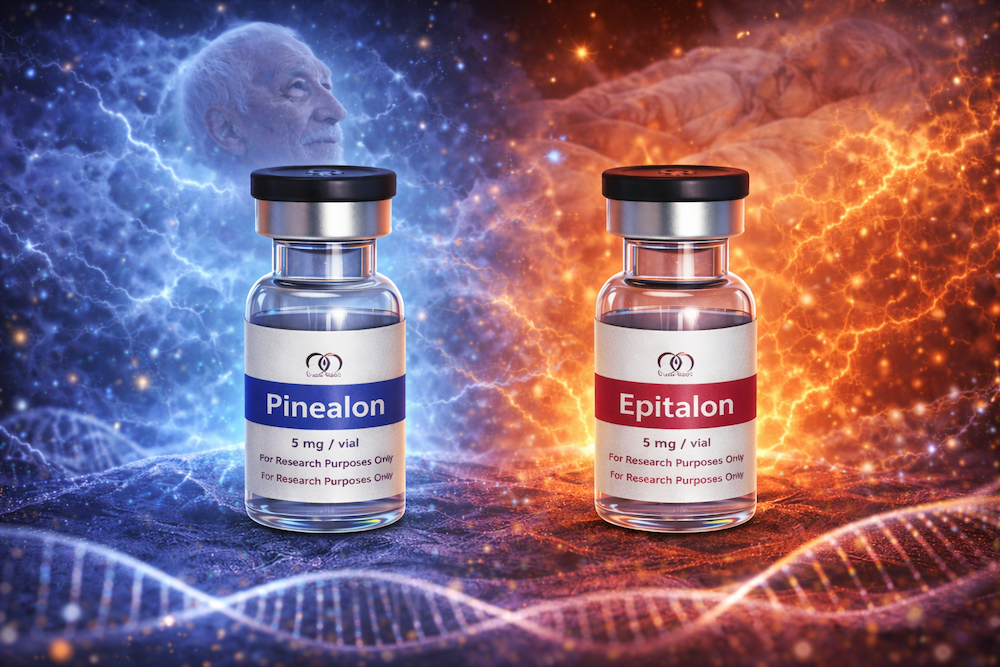
Epitalon and Pinealon are bioregulatory peptides derived from pineal gland research, designed to support healthy aging, circadian rhythm regulation, and neural preservation. While they share a common origin in peptide bioregulation science, their primary mechanisms and applications differ. Understanding those differences allows for more strategic use in longevity, cognitive optimization, and systemic recovery protocols. What […]Read More
BPC-157 and TB-500 are two of the most well-known healing peptides used in the realms of injury recovery, regenerative medicine, and enhanced athletic performance. Though both promote healing and tissue regeneration, they operate via different mechanisms and offer distinct benefits. This article compares the origins, mechanisms, and practical applications of BPC-157 and TB-500 to help […]Read More
INTRO / BACKGROUND I’m Shawn and I’m in my 40s. I’ve been into fitness, sports and exercise my whole life. My dad got me in the weight room at about sixth grade. He would wake me up at four in the morning and take me down to the high school football team weights training […]Read More