
Glenn Koslowski

Glenn Koslowski is a well known coach that has worked with many world class athletes and celebrities when they need to peak for a sports event, movie or photo shoot. With over 15 years of experience in nutrition and training, he always brings his clients to their best shapes and highest athletic abilities in the shortest possible time.

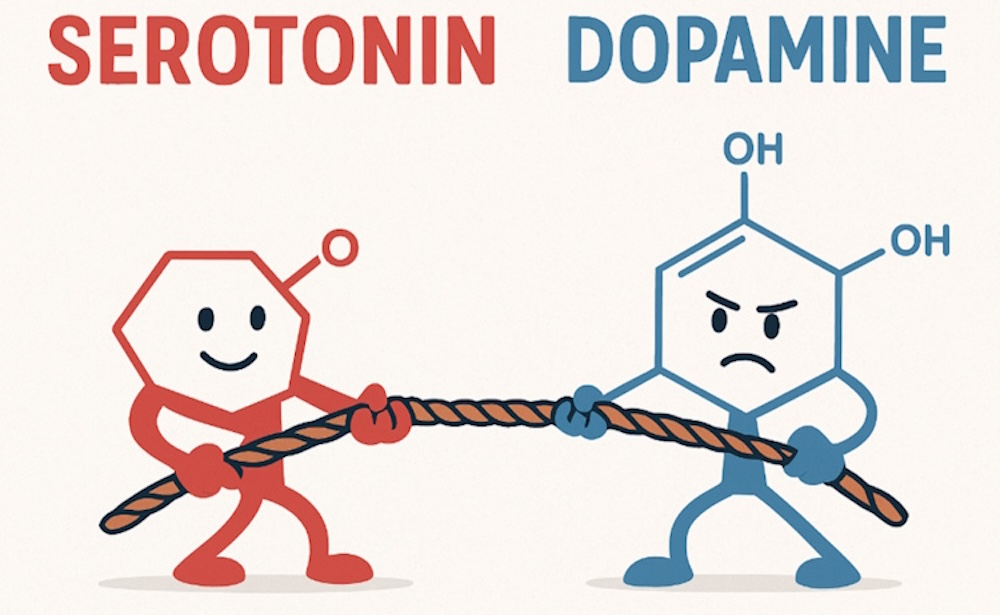
Training as therapy: gym and dopamine

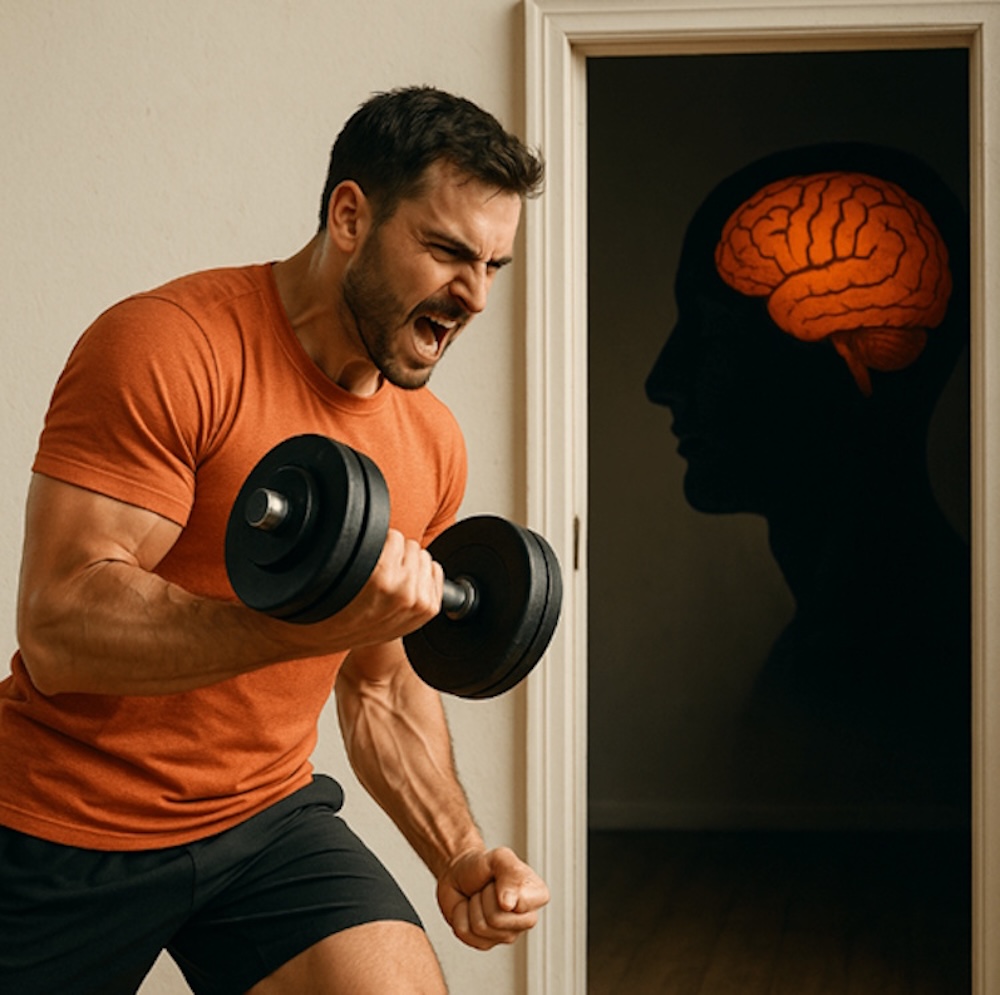
For a lot of lifters, training isn’t just about building muscle, it’s also about staying mentally healthy. The weights become therapy, the structure and discipline become routine, and the post-lift dopamine hit is the closest thing to peace. But somewhere along the line, what starts as medicine can quietly turn into dependency, not on drugs, […]Read More

Taurine: the amino acid behind hydration, pump and CNS control

Enter any supplement section and you’ll see taurine listed on energy drinks, pre-workouts, post-workouts, hydration mixes, pretty much everything. But almost nobody understands what taurine actually does, or why enhanced athletes, heavy stimulants users, and high-volume trainers typically end up deficient in it without even realizing it. What Taurine Really Does First of all, taurine […]Read More

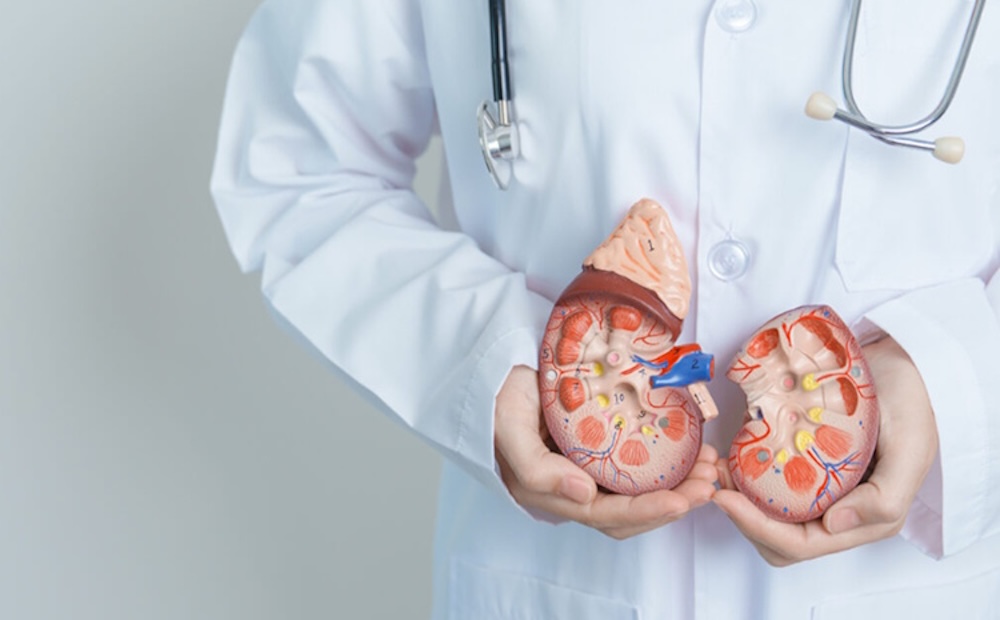
Hematocrit and hypertension: the silent killers

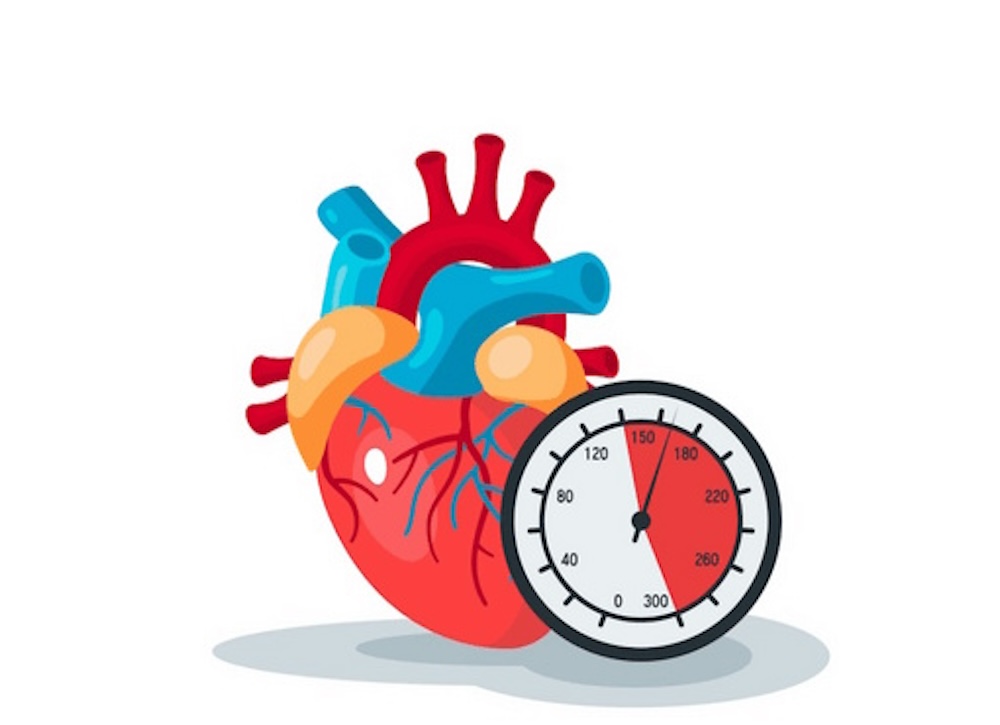
When lifters think about PED risks, they usually picture going bald, high liver enzymes, testosterone shutdown, or maybe gynecomastia. But the two biggest threats when taking steroids are far less obvious: hematocrit and hypertension. Left unchecked, they can quietly sabotage health and cut both careers and lives short, even for people who otherwise “feel fine.” […]Read More

The real limiting factor in muscle growth: Appetite

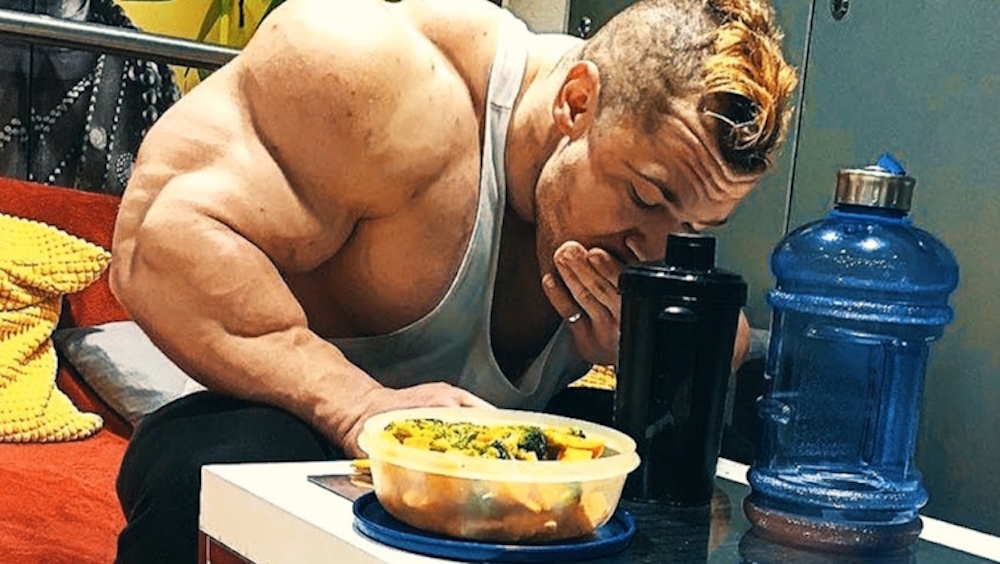
Most people assume muscle growth is limited by training volume and intensity, recovery, or drug use: if progress slows, the standard solution is usually to try to train harder, add more volume, or add something to the stack. But for many lifters (especially bigger individuals) the real bottleneck becomes far less exciting: food and appetite. […]Read More

When Testosterone becomes the problem

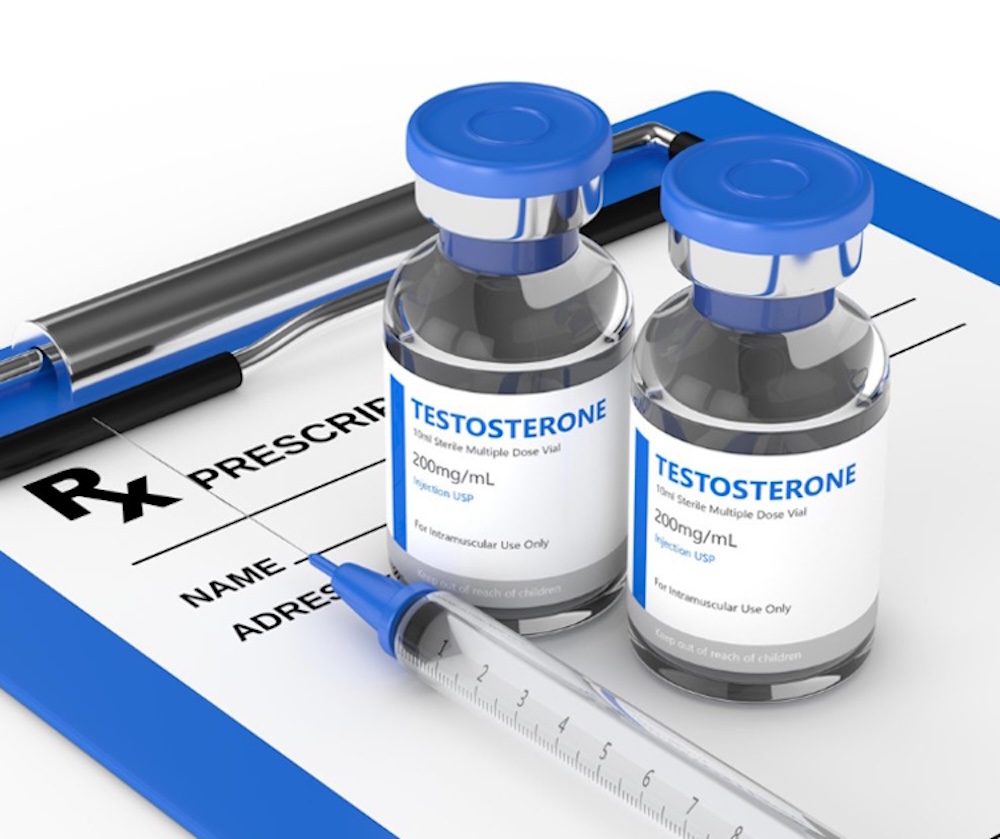
Testosterone is generally treated as the safest variable in performance enhancement. If a cycle feels off, people blame everything except the test: estrogen, prolactin, sleep, stress, diet, training volume and the list goes on. The assumption is very simple: testosterone is the foundation, so increasing it won’t be an issue and will only bring more […]Read More

7 reasons why recovering gets harder as you get bigger

In bodybuilding, size is usually treated as an indicative of everything: strength, experience, discipline, even resilience. The assumption is simply “if someone is bigger, they must recover better. After all, they’ve built more muscle, tolerated more training, and adapted to higher workloads”. In practice, though, the opposite is often the case. As lifters get bigger, […]Read More

How to actually recover your CNS with PEDs and other compounds

In the world of performance enhancement, most attention goes to what boosts output: more reps, more weight, more drive. But training is only half the equation. Recovery, especially central nervous system (CNS) recovery, is where adaptation truly happens. When your CNS is fried, your motivation and performance drops, sleep suffers, coordination lags, and no amount […]Read More

The orals dilemma: fast gains, big risks

Oral steroids are tempting. They’re fast-acting, easy to take, can be used pre-workout to significantly increase training performance and boost your ego in the gym, and their effects are apparent within hours or days. From Dianabol’s instant pump to Anavar’s cosmetics, orals offer a “shortcut” to serious gains. But behind the rapid results lies a […]Read More

Why your daily step counter matters more than you think

Most enhanced lifters treat cardio as optional. If you’re not prepping for a show or cutting aggressively, it gets minimized or removed altogether. After all, you lift heavy, you eat strategically, you manage hormones, why would walking more do you any good? As a matter of fact, walking more means needing to eat more to […]Read More