
SS-31 – the mitochondrial peptide

SS-31, also known as Elamipretide, is a mitochondria-targeted peptide designed to protect and restore mitochondrial function at its most critical point. Unlike peptides that influence hormones or signaling upstream, SS-31 acts directly inside the mitochondria, the structures responsible for producing cellular energy. It was originally developed for serious medical conditions involving mitochondrial dysfunction, including heart failure and age-related degeneration, but has since gained attention in biohacking, longevity, and performance circles for its profound effects on cellular energy and resilience.
How SS-31 Works at the Cellular Level
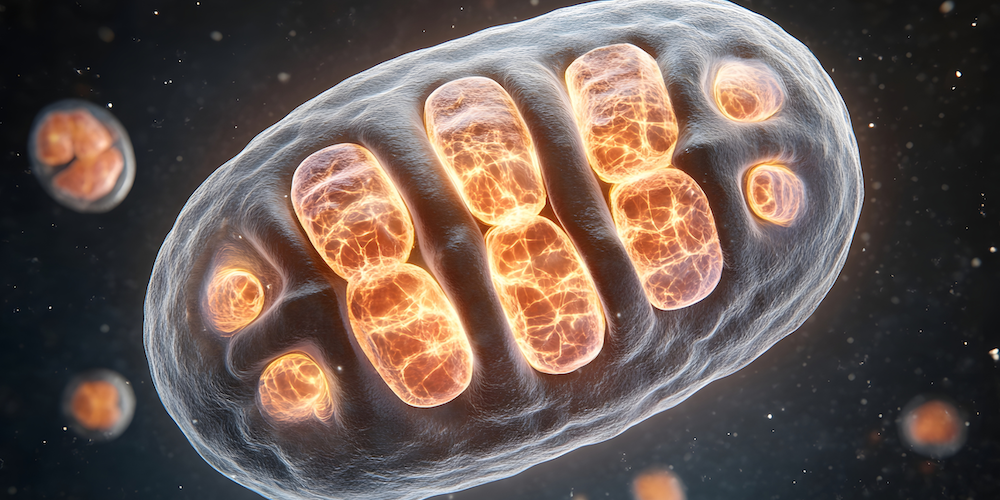
SS-31 selectively binds to cardiolipin, a unique phospholipid found in the inner mitochondrial membrane. Cardiolipin plays a crucial role in maintaining the structure and efficiency of the electron transport chain, where ATP is produced. When cardiolipin becomes damaged by oxidative stress, mitochondrial energy production becomes inefficient and unstable.
By binding to and stabilizing cardiolipin, SS-31 restores the integrity of the electron transport chain. This leads to more efficient ATP production, reduced electron leakage, and lower generation of reactive oxygen species. In simple terms, SS-31 helps mitochondria produce more energy while causing less damage in the process.
Why Mitochondrial Damage Drives Fatigue and Aging
Mitochondrial dysfunction is one of the primary drivers of fatigue, poor recovery, metabolic slowdown, and aging. As mitochondria become damaged, cells produce less energy and generate more oxidative stress, creating a vicious cycle of declining function. This affects high-energy tissues first, including muscle, brain, heart, and nervous system.
SS-31 interrupts this cycle by repairing mitochondrial efficiency rather than stimulating output.
Benefits for Energy and Cognitive Function
Because the brain relies heavily on mitochondrial energy, SS-31 often produces noticeable improvements in mental clarity, focus, and resistance to cognitive fatigue. Users commonly report reduced brain fog, improved concentration, and better stress tolerance. These effects stem from improved neuronal energy availability and reduced oxidative stress in brain tissue.
Unlike stimulants, SS-31 does not increase nervous system drive. The energy it provides feels stable and sustainable rather than sharp or jittery.
Benefits for Bodybuilding and Physical Recovery
For athletes and bodybuilders, SS-31 supports recovery at the cellular level. Training places heavy stress on mitochondria, especially during high-volume or high-intensity phases. SS-31 improves mitochondrial efficiency in muscle cells, allowing faster recovery between sessions, improved endurance, and greater resistance to overtraining.
It is particularly useful during calorie deficits, contest preparation, or periods of accumulated fatigue where energy production becomes a limiting factor. SS-31 does not directly increase muscle mass, but it creates the metabolic conditions that allow training adaptations to occur more efficiently.
Anti-Aging and Longevity Applications
Aging is closely tied to cumulative mitochondrial damage. SS-31 addresses one of the core mechanisms of aging by preserving mitochondrial structure and reducing oxidative stress. In research settings, it has been shown to improve mitochondrial function in aging tissues, support cardiovascular health, and enhance cellular resilience.
Rather than acting as a cosmetic anti-aging tool, SS-31 targets the root of age-related decline. Improved energy, recovery, and metabolic stability are downstream effects of healthier mitochondria.
How SS-31 Fits Into Advanced Protocols
SS-31 is often used alongside other mitochondrial and regenerative compounds. It pairs well with NAD+ strategies, MOTS-c, or lifestyle interventions such as fasting and aerobic training that stimulate mitochondrial biogenesis. While those approaches increase mitochondrial quantity or signaling, SS-31 improves mitochondrial quality. This combination addresses both sides of mitochondrial health.
Safety and Tolerability
SS-31 has been studied extensively in clinical settings and has a strong safety profile. It is non-hormonal, non-stimulatory, and does not suppress natural systems. Side effects are uncommon and typically mild, most often limited to injection-site irritation. Because it works through structural mitochondrial repair rather than signaling manipulation, it is suitable for long-term use in health-focused protocols.
Limitations and Expectations
SS-31 is not an instant energy booster in the way caffeine or stimulants are. Its benefits accumulate as mitochondrial function improves over time. Individuals with significant fatigue, metabolic stress, or age-related decline tend to notice the most profound effects. Those expecting dramatic short-term changes may underestimate its value, while those focused on deep cellular optimization often consider it one of the most important peptides available.
SS-31 is a uniquely powerful peptide that targets energy production at its source. By repairing mitochondrial structure, improving ATP efficiency, and reducing oxidative stress, it enhances energy, recovery, cognitive performance, and long-term resilience. In an era where true optimization means restoring function rather than forcing output, SS-31 stands out as one of the most advanced tools for performance, longevity, and cellular health.